

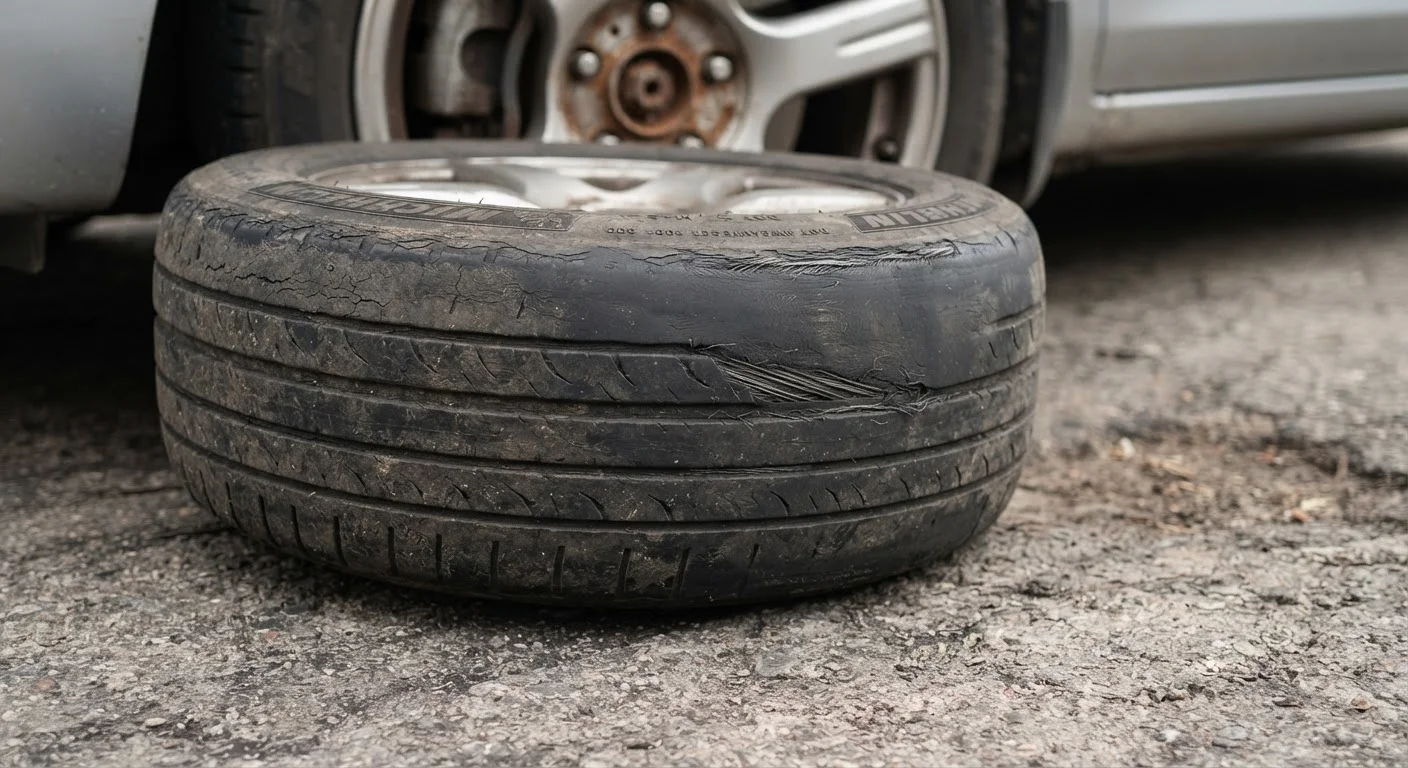
Why Tires Don't Always Wear Evenly
A tire rolling along a flat road under ideal conditions would wear uniformly across its entire contact patch. In practice, that rarely happens. Pressure fluctuations, wheel misalignment, and suspension wear all change how load is distributed — and the tread records every one of those stresses over time.
Understanding what each pattern means turns a routine tire inspection into a diagnostic tool. You don't need mechanical training to recognize the main patterns; you just need to know what to look for. Tread depth basics and how to measure them are a helpful starting point before examining wear patterns.
Wear Patterns and Used Car Inspections
If you're considering buying a used vehicle, always inspect the tires carefully before agreeing to a purchase. Uneven wear on a used car can indicate longstanding alignment neglect, suspension damage, or chronic pressure mismanagement — issues that may carry real repair costs. A pre-purchase inspection by an independent mechanic is always worth the cost.
The Four Main Wear Patterns and Their Causes
Center Wear
If the center strip of the tread is noticeably more worn than both edges, the tire has been overinflated. An overinflated tire bulges in the middle, so only that central band contacts the road fully. Checking and correcting tire pressure is the immediate fix.
Edge Wear (Both Sides)
When both outer edges wear faster than the center, the tire has been chronically underinflated. Low pressure causes the tire to flatten out, shifting more contact and friction to the shoulders. This pattern is very common and entirely preventable with regular pressure checks.
One-Sided Wear
Wear concentrated on just one edge — inside or outside — almost always points to a wheel alignment problem. The wheel is angled rather than sitting perfectly vertical, so one edge bears a disproportionate share of the load. Alignment should be checked and corrected by a mechanic. Left unaddressed, this pattern accelerates tire wear significantly and can affect steering feel.
~25%
Vehicles found with at least one underinflated tire
According to the U.S. National Highway Traffic Safety Administration (NHTSA), roughly one in four vehicles on the road has at least one significantly underinflated tire at any given time.
1 in 11
Crash-involved vehicles with tire-related issues
NHTSA data has indicated that tire problems — including worn or underinflated tires — are a contributing factor in a meaningful share of crash-involved vehicles.
Cupping or Scalloping
Cupping appears as a series of dips or scooped-out patches around the circumference of the tire. It typically means a shock absorber or strut is worn and allowing the wheel to bounce rather than track smoothly. This pattern often produces a noticeable rumbling or vibrating sensation while driving. Suspension components involved should be inspected promptly.
Patchy or Flat-Spot Wear
Irregular flat spots that don't follow a consistent pattern can result from hard braking, a tire that sat stationary for a long period, or an out-of-balance wheel. A balanced tire spreads rotational forces evenly; an unbalanced one causes vibration that accelerates wear in specific spots.
Balancing, rotation, and alignment are three distinct services — understanding each one helps you know which service to ask for when a particular wear pattern appears.
Make Tire Checks Part of a Regular Walk-Around
Before a long drive or once a month, take sixty seconds to walk around the car and visually scan each tire's outer surface. Look for any edge that appears more worn than the rest, any flat spots, or any scooping. Catching a pattern early — before it becomes severe — gives you time to address the cause before it affects safety or requires early tire replacement.
What to Do When You Spot Uneven Wear
The first step is always to correct the most likely cause. For pressure-related patterns, inflate or deflate to the manufacturer's recommended level (found on the sticker inside the driver's door jamb, not on the tire sidewall). For alignment or suspension-related patterns, have a qualified mechanic inspect the vehicle before driving long distances.
Once the root cause is fixed, ask your mechanic whether the affected tire can continue in safe service or needs replacement. Tire age is a separate safety factor worth reviewing alongside any wear concerns.
If you're evaluating a used vehicle, tire wear patterns can reveal a great deal about how the car was maintained. Our guide to reading tire condition on used cars explains how to interpret what you find. And if you'd like to understand the numbers and codes molded into the tire itself, see Reading Your Tires: Sidewall Numbers and Codes Explained.
Frequently Asked Questions
Wear concentrated on the inside edge usually indicates the wheel is tilted inward at the top — a condition called negative camber. This is most often caused by a wheel alignment issue or worn suspension components. A qualified mechanic should inspect the alignment and suspension to correct it.
A quick visual check every two to four weeks is a practical habit. Look for uneven wear across the width of each tire, any flat spots, or signs of scalloping. Checking pressure at the same time takes only a few extra minutes.
It depends on the severity. Mild uneven wear warrants a prompt inspection by a mechanic; severe or dangerous wear should be addressed before continued driving. Uneven wear reduces grip, increases stopping distance, and can make handling unpredictable.
Rotation helps distribute wear more evenly over time, but it does not fix the root cause. If pressure, alignment, or suspension are responsible for the wear, those issues must be corrected first. See our <a href="/auto-maintenance-basics/tires-and-brakes/tyre-rotation-balancing-and-alignment-three-separate-services-explained">guide to rotation, balancing, and alignment</a> for more detail.
Yes. Uneven tread reduces traction, especially in wet or slippery conditions, and can affect steering stability. For any driver — including seniors who may rely on a vehicle for medical appointments or essential errands — maintaining safe tires is a direct safety priority.
The content on this site is for informational purposes only and is not a substitute for professional advice. Always consult a qualified professional for guidance specific to your situation.