

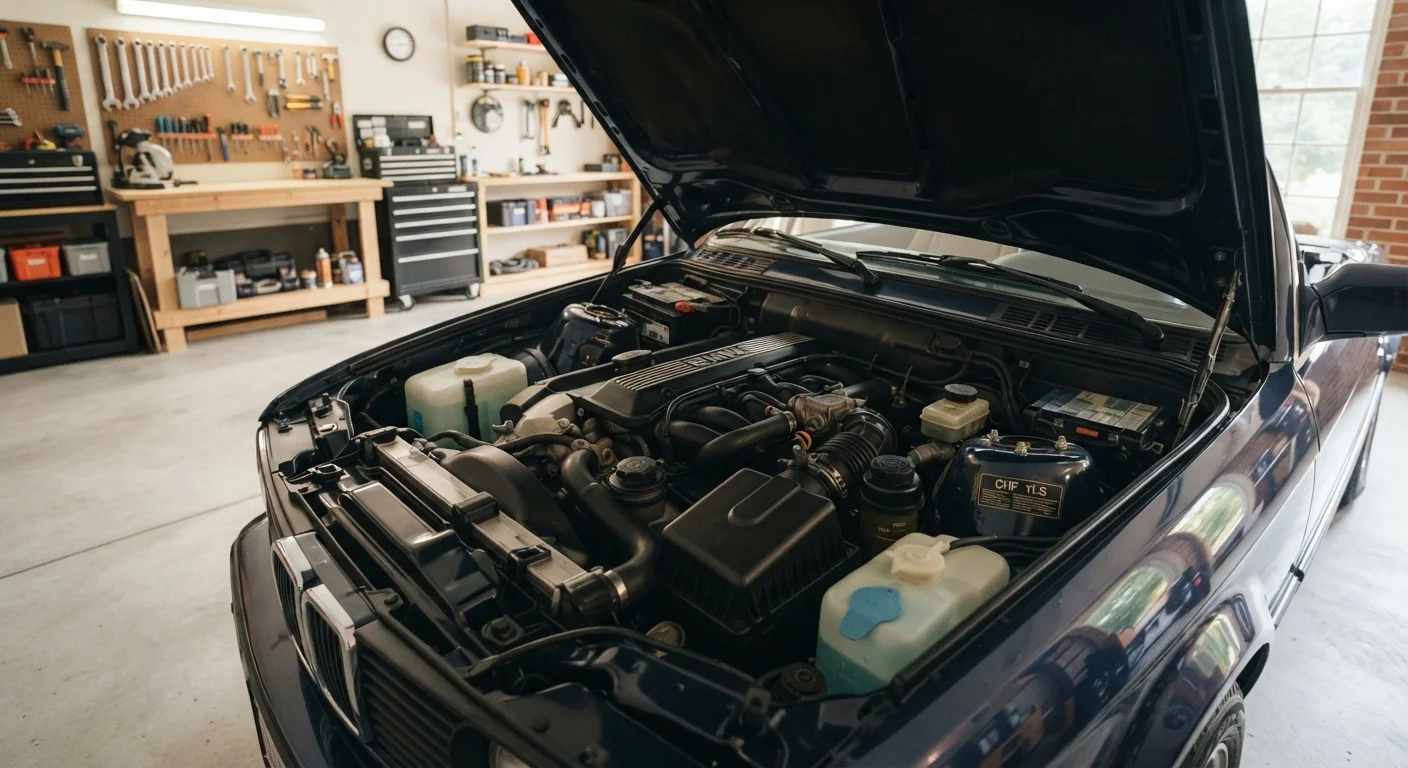
Why a Routine Makes All the Difference
Most car problems don't appear without warning — they build slowly through neglect. Fluids break down, filters clog, and small issues grow into expensive repairs. The good news is that a simple, consistent maintenance routine can head off the majority of these problems before they start.
You don't need mechanical expertise to stay ahead of fluid and filter maintenance. What you need is a structured habit and a basic understanding of what to look for. Think of it the same way you'd think about routine health checkups: preventive care costs far less — in time and money — than reactive treatment.
For a plain-language overview of every major fluid in your vehicle, see our simple fluid reference guide. It explains what each fluid looks like, where to find it, and why it matters.
Follow your owner's manual for every fluid and filter interval — not generic advice.
Manufacturers set maintenance intervals based on extensive testing of your specific engine and drivetrain. Generic rules of thumb — like changing oil every 3,000 miles — are often outdated and can lead you to service your car too frequently or not frequently enough. Your manual is the most accurate guide available.
Check engine oil level and condition monthly, before driving.
Engine oil lubricates hundreds of moving parts and degrades with heat, contamination, and time. Low oil or oil that has turned very dark can cause significant engine wear quickly. Checking while the engine is cold and the car is on level ground gives you the most accurate reading.
Inspect coolant level and color at every seasonal change.
Coolant (antifreeze) prevents your engine from overheating in summer and freezing in winter. Over time it becomes acidic and loses effectiveness, which can corrode internal engine components. Catching low or degraded coolant early is far cheaper than repairing a damaged cooling system.
Replace cabin and engine air filters on schedule to protect air quality and engine efficiency.
A clogged engine air filter restricts airflow to the engine, reducing fuel efficiency and performance. A clogged cabin air filter circulates dust, pollen, and pollutants into the car interior — a meaningful concern for drivers with respiratory sensitivities. Both are low-cost, straightforward replacements.
Record every check and service in a written or digital log.
A maintenance log removes guesswork about what's been done and when. It also helps mechanics diagnose problems more efficiently, and can support a car's resale value by demonstrating consistent upkeep. The format doesn't need to be complex — a dated notebook entry or a simple spreadsheet works well.
Quick Actions You Can Take This Week
Getting started is often the hardest part. These actions require no tools and take less than 15 minutes combined. Once you've done them once, they'll feel routine.
Once you've established a checking habit, consider pairing it with a written log. Our guide on keeping a vehicle maintenance log explains how tracking your checks — even informally — makes the whole routine more effective.
Staying Consistent Through the Year
A maintenance routine only works if it actually happens. The most common reason drivers fall behind isn't laziness — it's the absence of a trigger. Tying your checks to recognizable events, such as the change of a season or a monthly date on the calendar, makes the habit stick.
Tie Checks to a Calendar Anchor
Choose a reliable trigger for each check — for example, the first of every month for oil, and the start of each season for coolant and filters. Pairing maintenance with something you already do (like a monthly bill payment) makes it far easier to remember. Consistency matters more than perfection.
Temperature changes deserve special attention. Cold weather thickens some fluids and stresses others; hot weather accelerates fluid breakdown. Our article on seasonal fluid checks walks through what to look for at each time of year.
Also be aware of the fluids and filters that tend to get overlooked. Transmission fluid, brake fluid, and cabin air filters rarely make informal checklists — until something goes wrong. See the fluids and filters drivers forget for a closer look at these commonly missed items.
~40%
Engine failures linked to poor lubrication
Industry maintenance data consistently identifies inadequate lubrication — often from neglected oil changes — as a leading cause of premature engine failure.
2x
Cost difference: prevention vs. repair
Automotive maintenance professionals widely estimate that routine preventive care costs a fraction of the repair bills that result from neglected fluid and filter maintenance.
Finally, know when to hand things off. Some checks — like inspecting brake fluid condition or coolant concentration — are best left to a qualified mechanic. Our guide on when to trust a mechanic helps you draw that line safely and confidently.
This article provides general vehicle maintenance information for educational purposes only. Always consult your vehicle's owner's manual and, where appropriate, a qualified mechanic before performing or scheduling maintenance tasks.
The content on this site is for informational purposes only and is not a substitute for professional advice. Always consult a qualified professional for guidance specific to your situation.