

What a Maintenance Log Actually Is
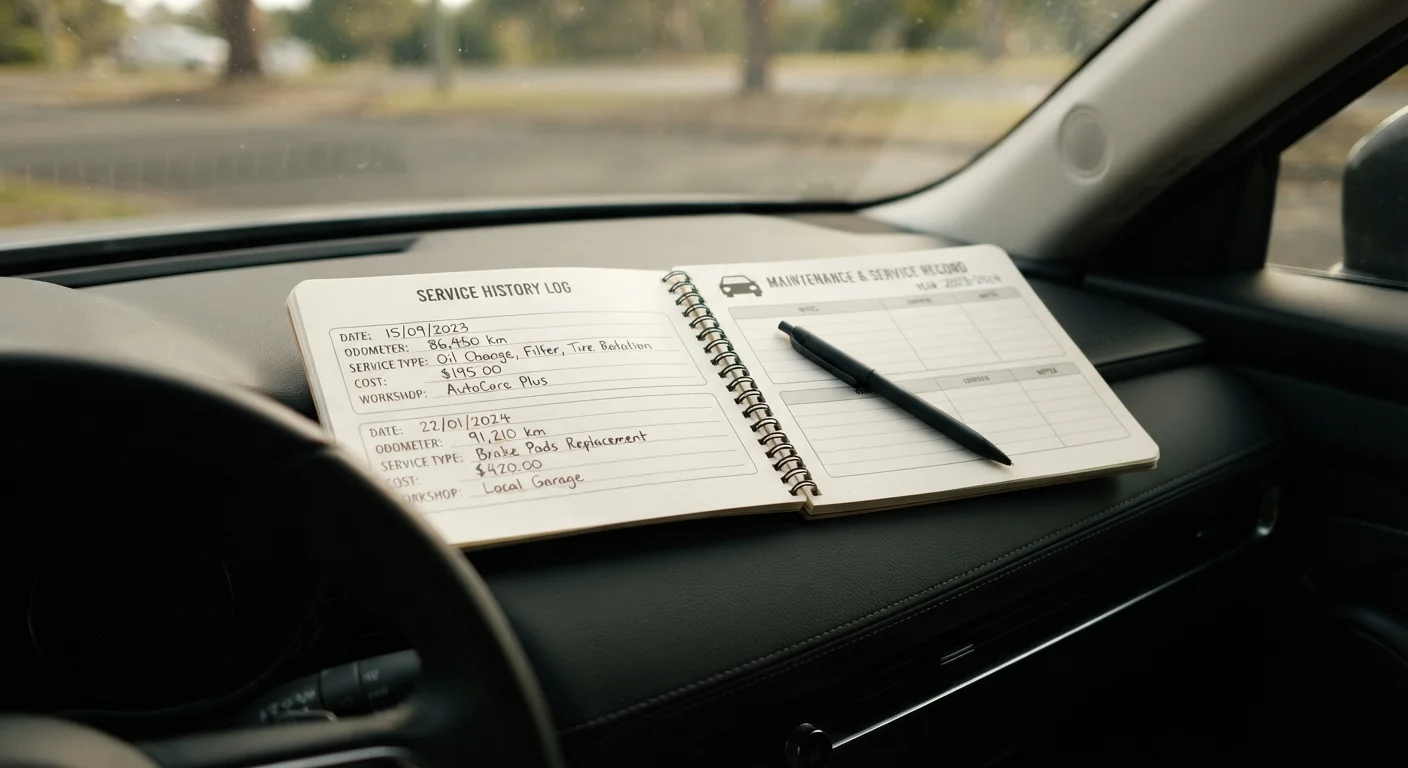
A vehicle maintenance log is simply a running record of every service, inspection, and repair performed on your car. It can be a spiral notebook stored in the glove box, a folder of receipts, a phone app, or a simple spreadsheet — the medium is entirely secondary to the habit itself.
Each entry should capture four things: the date, the current odometer reading, what was done, and who did it (a shop name, or "self" if you handled it). That's the complete foundation. Everything else — cost, parts used, warranty notes — is useful but optional.
Many drivers assume their mechanic keeps these records. Some shops do maintain service histories, but those records live with the shop, not with you. If you change mechanics, move, or the shop closes, that history disappears. Your own log travels with the car and stays in your control.
Why the Habit Pays Off Over Time
A well-kept log delivers three concrete benefits that compound the longer you maintain it.
Faster, more accurate diagnostics. When a warning light appears or a noise develops, a mechanic who can review your service history can often narrow down the cause in minutes rather than hours. Knowing your transmission fluid was changed 18 months ago, or that your brake pads were at 40% last inspection, changes what a technician looks at first. This translates directly to lower diagnostic labor costs.
Timely, interval-based maintenance. Most manufacturer-recommended service intervals are based on mileage, not calendar time. Without a log, it's easy to lose track of when your last oil change, air filter swap, or coolant flush occurred. Our guide on building a fluid and filter maintenance routine explains exactly which intervals to track and why each matters.
Documented value at resale. A car with a verifiable paper trail commands buyer confidence. As covered in service history documents and what they tell you, gaps in a vehicle's maintenance record are a recognized red flag when purchasing a used car — and the same applies when you are the seller.
Getting Started Without Overthinking It
The biggest obstacle most drivers face is waiting for the "right" system before they begin. There is no right system. Start with what you have today.
If you prefer paper, a small hardcover notebook fits neatly in a glove box. If you prefer digital, a basic notes app or a shared cloud document works just as well. Some drivers photograph their receipts and store them in a dedicated phone folder — that counts too.
The key is consistency. Log every visit to a shop, every fluid top-up, every tire rotation. Over time, even modest entries create a picture of your car's health. Pair this habit with a structured inspection schedule — our article on monthly vs. seasonal car checks is a practical companion resource for knowing what to look for and when.
When Records Are Already Missing
If you've owned your car for years without keeping a log, don't be discouraged — start from today. For older gaps, contact any shops you've used previously and ask whether they retain service records; many do for several years. This is also worth knowing if you're evaluating a used vehicle, as explained in our guide on why a vehicle history report matters.
The content on this site is for informational purposes only and is not a substitute for professional advice. Always consult a qualified professional for guidance specific to your situation.