

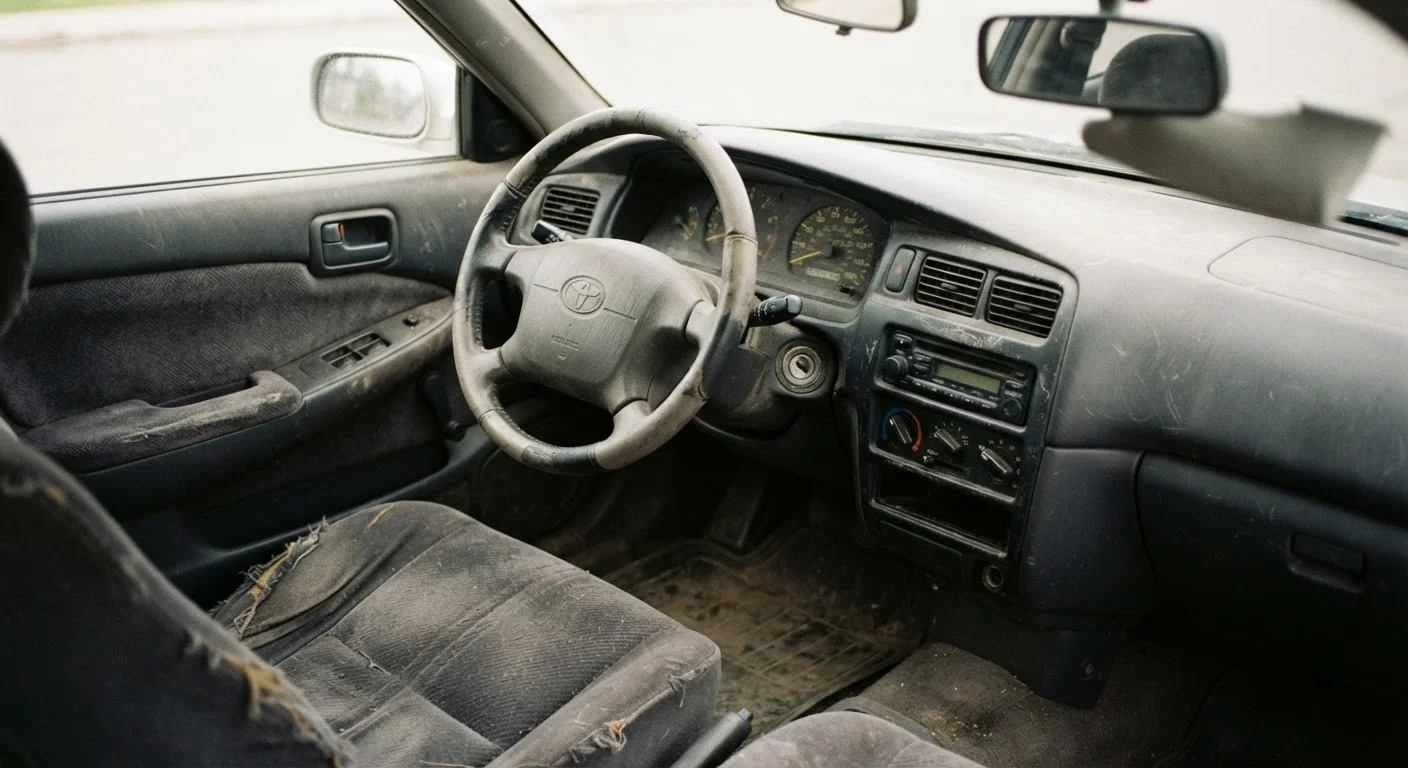
Why the Interior Tells a Different Story Than the Price Tag
A car's exterior can be polished and touched up at relatively low cost. The interior is harder to fake — wear accumulates in ways that are difficult and expensive to fully reverse. That's what makes a careful interior inspection one of the most useful things a used car buyer can do.
Before you open the door, it helps to have completed a basic exterior walk-around. Our exterior inspection guide covers that ground. This article picks up where that one leaves off, focusing on what's inside.
The interior inspection has three main jobs: confirming that wear is proportionate to the claimed mileage, identifying any signs of water damage, and flagging anything that might indicate the car has had a harder life than the seller's description suggests.
What you will need
If you're new to used car inspections altogether, the broader pre-viewing preparation guide is a practical place to start before you arrive at the car.
Pocket flashlight
Illuminate dark areas under seats, in footwells, and along carpet edges where staining and mold hide.
Notepad or phone
Record every issue you find so you can review and discuss with a mechanic or the seller later.
Vehicle history report
Cross-reference the reported mileage and ownership history against what the interior condition suggests.
How to Work Through the Interior Step by Step
The steps below follow a logical order — smell first, then visible wear, then moisture evidence, then function. This sequence matters because smells can fade if you leave doors open too long, and moisture damage is easier to spot before your eyes adjust to the overall condition of the cabin.
Bring a Small Flashlight
A simple pocket flashlight lets you peer under seats, into door pockets, and along carpet seams where water staining and mold are easy to miss in showroom or driveway lighting. This single tool will make your interior inspection significantly more thorough.
Start with your nose before you look at anything
Open the car door and pause before stepping in. Take a deliberate sniff. A clean used car smells neutral — perhaps faintly of plastic or fabric. Concerning smells include:
- Musty or mildew odor: strongly suggests water has gotten in and sat long enough to grow mold. This can affect carpets, foam padding, wiring, and even the HVAC system.
- Burnt or acrid smell: can indicate electrical problems, an overheating issue, or a clutch that's been slipping (on manual-transmission vehicles).
- Smoke odor: deep tobacco smoke permeates foam seating and headliners and is very difficult to fully eliminate.
- Overpowering air freshener: may be masking any of the above — note it and re-check after airing.
Check the seats and upholstery for wear patterns
Sit in the driver's seat and inspect the bolster (the raised side of the seat cushion) — this is one of the fastest-wearing parts of any car seat. Heavy cracking, flattening, or fabric fraying on the driver's bolster in a vehicle with low advertised mileage is a mismatch worth questioning.
Check the rear seats too. If rear seats show almost no wear while the driver's seat looks heavily used, the car may have been a commercial or livery vehicle rather than a private passenger car — a detail that affects how hard the drivetrain was worked.
Inspect pedals, floor mats, and the steering wheel
Pedal rubber wears with use. A vehicle claiming low mileage but showing deeply worn or replacement rubber on the brake, accelerator, and clutch pedals is a contradiction. Similarly, a steering wheel that's polished smooth or cracked at the grip points has seen a lot of hands over many miles.
Lift the floor mats (ask permission first) and check the carpet underneath for staining, dampness, or rust on the floor pan. Rust on the floor pan interior — not just surface oxidation but actual perforation — is a structural concern. See our guide to identifying rust and body damage for what distinguishes a minor issue from a deal-breaker.
Look for signs of water ingress across the cabin
Water enters used cars in several ways: failing door seals, cracked windshield seals, a damaged sunroof drain, or a compromised trunk or floor pan. Work through the cabin systematically:
- Shine your flashlight along the base of the A-pillars (the vertical supports at each side of the windshield) — water staining here suggests a windshield seal issue.
- Check inside door pockets and under the rear seat cushion for watermarks or grit that has settled after water dried.
- Look at the underside of the dashboard for any corrosion or discoloration — this can indicate water reached the wiring.
- Examine the headliner (the fabric on the ceiling) for sagging or brown staining, which commonly follows roof, sunroof, or seal failures.
Test every switch, control, and interior feature
Work through every powered feature methodically — windows, mirrors, locks, heated seats, air conditioning, infotainment screen, USB ports, and interior lights. Non-functional features may simply be a blown fuse, but they can also reflect deeper electrical problems, especially in a car that has experienced water damage.
Pay particular attention to the air conditioning. Switch it on and let it run for two to three minutes. It should produce cold air without any musty smell coming from the vents — mold on the evaporator coil is common and expensive to address properly.
Compare interior condition to the odometer and history
Step back and consider everything you've seen together. Does the wear level feel consistent with the mileage shown? A car with 30,000 miles should have seats, pedals, and controls that show only light use. One claiming 80,000 miles that looks almost new everywhere may have had cosmetic work done — not necessarily dishonest, but worth noting.
Cross-reference your observations against the vehicle history report if you have one, and against the service stamps in the owner's manual. Our article on reading service history documents explains what to look for in those records.
If anything you've found doesn't add up, that's the right time to request a professional pre-purchase inspection before making any financial commitment. Common inspection mistakes often come from skipping this step when doubts already exist.
Mileage Fraud Is a Real Risk
Odometer tampering — rolling back the displayed mileage — still occurs on used cars sold privately and through some smaller dealers. If interior wear seems much heavier than the mileage suggests, treat it as a serious red flag. You can cross-reference mileage against a vehicle history report and service stamps, but a licensed pre-purchase inspector can provide an independent assessment.
Don't Dismiss Unusual Smells
Sellers sometimes use air fresheners, carpet sprays, or ozone treatments to mask persistent odors. If the smell inside seems artificially strong or sweetened, open all the doors and windows for several minutes, then check again. A lingering chemical or damp smell after airing out is a genuine concern worth investigating further.
Once you've completed the interior inspection, the engine bay deserves the same systematic attention. Our under the hood guide walks through what a non-mechanic can realistically check there. For a broader reference on warning signs across the whole inspection, the practical inspection reference is a useful companion.
This article is for general informational purposes only. It is not a substitute for a professional mechanical inspection. If you have concerns about a vehicle's condition, consult a qualified mechanic before purchasing.
The content on this site is for informational purposes only and is not a substitute for professional advice. Always consult a qualified professional for guidance specific to your situation.