

Our Verdict
The total cost of owning an EV can be lower than a comparable gasoline vehicle over several years, primarily through reduced fuel and maintenance spending — but the outcome depends on individual driving habits, local electricity rates, available incentives, and how long the vehicle is held. Buyers who drive frequently, live in areas with lower electricity costs or stronger incentive programs, and plan to keep their vehicle for many years are most likely to benefit financially.
Seniors who drive regularly, have access to home charging, and plan to keep their vehicle for five or more years.
Breaking Down Total Cost of Ownership for an EV
The sticker price of an electric vehicle (EV) is only the starting point of a larger financial picture. Total cost of ownership — the full amount spent from purchase through resale, covering fuel, maintenance, insurance, registration, and depreciation — is often the more meaningful number when evaluating any vehicle.
For EVs, several of these categories look quite different from what owners of traditional gasoline-powered vehicles expect. Some costs are meaningfully lower over time; others are higher upfront or harder to predict. The balance shifts depending on where you live, how many miles you drive each year, local electricity and gasoline prices, and how long you intend to keep the car.
Understanding how total ownership costs break down across any vehicle provides a useful framework before weighing EV-specific factors.
Where EVs Can Lower Your Long-Term Spending
Several cost categories genuinely favor EVs over time, particularly for drivers who cover consistent annual mileage.
Lower fuel costs per mile driven
Electricity generally costs less than gasoline on a per-mile basis for most U.S. drivers, and those savings accumulate meaningfully across tens of thousands of miles driven over the life of a vehicle.
Reduced routine maintenance requirements
EVs eliminate oil changes, spark plug replacements, and other common service items found in combustion engines. Regenerative braking — which uses the motor itself to slow the car — also reduces wear on traditional brake pads and rotors.
Fewer complex mechanical systems to repair
Without a combustion engine, EVs avoid costly work such as timing belt replacement, exhaust repairs, and transmission servicing — each of which can run into hundreds or thousands of dollars on gasoline vehicles.
Purchase incentives may reduce the upfront cost
Federal and state programs have been available to qualified buyers, potentially lowering the net purchase price, though eligibility conditions apply and program availability is subject to change.
Electricity rates vary by state, utility provider, and time of day, so actual savings will differ by location. Drivers who charge primarily at home — especially overnight during off-peak hours when utility rates are typically lower — tend to capture the greatest fuel cost benefit. Practical charging strategies that extend range and reduce running costs are worth exploring before committing to a purchase. The simpler mechanical design of an electric motor — which functions very differently from a combustion engine — is directly tied to the lower routine servicing costs many EV owners experience over several years of ownership.
~50% less
Electricity fueling cost vs. gasoline per mile
U.S. Department of Energy estimates indicate electricity costs roughly half as much as gasoline on a per-mile basis for many average U.S. drivers.
~40% lower
Annual EV maintenance costs vs. gasoline vehicles
U.S. Department of Energy research suggests electric vehicles have significantly lower scheduled maintenance costs than comparable gasoline-powered vehicles.
$5,000–$20,000+
Estimated EV battery replacement cost range
Battery pack replacement costs vary by vehicle size, model, and capacity; prices have declined in recent years and are generally expected to continue falling as technology advances.
Where EV Costs Can Be Higher or Less Predictable
These advantages come with real trade-offs that deserve equal attention.
Higher upfront purchase price than comparable vehicles
EVs typically carry a significantly higher sticker price than gasoline-powered counterparts, requiring years of accumulated fuel and maintenance savings before the financial gap is closed.
Battery degradation and replacement can be expensive
EV battery capacity gradually declines over years of charging cycles, and full replacement is a major potential expense, though manufacturer warranties typically cover defects for a defined period and mileage threshold.
Home charging equipment adds to initial outlay
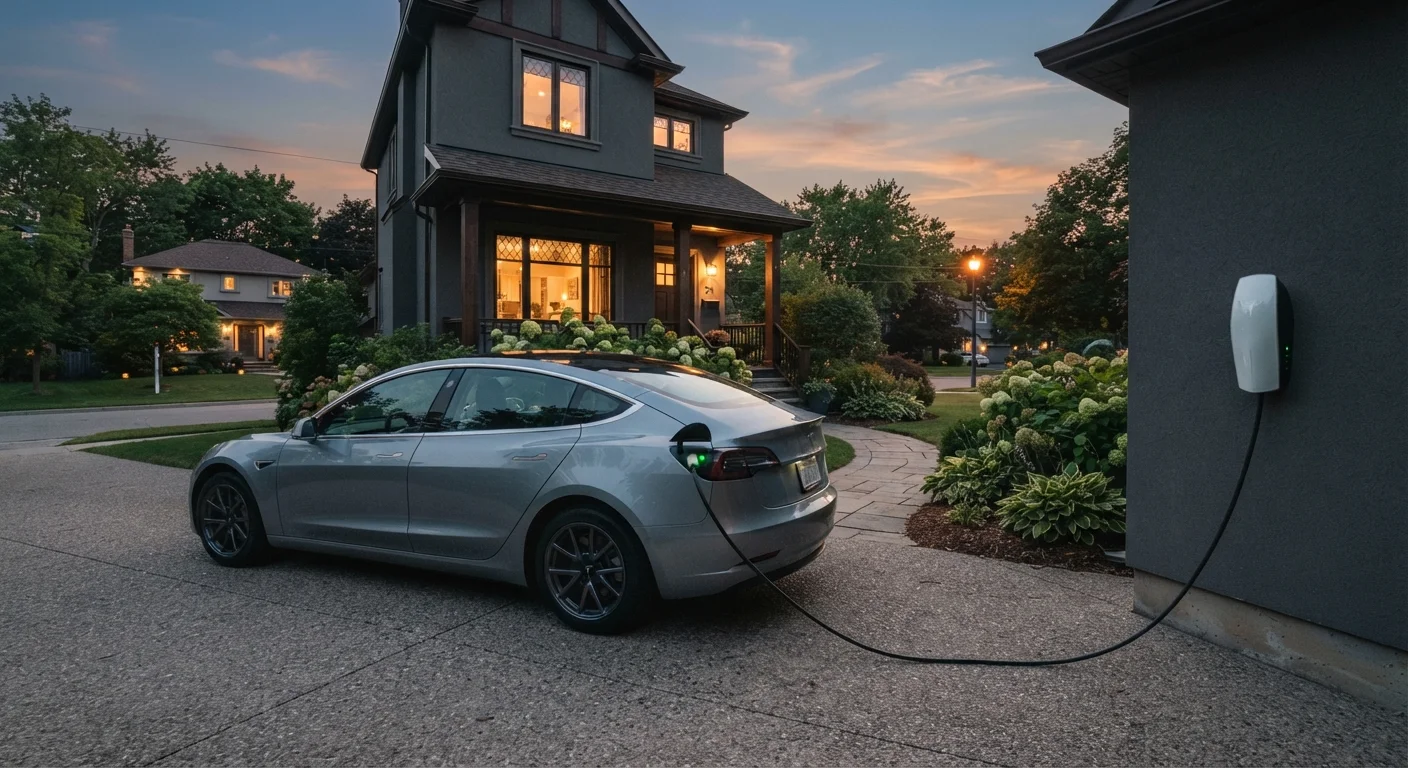
A Level 2 home charger — a 240-volt unit that enables faster overnight charging — requires professional electrical installation, typically adding several hundred to over a thousand dollars to setup costs.
Insurance premiums may run higher for EVs
EVs can cost more to insure than comparable gasoline vehicles due to higher repair costs for specialized components and battery systems, though premiums vary by insurer, driver record, and vehicle model.
Resale value and depreciation less predictable
The used EV market is still maturing, and some models have lost value faster than expected as newer vehicles with greater range and improved technology enter the market, affecting long-term resale returns.
Not every EV buyer encounters all of these costs — the specific vehicle, your local market, and your existing home electrical setup all influence which expenses apply to you. Battery warranty terms from manufacturers can provide meaningful protection against the costliest potential expense, so reviewing those details carefully before purchase is advisable. It is also important to understand that EVs still require regular scheduled servicing — assuming an EV is entirely maintenance-free is a common and costly misunderstanding that can result in neglected components and avoidable repair bills down the road.
Calculating the Right Answer for Your Situation
Whether an EV lowers your long-term costs depends on factors specific to your own circumstances. Annual mileage is perhaps the most significant variable: drivers who cover substantial miles each year accumulate fuel and maintenance savings faster, reaching the break-even point — where those savings offset the higher purchase price — more quickly than infrequent drivers.
Geography also matters considerably. Electricity costs vary from state to state, and some regions offer robust incentive programs that meaningfully reduce upfront costs. Federal tax credits may also apply, though eligibility depends on income level, vehicle sale price, and where battery components were manufactured.
Federal Tax Credits: Verify Before You Budget
Federal tax credits for new EV purchases have been available under legislation such as the Inflation Reduction Act, but eligibility rules are highly specific and have changed multiple times. Factors including the buyer's adjusted gross income, the vehicle's sale price, and where battery components were sourced all affect whether a credit applies. Always verify current requirements through IRS.gov or with a licensed tax professional before factoring any credit into your purchase budget.
Your intended ownership timeline shapes the calculation as well. EVs generally become more financially favorable over longer ownership windows, as cumulative savings compound year over year. For a direct comparison with conventional new car expenses, our analysis of the real cost of owning a new car over five years is a useful reference. If a pre-owned EV interests you, understanding total ownership costs for used vehicles applies equally well.
This article provides general information about electric vehicle ownership costs and is not financial, tax, or legal advice. Costs, incentive programs, and tax credit rules vary by vehicle, location, and individual circumstances. Consult a qualified financial or tax professional for guidance specific to your situation.
The content on this site is for informational purposes only and is not a substitute for professional advice. Always consult a qualified professional for guidance specific to your situation.