

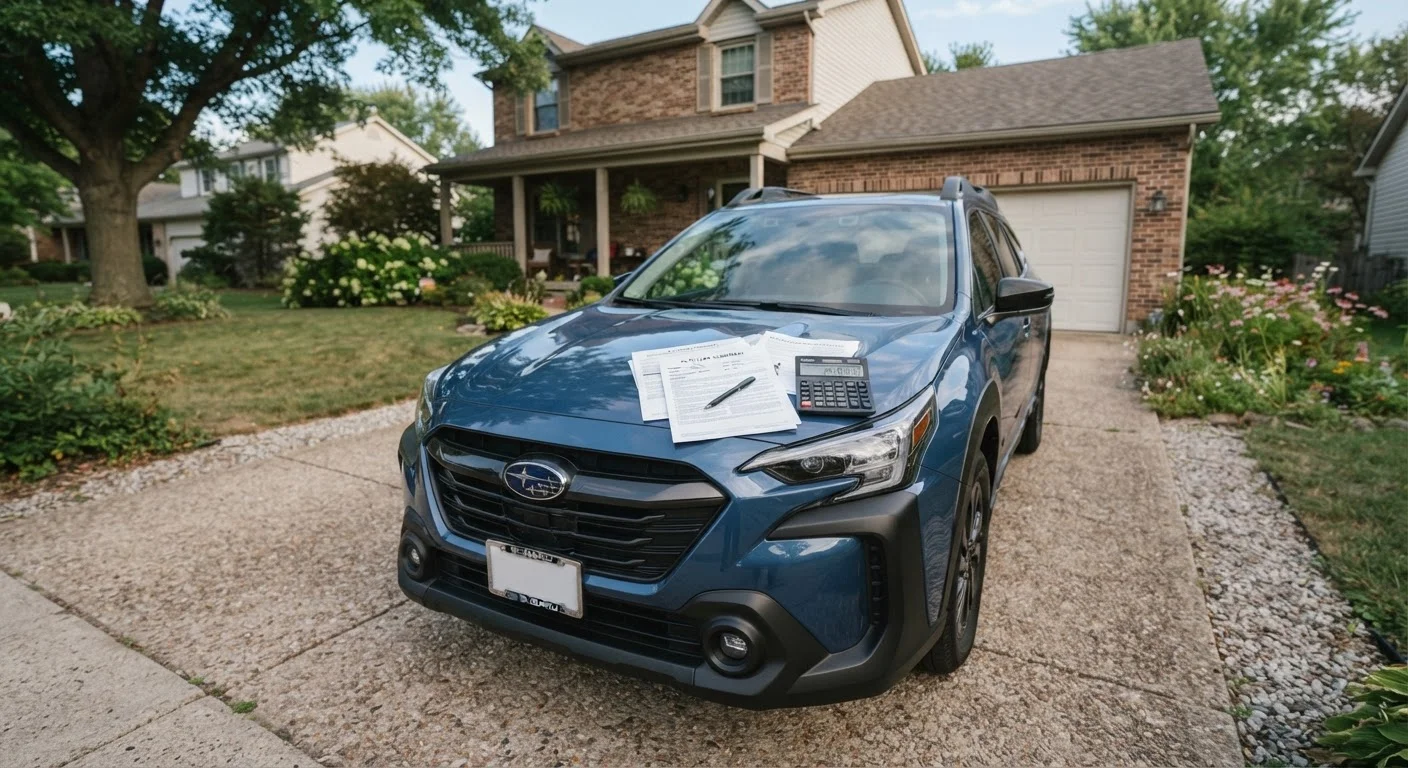
Depreciation: The Silent Expense
When a new car leaves the dealership lot, it immediately begins losing value — a process called depreciation. On average, a new vehicle loses roughly 15–25% of its value in the first year, and approximately 40–50% over five years. This is not a fee you pay directly, but it represents real money lost if you sell or trade in the vehicle.
For seniors on a fixed income, depreciation is a critical concept because it shapes the actual cost of the asset you're holding. A vehicle purchased for $32,000 may be worth only $16,000–$19,000 after five years. That gap — $13,000 to $16,000 — is a cost you absorb regardless of how carefully you maintain the car.
Vehicles with strong resale value depreciate more slowly, reducing this loss over time. Understanding depreciation before you buy is one of the most practical steps you can take. See our guide to evaluating long-term ownership costs for factors that influence a model's depreciation rate.
~20%
Average new car value lost in year one
Industry depreciation data consistently shows new vehicles lose 15–25% of their value within the first 12 months of ownership.
$5,600+
Estimated interest on a typical 60-month loan
Based on a $30,000 loan at approximately 7% APR over five years; actual figures depend on rate, term, and loan amount.
$7,500
Approximate 5-year fuel cost
Estimated for a vehicle averaging 28 mpg, driven 12,000 miles per year at $3.50 per gallon.
Financing, Insurance, and Registration Costs
If you finance a new car purchase, loan interest becomes a substantial line item. On a $30,000 loan at a 7% annual percentage rate (APR) over 60 months, you would pay approximately $5,600 in interest alone — on top of the vehicle's price. Rates and terms vary widely depending on your credit profile and lender.
New vehicles also carry higher insurance premiums than comparable used cars, because the replacement cost for an insurer is greater. Comprehensive and collision coverage — typically required by lenders — add to this cost each year. Premiums vary by driver history, location, and vehicle type; this article provides general context, not personalized insurance advice. Consult a licensed insurance agent for guidance specific to your situation.
Annual registration and title fees, which vary by state, add a recurring cost that is easy to overlook. Some states base registration fees partly on a vehicle's value, meaning a new car costs more to register than an older one. For a fuller picture of these recurring charges, see our overview of the total cost of owning a car.
Review All Loan Terms Before Signing
When comparing financing offers, look at the total amount repaid over the full loan term — not just the monthly payment. A longer loan term lowers monthly payments but increases total interest paid. Request a full loan amortization schedule from any lender so you can see the complete picture before committing.
Fuel and Maintenance Over Five Years
Fuel is the most visible ongoing expense. A vehicle driven 12,000 miles per year at an average of 28 miles per gallon, with gas at $3.50 per gallon, costs roughly $1,500 annually in fuel — about $7,500 over five years. Larger or less fuel-efficient vehicles push that figure considerably higher. If you're curious how these numbers compare for electric vehicles, our article on the real cost of owning an electric car breaks down the tradeoffs.
Maintenance for a new car is relatively predictable in the early years. Oil changes, tire rotations, brake inspections, and cabin air filter replacements are scheduled at regular intervals. Many new vehicles include complimentary maintenance for the first two to three years. After the warranty and complimentary service periods end — typically around year three or four — out-of-pocket maintenance costs rise noticeably.
Over five years, routine maintenance alone commonly totals $2,000–$4,000, depending on the vehicle and service provider. This does not account for unexpected repairs, which a new-car warranty helps cover during the coverage window.
Warranty Coverage Varies by Manufacturer
New vehicle warranties differ in duration and what they cover. A basic bumper-to-bumper warranty typically lasts three years or 36,000 miles, while a powertrain warranty may extend to five years or 60,000 miles. Review the specific warranty terms for any vehicle you consider, and ask the dealer to clarify what is and is not included.
Putting It All Together: Is New Right for You?
Adding depreciation, loan interest, insurance, fuel, maintenance, and registration together paints a fuller picture. A moderately priced new vehicle driven for five years can carry a total ownership cost of $40,000–$60,000 or more — well above the sticker price many buyers focus on at the point of purchase.
For seniors weighing this decision, a new car does offer genuine advantages: warranty coverage, the latest safety features, and predictable early maintenance. But a well-maintained used vehicle at a lower purchase price may close much of that cost gap, particularly if repair history is documented. Our article on used car total ownership costs and the companion piece on the true cost of owning a cheaper car offer useful comparisons.
The most important step is to estimate total five-year costs — not just the monthly payment — before committing. Resources in our Financing & Budgeting hub can help you build a realistic ownership budget aligned with your income and driving needs.
This article is for general informational and educational purposes only and does not constitute financial, insurance, or legal advice. Costs vary significantly by vehicle, location, credit profile, and individual circumstances. Consult a qualified financial adviser or licensed insurance agent before making purchase or coverage decisions.
Frequently Asked Questions
Depreciation is consistently the largest single expense. A new vehicle can lose 15–25% of its value in the first year alone, and roughly 40–50% over five years. This loss is realized whether or not you sell the car.
According to AAA's 'Your Driving Costs' research, average annual ownership costs for a new sedan have historically ranged from roughly $8,000 to over $12,000 per year when all expenses are included. The exact figure depends heavily on vehicle type, mileage driven, and where you live.
Generally, yes. A new car carries steeper depreciation and higher insurance premiums in the early years. However, a used vehicle may face higher repair costs and lacks a new-car warranty, so the gap narrows depending on the vehicle's age and condition.
A new-vehicle warranty can reduce out-of-pocket repair costs significantly during the coverage period, which typically spans three to five years. Once the warranty expires, maintenance and repair expenses tend to increase.
Driving fewer miles reduces fuel costs and can slow wear-related maintenance needs. However, depreciation, insurance, and loan interest occur regardless of mileage, so total savings from low mileage are more limited than many expect.
Loan interest, sales tax, registration and title fees, and the cost of optional add-ons or extended warranties are frequently underestimated. These can collectively add several thousand dollars to the total five-year cost.
The content on this site is for informational purposes only and is not a substitute for professional advice. Always consult a qualified professional for guidance specific to your situation.