

What a Pre-Purchase Inspection Actually Is
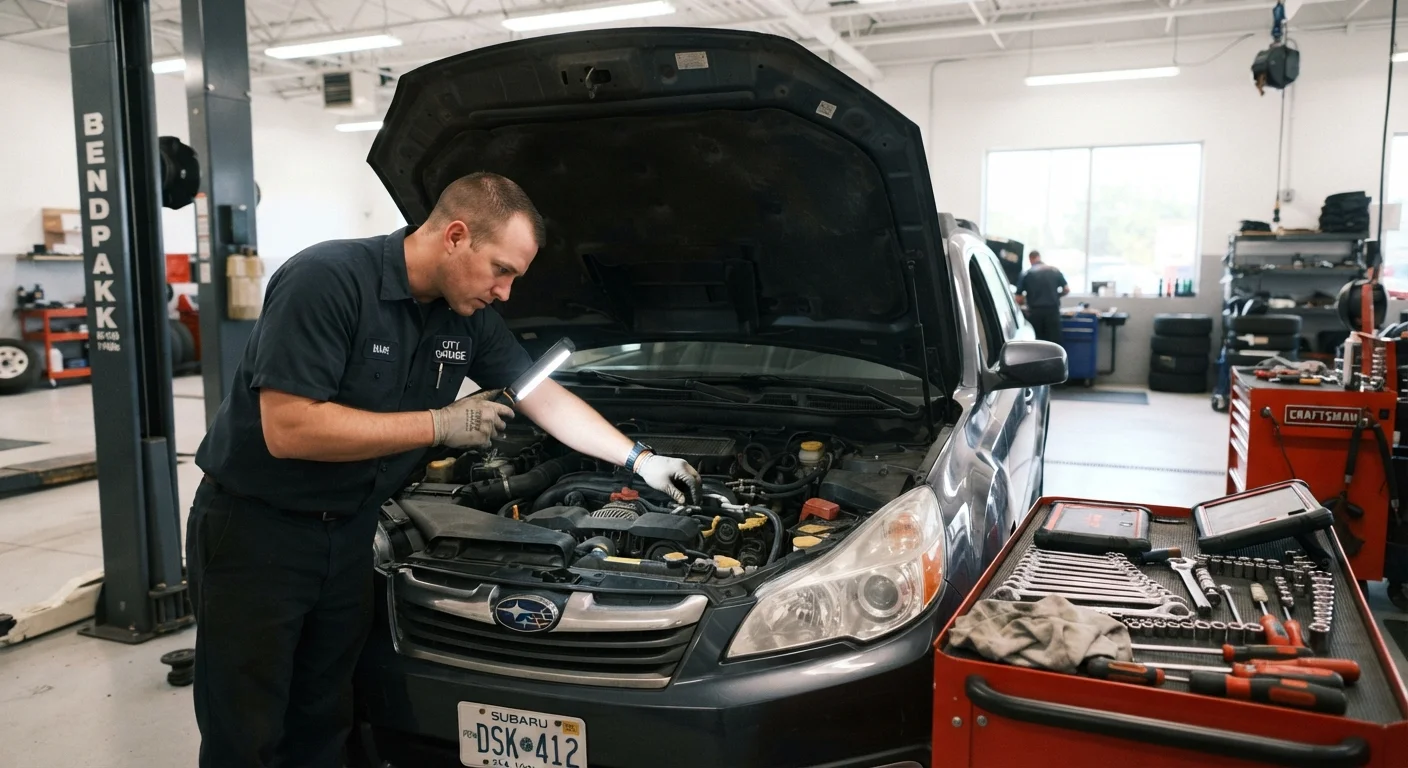
A pre-purchase inspection (PPI) is a thorough mechanical and safety evaluation of a used vehicle performed by an independent, qualified mechanic — one you hire, not the seller's shop. Its purpose is straightforward: to give you an unbiased picture of the car's true condition before money changes hands.
A PPI is not the same as a test drive, a visual walk-around, or a dealer's own service check. Those can surface obvious issues, but they rarely catch the problems that cost the most: a failing automatic transmission, hairline cracks in a brake rotor, or corrosion eating through a frame rail. An independent mechanic has no stake in whether the sale goes through, which is exactly why their assessment carries weight.
For seniors on a fixed income, a surprise repair bill of $1,500 or $3,000 shortly after purchase isn't just inconvenient — it can genuinely disrupt a budget. A PPI typically costs between $100 and $200 at most independent shops, making it one of the highest-return steps in the used car buying process. Learn more in our full breakdown of what an inspection costs and why it pays off.
| Typical PPI cost (US) | $100–$200 (General market range; costs vary by region and shop) |
| Who performs a PPI | An independent, qualified mechanic — not the seller's shop |
| Average time to complete | 1–2 hours (Varies by vehicle age and inspection scope) |
| OBD-II scan included | Should be — reveals stored diagnostic trouble codes |
| Seller refusal is a red flag | Yes — any legitimate seller should permit an independent inspection |
| Applies to | All used vehicles, including certified pre-owned |
What a Thorough Inspection Should Cover
A credible PPI works through the vehicle systematically. While no two mechanics follow an identical checklist, the categories below represent what a complete inspection should address. Our printable pre-purchase checklist walks through each area in step-by-step detail.
Engine and Drivetrain
- Oil condition, coolant level, and signs of leaks
- Timing belt or chain condition (replacement intervals vary by vehicle)
- Transmission fluid color and evidence of slippage
- Condition of belts, hoses, and engine mounts
Brakes and Suspension
- Pad and rotor thickness on all four corners
- Brake fluid condition and brake line integrity
- Shock absorbers, struts, ball joints, and tie rods for wear or play
- Wheel bearing condition
Tires and Wheels
- Tread depth on all four tires (including the spare)
- Uneven wear patterns that can signal alignment or suspension problems
- Rim damage or evidence of impact
Electrical System
- Battery health and charging system output
- Functionality of lights, wipers, windows, locks, and climate controls
- OBD-II scan for stored or pending diagnostic trouble codes
Body and Frame
- Evidence of past collision repair — mismatched paint, uneven panel gaps, overspray
- Rust or corrosion, especially under the vehicle, in wheel wells, and along frame rails
- Condition of door seals and weatherstripping
Interior and Safety Features
- Seat belts, airbag warning lights, and safety system readiness indicators
- HVAC system output and any unusual odors suggesting mold or water intrusion
- Odometer plausibility relative to wear on pedals, steering wheel, and seat
Pre-Purchase Inspection (PPI)
A comprehensive mechanical and safety evaluation of a used vehicle conducted by an independent mechanic before a sale is finalized. Its goal is to identify existing or developing problems the buyer would otherwise not know about.
OBD-II Scan
A diagnostic scan of a vehicle's onboard computer system using a standardized port found in all US cars built after 1996. It reveals stored or pending fault codes that can indicate engine, transmission, or emissions problems.
ASE Certification
A professional credential issued by the National Institute for Automotive Service Excellence indicating that a technician has passed standardized competency tests in specific areas of vehicle repair and maintenance.
Diagnostic Trouble Code (DTC)
A code stored by a vehicle's onboard computer when a sensor detects a system operating outside normal parameters. DTCs can indicate issues ranging from a loose gas cap to serious engine or emissions problems.
Frame Rail
A structural component forming part of a vehicle's underlying chassis. Rust or collision damage to frame rails can compromise vehicle safety and may be very costly or impossible to repair adequately.
Tie Rod
A steering component that connects the steering rack to the front wheel hub. Worn or damaged tie rods can cause dangerous loss of steering control and must be replaced before the vehicle is safely driven.
How to Arrange a PPI — and What to Do With the Results
Any reputable seller — private or dealer — should allow you to have the vehicle independently inspected before purchase. If a seller refuses or creates obstacles, treat that resistance as a significant warning sign.
Choose a mechanic who is not affiliated with the seller. An ASE-certified (Automotive Service Excellence) technician at an independent shop is a reliable choice. Some buyers also use mobile inspection services that come to the vehicle's location, which can be convenient when the seller is unwilling to drive the car to a shop.
When you receive the inspection report, don't expect a pass/fail grade. Most used vehicles will have at least a few minor items noted. What you're looking for is the severity and cost of the findings. Separate issues into three categories:
- Safety-critical: Problems that make the vehicle unsafe to drive until repaired (e.g., severely worn brake pads, a failing tie rod). These require immediate cost estimates and should heavily influence your decision.
- Near-term maintenance: Items that will need attention within the next 6–12 months (e.g., tires approaching end of life, aging brake fluid). Factor these costs into your offer price.
- Monitor only: Minor wear items that are normal for the vehicle's age and mileage.
Armed with a written report, you have three reasonable options: negotiate a lower price to offset repair costs, ask the seller to make repairs before sale, or walk away. Each is a legitimate outcome. The inspection gives you the information and leverage to make that choice clearly.
For a full walkthrough of what to ask and how to read the report, see our guide on using a pre-purchase inspection to protect yourself. And if you're preparing for a viewing appointment, what every senior buyer should know before viewing a used car covers what to bring and what to observe on your own first.
Certified Pre-Owned Doesn't Replace a PPI
Certified Pre-Owned (CPO) programs do include a manufacturer or dealer inspection, but those inspections are conducted by parties with an interest in completing the sale. An independent PPI by a mechanic you select adds a second, unbiased layer of verification. This is especially important when significant money is involved or when you have concerns about a vehicle's history.
This article provides general educational information about pre-purchase vehicle inspections. It is not a substitute for professional mechanical advice tailored to a specific vehicle. Always consult a qualified, licensed mechanic before making any purchase decision.
The content on this site is for informational purposes only and is not a substitute for professional advice. Always consult a qualified professional for guidance specific to your situation.