

Our Verdict
For most seniors buying a used car, a pre-purchase inspection is one of the most cost-effective steps available. The modest upfront cost is small compared to the potential repair bills it can help you avoid or negotiate around. That said, it is not a guarantee — no inspection catches every future problem — so it works best as one layer of a broader due-diligence approach.
Any senior buying a used car privately or from a dealer, especially those without a mechanical background or personal mechanic they already trust.
What a Pre-Purchase Inspection Actually Is
A pre-purchase inspection (PPI) is a thorough mechanical evaluation of a used vehicle carried out by an independent, qualified mechanic — someone who has no financial stake in whether you buy the car or not. You arrange it, you pay for it, and you receive the report.
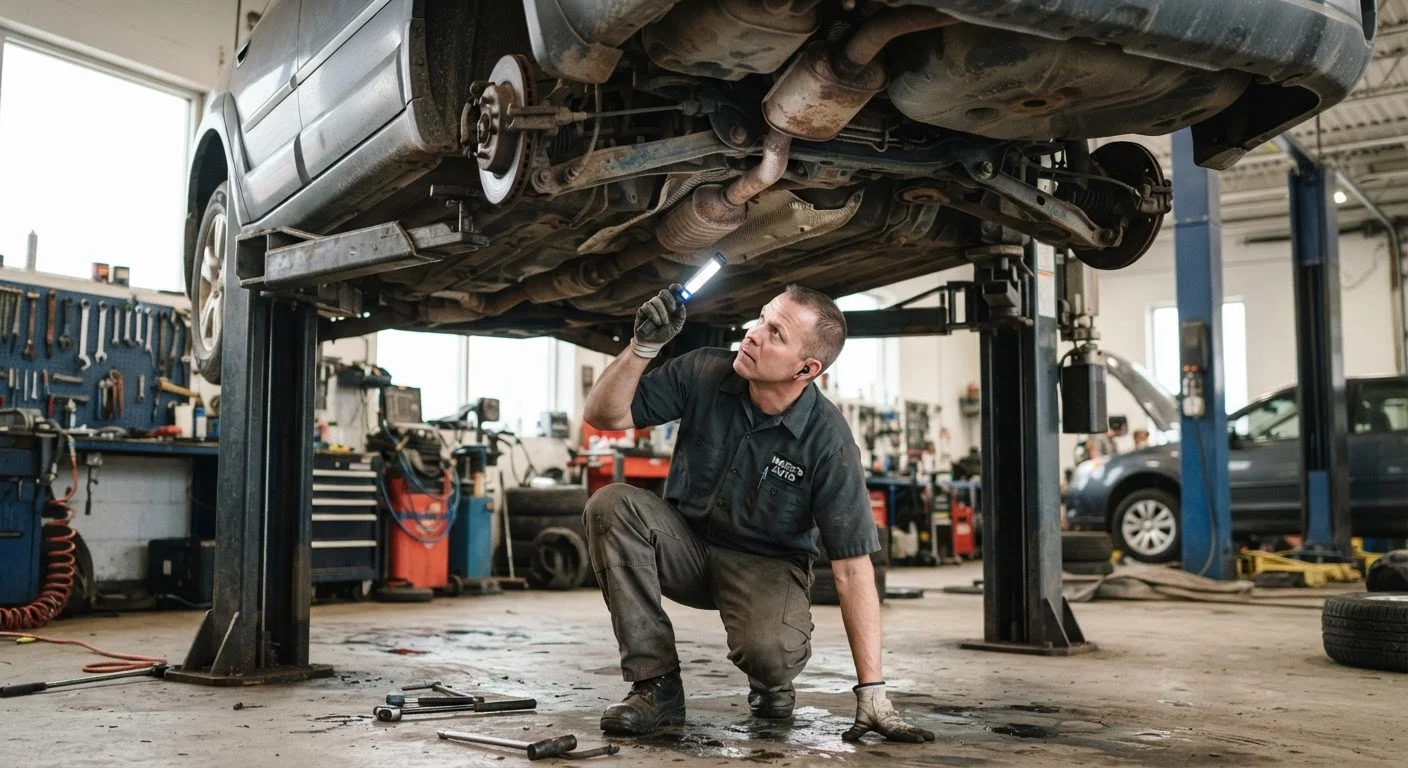
Unlike a quick look-over by the seller, a proper PPI typically involves raising the car on a lift to check the undercarriage, running diagnostic tools to scan for fault codes, and physically testing the brakes, steering, and suspension. The mechanic will also assess the engine bay, check fluid conditions, look for signs of prior accident damage or rust, and test key systems like the heating and air conditioning.
Most inspections take between one and two hours. You can read more about what the process involves in our guide on how to use a pre-purchase inspection to protect yourself.
The Pros: Why the Inspection Earns Its Fee
The core value of a PPI is simple: it gives you an honest picture of the car's condition before you hand over your money.
Reveals hidden mechanical problems before purchase
A trained eye can spot worn brakes, leaking seals, and failing components that are invisible to an untrained buyer. Catching a $1,500 transmission issue before you buy is far better than discovering it afterward.
Provides an unbiased, independent assessment
The mechanic has no stake in the sale, so their findings reflect the car's actual condition — not the seller's description of it.
Can be used to negotiate a lower price
Any faults found become documented evidence you can present to the seller to justify a price reduction, often covering the cost of the inspection itself.
Gives peace of mind on a major purchase
Knowing a qualified professional has checked the vehicle thoroughly allows you to commit — or walk away — with genuine confidence.
Identifies safety issues before they cause harm
Brake wear, tire condition, and steering problems can be flagged before you drive the car home, reducing the risk of a dangerous situation on the road.
Importantly, the report also gives you something to work with in price negotiations. If the inspector finds that the car needs new brake pads and a leaking CV boot, those are real costs you can put back to the seller. In many cases, buyers recoup the cost of the inspection through price reductions alone.
For a deeper look at what a thorough inspection should include, see what a pre-purchase inspection covers.
$100–$200
Typical PPI cost in the US
Industry pricing data from independent repair shops across the US consistently places a standard pre-purchase inspection in this range.
~$6,000
Average unexpected used car repair cost
Consumer research on used vehicle ownership consistently shows that undisclosed mechanical problems can cost buyers several thousand dollars in the first year.
The Cons: Limitations Worth Knowing
A PPI is a valuable tool, but it has real limits. Understanding what it cannot do helps you use it wisely rather than rely on it blindly.
Adds upfront cost before you've committed
Paying $100–$200 on a car you may not end up buying can feel like money lost, especially if you inspect several vehicles before finding the right one.
Cannot predict every future failure
An inspection captures the car's condition on a single day. A component that passes today may still fail next month; no inspection is a warranty.
Requires seller cooperation
The seller must agree to allow the inspection, which adds a step to the process. Private sellers occasionally push back, and that resistance itself carries meaning.
Quality varies between mechanics
Not every shop provides the same level of thoroughness. A cursory inspection may miss significant issues, so choosing an experienced mechanic matters.
Does not cover interior electronics comprehensively
Advanced infotainment systems, driver-assist features, and module-level software faults may not be fully evaluated in a standard PPI.
An Inspection Is Not a Warranty
A pre-purchase inspection documents a vehicle's condition at a specific point in time. It cannot guarantee the car will remain problem-free after purchase, and it does not create any legal obligation on the part of the seller or inspector. Think of it as informed decision-making support, not a guarantee. For ongoing peace of mind after buying, our hub on routine car checks covers the regular inspections every senior driver should carry out.
How to Arrange One — and What to Expect to Pay
In the US, a standard pre-purchase inspection from an independent shop generally runs between $100 and $200, though prices vary by region and the scope of the check. Specialist vehicles or those requiring more diagnostic time may cost more.
To arrange one, find an independent mechanic — not one recommended by the seller — and ask whether they perform pre-purchase inspections. You can also use a national chain garage, though an established local shop often provides more detailed verbal follow-up. The seller will need to agree to bring the vehicle to the shop, or allow you to take it there briefly. If they refuse, treat that refusal as a significant warning sign.
Before booking, it helps to go in prepared. Our article on questions to ask a mechanic before a pre-purchase inspection walks through exactly what to raise beforehand. You may also want to bring along the pre-purchase used car inspection checklist to note your own observations during the viewing.
This article provides general information for educational purposes and does not constitute personalised financial, mechanical, or legal advice. Repair costs and inspection fees vary widely by location and vehicle. Consult a qualified mechanic for guidance specific to your situation.
The content on this site is for informational purposes only and is not a substitute for professional advice. Always consult a qualified professional for guidance specific to your situation.