

Why an Independent Inspection Matters
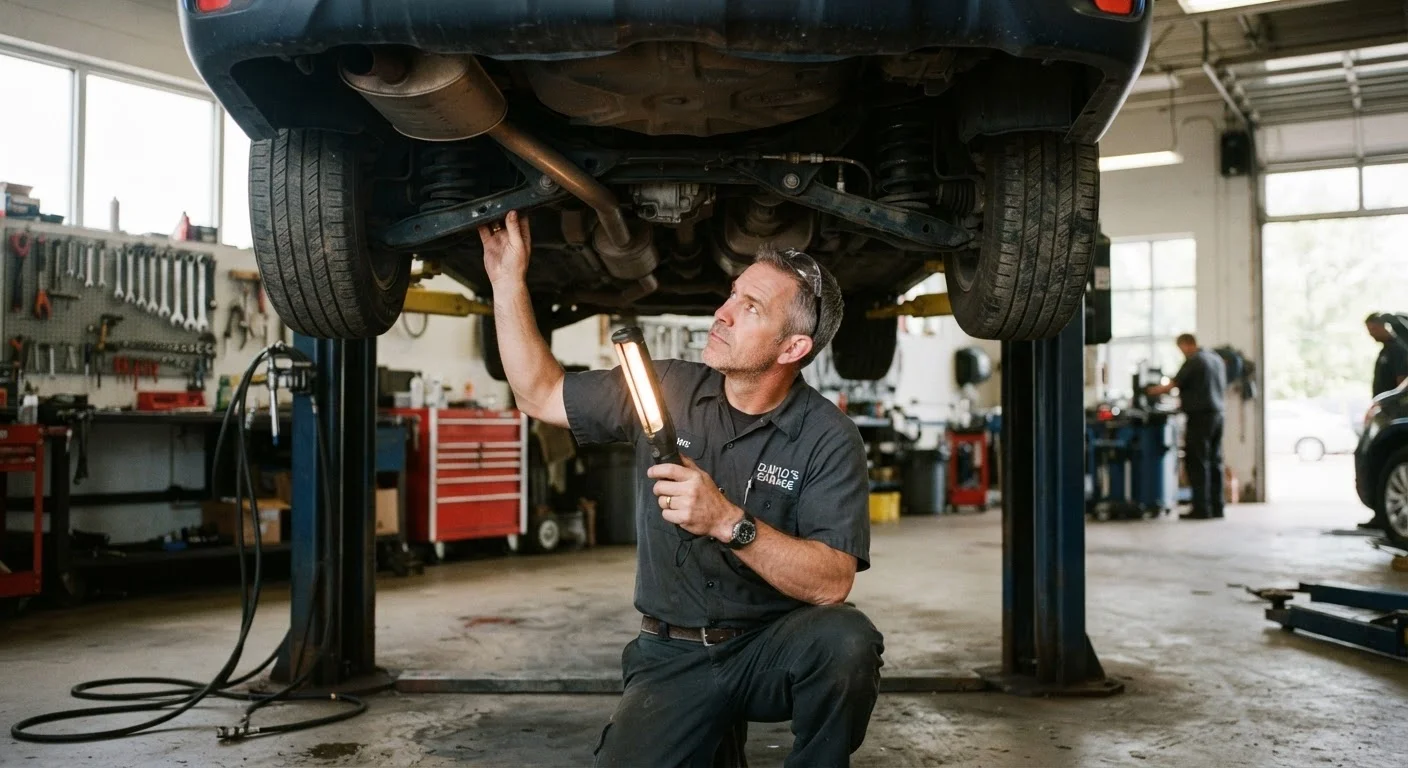
A pre-purchase inspection (PPI) means paying an independent mechanic to evaluate a used vehicle before you commit to buying it. It is different from a test drive or a visual once-over — a qualified technician puts the car on a lift, checks systems you cannot easily see, and gives you a written account of what they find.
For seniors on a fixed income, a surprise repair bill of $2,000 or more can be a serious financial strain. An inspection costing $100–$200 is a modest insurance policy against that outcome. It also gives you negotiating power: documented problems are concrete grounds for asking the seller to lower the price.
To understand exactly what a thorough inspection should include, see what a pre-purchase inspection covers. For a broader look at evaluating used cars, the Inspecting Used Cars hub is a useful starting point.
Never Skip the Inspection on a Private Sale
Private sellers are not required by law to disclose known defects in most US states, and vehicles sold privately are typically sold "as-is." Without a written inspection report from an independent mechanic, you have very little recourse if serious problems surface after the sale. This step protects your money and your safety.
What You Need Before You Start
Before scheduling an inspection, make sure you have the basics in place.
What you will need
ASE-Certified Independent Mechanic
Performs the physical inspection and produces a written report of findings.
Vehicle History Report (e.g., from a reputable provider using the VIN)
Provides background on title status, reported accidents, and odometer records before the inspection.
Notepad or Phone for Notes
Lets you record the mechanic's verbal summary and any questions you want to follow up on.
If you want to prepare more thoroughly for what to look for yourself during an initial viewing, our guide to used car inspection basics walks through exactly that.
Step-by-Step: Arranging and Using a Pre-Purchase Inspection
Follow these steps in order. Each one builds on the last, and skipping any of them reduces the protection the inspection provides.
Confirm the seller agrees to an inspection in writing
Before spending any time or money arranging an inspection, get the seller's explicit agreement — by text or email — that you may have the vehicle independently inspected prior to purchase. This creates a clear record and filters out sellers who are hiding something. Any refusal should be treated as a dealbreaker.
Find an independent, qualified mechanic
Choose a shop or mobile inspector with no connection to the seller. Look for ASE (Automotive Service Excellence) certification, which indicates tested competence. Ask your regular mechanic if they offer pre-purchase inspections, or if they can recommend a colleague. AAA maintains a network of approved repair facilities that you can locate by zip code on their public website.
Schedule the inspection and arrange transport
Call the shop ahead of time to confirm they perform pre-purchase inspections and ask how long the appointment takes — typically 60 to 90 minutes. Coordinate with the seller on a time the vehicle can be driven or transported to the shop. Some mechanics offer mobile inspections and will come to the vehicle's location for an added fee, which can be convenient.
Provide the mechanic with context
When you drop off the vehicle, share any information you already have: the vehicle history report, any disclosures the seller made, mileage, and the asking price. Mention any specific concerns — for example, if the car has unusually high mileage or if you noticed a noise during your test drive. The more context the mechanic has, the more targeted the inspection can be.
Review the written report with the mechanic
Request a written report — not just a verbal summary. A good report will list items inspected, note their condition, and flag anything that needs immediate attention versus items to watch in the future. Ask the mechanic to estimate repair costs for any problems found. This converts findings into dollar figures you can actually use.
Use the report to negotiate or walk away
If the inspection turns up significant issues, you have three reasonable options: ask the seller to reduce the price by the estimated repair cost, request that the seller fix the problems before you buy, or walk away entirely. If the report is largely clean, you can proceed with much greater confidence. Either way, you have made a decision based on facts rather than hope.
Read the Report Carefully Before Negotiating
Ask your mechanic to walk you through findings in plain language. Separate issues into safety-critical problems, items needing near-term repair, and minor wear items. This breakdown gives you a clear picture of the vehicle's true cost and a concrete basis for any price discussion with the seller.
Once you have the report in hand, questions to ask your mechanic can help you draw out any remaining details before making your final decision.
Do Not Use the Seller's Recommended Mechanic
A mechanic suggested by the seller may have a business relationship that creates a conflict of interest. Always find your own independent shop. Ask friends, family, or your regular mechanic for a referral — or search for an AAA-approved facility or an ASE-certified shop in your area.
After the Inspection: What Comes Next
A clean inspection report does not guarantee the vehicle will never need repairs — all used cars require maintenance over time. What it does mean is that no major hidden problems were found on that day. For ongoing upkeep after you buy, the Routine Car Checks hub covers the regular inspections every driver should carry out.
If you are weighing whether the inspection cost is worthwhile relative to the car's price, why a pre-purchase inspection is worth the cost breaks down the value in practical terms.
The bottom line: a pre-purchase inspection is one of the few steps in the used car buying process that is almost always worth it, regardless of the seller, the vehicle's age, or the asking price.
This article provides general educational information about the used car buying process and is not a substitute for advice tailored to your personal situation. Repair costs and inspection scope vary by location, vehicle, and mechanic. Always consult qualified professionals before making significant financial decisions.
The content on this site is for informational purposes only and is not a substitute for professional advice. Always consult a qualified professional for guidance specific to your situation.