

Our Verdict
An aftermarket reversing camera is a practical, relatively low-cost addition to an older vehicle for drivers who have reduced range of motion or limited rear sightlines. However, it works best as a supplement to proper mirror use and active head-checks, not a replacement. The technology's value depends heavily on installation quality and how well the driver learns to read the display.
Seniors driving older vehicles without factory cameras who experience difficulty turning to check blindspots, and who are willing to invest in professional installation.
Why Reversing Cameras Come Up for Seniors
Reversing is statistically one of the most common scenarios for low-speed collisions, particularly in car parks and driveways. For many older drivers, the physical challenge of turning the head and neck far enough to see clearly behind the vehicle adds a layer of difficulty that younger drivers may not face. Conditions such as cervical stiffness, reduced shoulder mobility, or changes in peripheral vision can make traditional mirror checks less reliable.
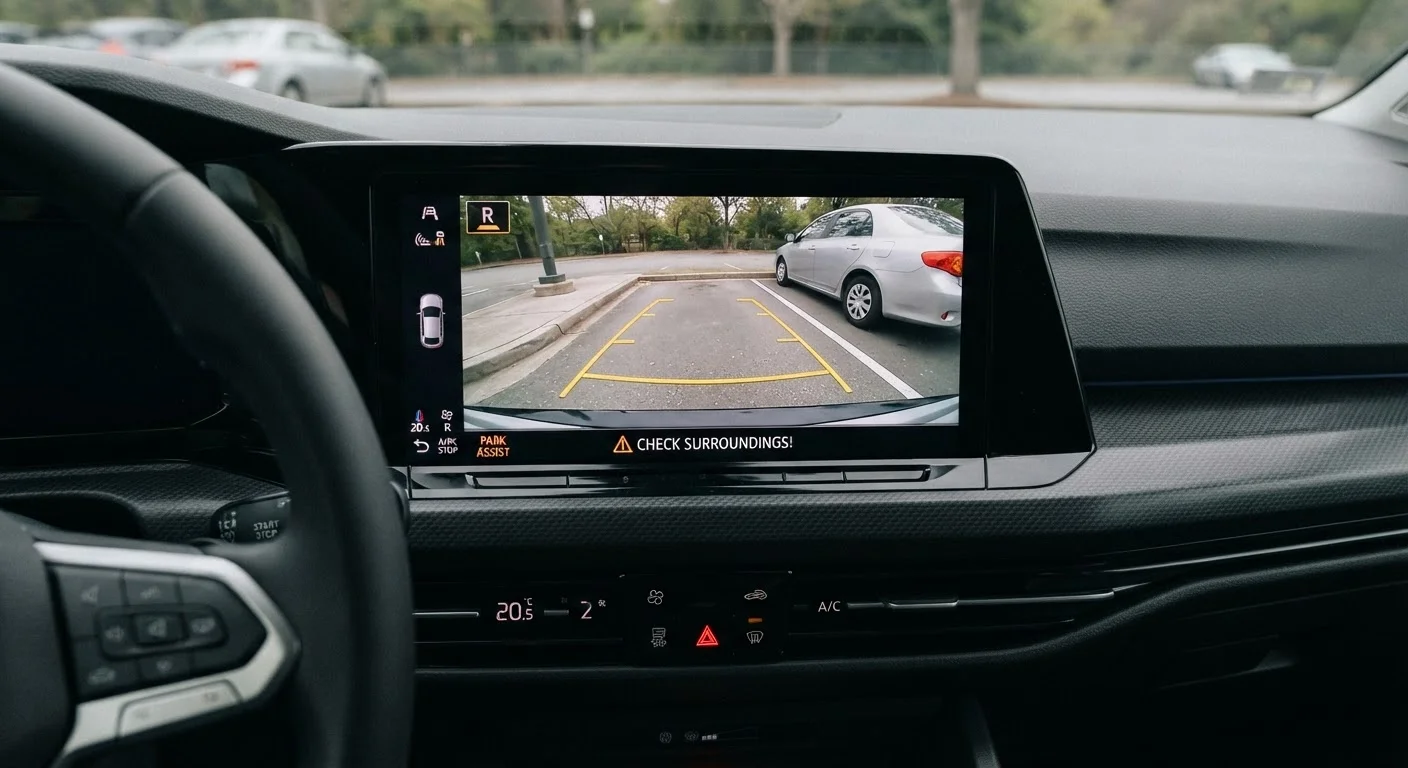
Aftermarket reversing cameras — units fitted to vehicles that did not come with a factory-installed system — have become a widely available option for addressing this gap. They display a live video feed of the area directly behind the vehicle on a dashboard screen or a small dedicated monitor, usually activating automatically when reverse gear is selected.
Before deciding whether one is right for you, it helps to weigh the genuine advantages against the real limitations. For a broader look at how cameras compare with parking sensors, see our guide on what reversing cameras and parking sensors each do.
The Case For Aftermarket Reversing Cameras
Reduces need to physically turn and look back
Drivers with neck stiffness or limited shoulder rotation can use the camera display instead of straining to look over their shoulder, reducing discomfort during reversing.
Covers blind spots mirrors may miss
Wide-angle camera lenses can capture areas directly behind the bumper that are difficult to see in standard rear-view or side mirrors, especially in low-slung vehicles.
On-screen guidelines aid distance judgment
Many units overlay projected path lines on the display, helping drivers gauge how close they are to a wall, post, or other vehicle before contact occurs.
Cost-effective upgrade for older vehicles
Adding a camera can be significantly less expensive than purchasing a newer vehicle with factory-integrated technology, making it a practical option for maintaining an otherwise reliable car.
Activates automatically in reverse gear
Most systems are wired to activate the moment reverse gear is selected, requiring no manual action from the driver and minimising distraction.
The core benefit is straightforward: a camera provides a direct, real-time view of the space behind your vehicle without requiring you to turn your body. For drivers with limited range of motion, this can reduce the physical strain of reversing and help avoid blind spots that mirrors alone may not cover.
Many aftermarket units also display parking guidelines — on-screen lines showing the projected path of the car — which can help drivers judge distance to obstacles more accurately. Wide-angle lenses on quality units can capture a broader field of view than a driver could achieve with a mirror glance.
From a cost perspective, aftermarket cameras are generally more affordable than trading up to a newer vehicle with integrated technology. If your car is otherwise reliable and well-suited to your needs, adding a camera can extend its practical usefulness. This is a relevant consideration when thinking through the new vs. used car decision.
The Case Against — Limitations to Consider
Does not detect fast-moving lateral hazards
A camera only shows what is directly behind the car. Cyclists or pedestrians approaching from the side will not appear on screen until the car has already begun to enter their path.
Image quality degrades in low light or rain
Many budget units struggle with visibility in poor weather, glare, or at night, which can create a false sense of security in the very conditions where visibility is already reduced.
Installation quality critically affects usefulness
Incorrect camera angle, loose wiring, or a poorly positioned screen can make the system unreliable or distracting; professional installation is strongly recommended over DIY.
Encourages over-reliance on screen alone
Drivers who stop checking mirrors and performing head-checks because they trust the camera may be exposed to risks the camera cannot capture, undermining safe reversing practice.
Screen visibility can be poor in direct sunlight
Glare on dashboard-mounted monitors is a common complaint, particularly in vehicles without a recessed screen housing, and may make the feed difficult to read at critical moments.
May not integrate cleanly with older dashboards
Vehicles without a modern infotainment screen may require a separate monitor, which can add clutter, draw attention away from driving, or be poorly positioned for safe viewing.
Cameras are not without meaningful drawbacks. A key concern is the tendency to over-rely on the screen. The camera only shows what is directly behind the vehicle; it cannot alert you to hazards approaching from the side or objects that move into the path after you begin reversing. Active head-checks and mirror use remain essential.
Installation is another important variable. A poorly routed cable, a camera mounted at the wrong angle, or a screen that is hard to read in bright sunlight can undermine the entire system's usefulness. Professional installation by a qualified auto electrician is strongly advisable — a DIY job on wiring connected to the reversing circuit can, if done incorrectly, cause electrical faults.
It's also worth checking whether your vehicle may already have a factory camera or whether a dealer-fitted option exists, particularly on newer used vehicles. For context on the broader technology landscape, safety features that make the biggest difference for older drivers covers several systems relevant to this conversation.
Making an Informed Decision
Check Your Vehicle Before You Buy
Many used vehicles sold from around 2018 onward were manufactured with factory reversing cameras already installed, in line with U.S. federal requirements for new cars. Before purchasing an aftermarket unit, check your owner's manual or ask a mechanic whether a camera is already present. Some older vehicles also have dealer-fitted or previously installed aftermarket cameras that may not be immediately obvious.
An aftermarket reversing camera is most useful when it complements — rather than replaces — existing safe reversing habits. Before purchasing, consider having a trusted mechanic or auto electrician assess your vehicle's suitability for the addition, including dashboard space for the display and wiring access near the rear of the car.
If you are also considering parking sensors or more advanced systems, our comparison of rear-view cameras vs. 360-degree surround-view systems may help clarify which technology addresses your specific reversing challenges. Combining a camera with rear cross-traffic alerts can add another layer of awareness; see how those systems work together at rear cross-traffic alert and backup cameras.
Finally, be aware that adding any aftermarket electronic accessory may have implications for your vehicle's warranty if it is still under one. For a clear-headed look at common myths around adaptive accessories, including warranty questions, visit common misconceptions about adaptive car accessories for seniors.
The content on this site is for informational purposes only and is not a substitute for professional advice. Always consult a qualified professional for guidance specific to your situation.