

Why Pricing Research Matters Before You Shop
Walking onto a lot without knowing what a car is worth puts you at a serious disadvantage. Sellers — whether dealers or private individuals — generally know the market better than buyers do. Closing that knowledge gap is the most practical thing you can do before you start shopping.
This is especially true for seniors on fixed incomes or tight budgets, where overpaying by even $1,500 can create real financial strain. Fair market value research takes a few hours but can protect thousands of dollars. It also makes the entire process less stressful — when you know your numbers, you're less likely to feel pressured or confused during a sales conversation.
For a broader look at where to find trustworthy vehicles in the first place, see finding a used car that suits seniors. And if you want to understand how market value can affect your insurance coverage later on, understanding agreed value vs. market value for older vehicles is worth a read.
Proven Research Practices That Keep You Informed
The practices below are straightforward and require no special expertise — just a little time and a willingness to compare numbers before committing to anything.
Check at least two independent pricing databases before visiting any lot.
No single pricing source captures the full picture. Cross-referencing tools like Kelley Blue Book and the NADA Guides gives you a range rather than a single number, which is more useful when negotiating. It also reveals when a listing price sits well above market.
Search active listings in your local area to see what similar vehicles are actually selling for.
Published pricing guides average national data, but local supply and demand matter. A model that's common in your region may sell for less than the national estimate. Browsing current listings on sites like AutoTrader or Cars.com for your ZIP code shows real asking prices in your market.
Factor in mileage, age, and condition when adjusting your value estimate.
Pricing guides offer condition-based adjustments — typically ranging from 'excellent' down to 'fair' — that can shift a vehicle's value by a thousand dollars or more. Being honest about a car's likely condition before you see it in person helps you spot sellers who are pricing a worn vehicle as if it were in top shape.
Pull a vehicle history report to confirm the car's background before finalizing your value estimate.
Accident history, previous title issues, and odometer discrepancies all reduce a vehicle's fair value — sometimes significantly. A car that looks priced fairly on the surface may still be overpriced once you know about prior damage or a salvage title. Services like Carfax or AutoCheck provide this information for a fee, and some dealers provide reports at no charge.
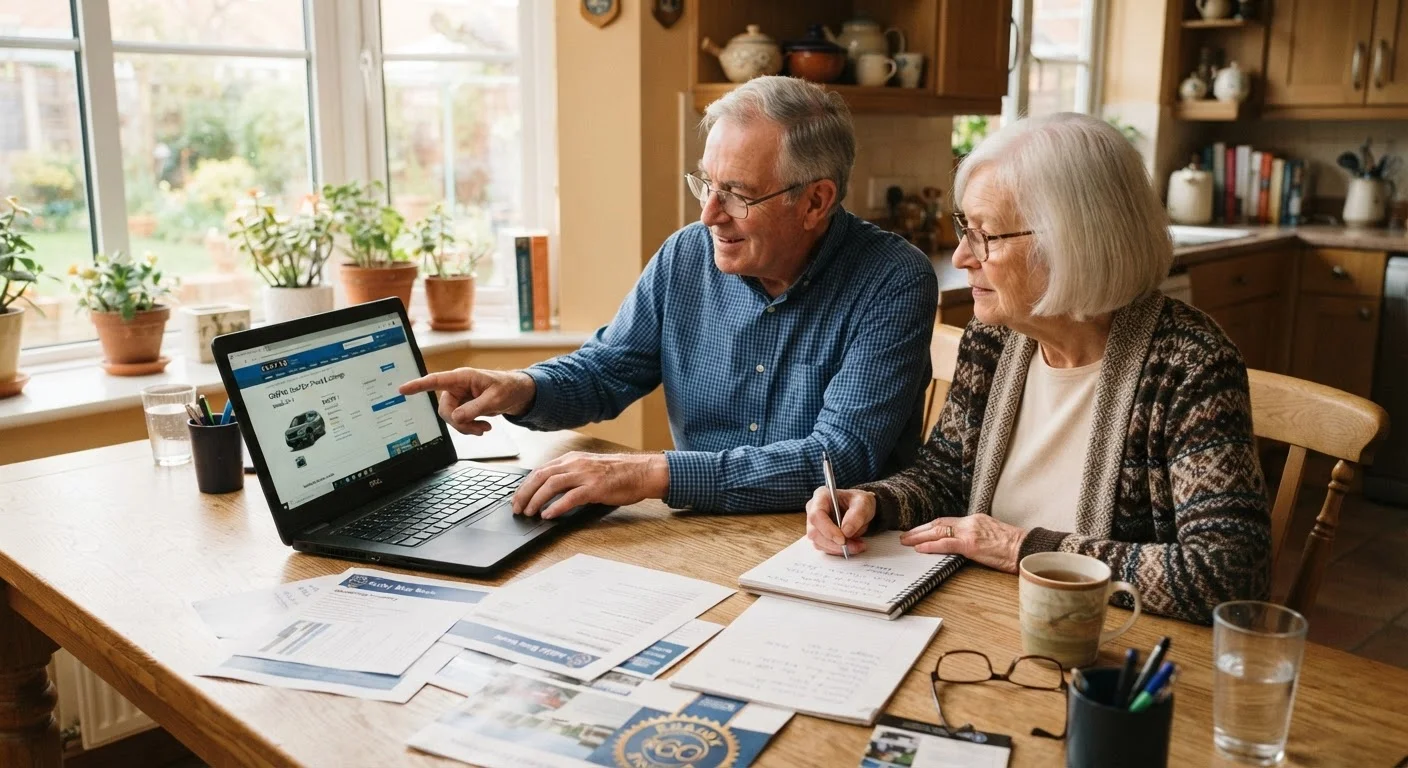
Print or save your research before visiting a dealership or meeting a private seller.
Having documentation in hand keeps you grounded during a sales conversation and signals to sellers that you've done your homework. It also gives you something concrete to reference if a seller disputes your price expectations. This is one of the most direct ways to stay in control of the conversation.
Fair Market Value Is a Range, Not a Single Number
Pricing tools give estimates based on recent sales data, regional demand, and vehicle condition — but they are not guarantees. Two identical cars in the same city can sell for different prices depending on the seller, trim level, and service history. Use these numbers as a benchmark, not an absolute.
Once you have a solid value estimate, the next step is comparing it to real listings near you. That combination — a pricing benchmark plus local market data — gives you the clearest picture of what's fair in your area. You can read more about this approach in our guide to researching a fair price before you visit the lot.
Quick Steps You Can Take Today
You don't need to wait until you're ready to buy to start building your pricing knowledge. Even a brief session with a pricing tool gives you a realistic sense of what vehicles in your target range actually cost.
Use Dealer Retail vs. Private-Party Values Correctly
Pricing tools typically show two numbers: dealer retail (what a lot can charge) and private-party value (what an individual seller should ask). If you're buying from a dealer, the dealer retail figure is the relevant ceiling. If you're buying from a private seller, the private-party value is your benchmark. Mixing these up can lead you to accept a price higher than the market supports.
After you've done your pricing homework, use our pre-purchase checklist for seniors to assess condition and history before signing anything. And when you're ready to discuss price with a seller, negotiating a fair price without feeling pressured walks you through that conversation step by step.
This article is for general informational and educational purposes only. Vehicle prices vary by region, condition, and market conditions. Consult a trusted mechanic or automotive professional before making a purchase decision.
The content on this site is for informational purposes only and is not a substitute for professional advice. Always consult a qualified professional for guidance specific to your situation.