

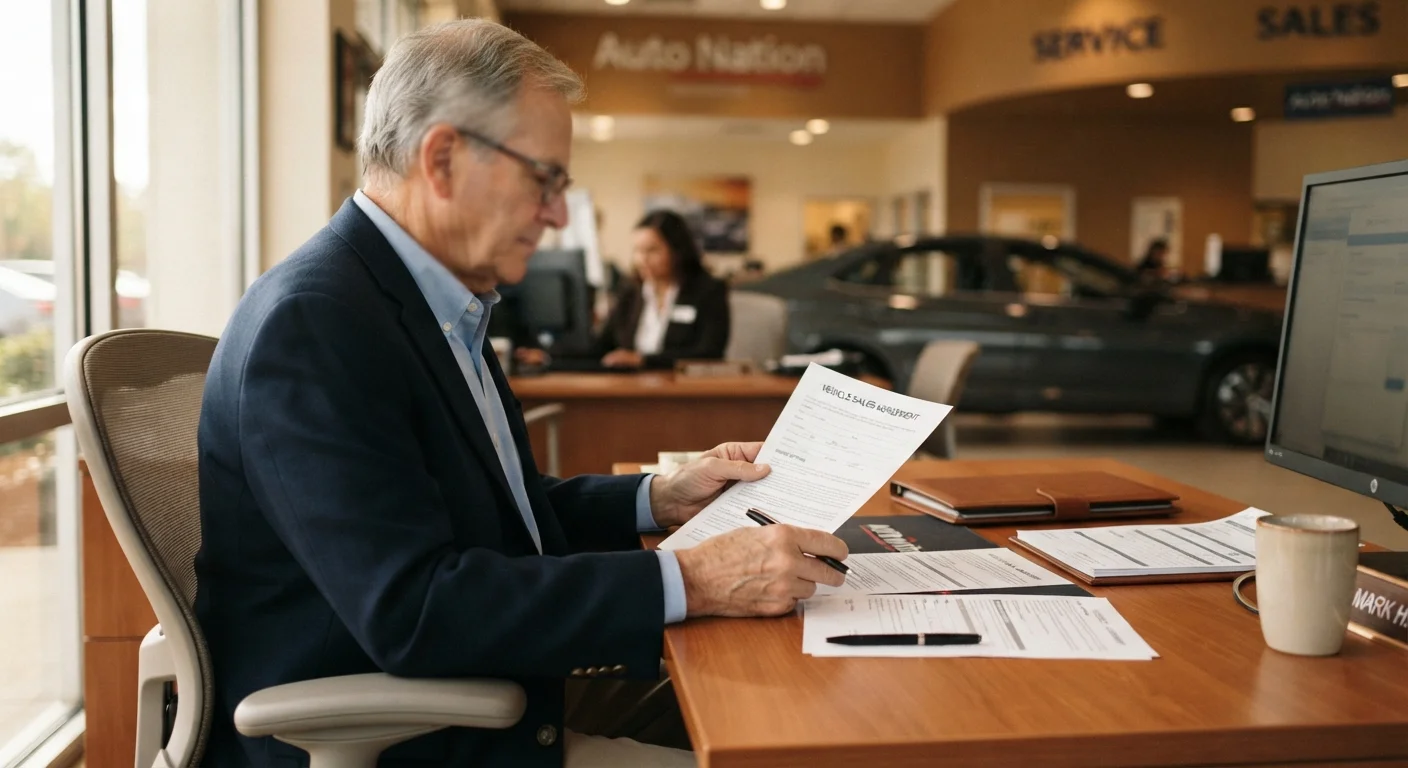
Why Preparation Is the Foundation of Every Successful Negotiation
Many seniors approach a dealership visit with some anxiety — and that's understandable. The environment is designed to move deals forward quickly. But arriving prepared fundamentally changes the dynamic in your favor. When you know what a fair price looks like, you're negotiating from a position of knowledge rather than guessing.
Before you set foot in a showroom, use publicly available pricing tools to look up the typical transaction prices for the vehicle you're considering in your region. Sites that aggregate real sales data can give you a realistic range. Understanding the difference between the sticker price (the manufacturer's suggested retail price, or MSRP) and what buyers actually pay helps you frame a reasonable opening position.
For a comprehensive overview of every stage in the process, see our complete car-buying walkthrough for seniors, which covers budgeting through registration in one place.
Protecting Your Budget: Price vs. Monthly Payments
One of the most common — and costly — missteps in any car negotiation is allowing the conversation to shift from the vehicle's total price to a monthly payment figure. These are not the same thing. A lower monthly payment can easily mask a higher overall cost if the loan term is extended.
Always anchor the negotiation to the out-the-door price: the final total including taxes, fees, and any add-ons, before financing is introduced. Once that number is agreed upon, financing terms can be discussed separately.
Our editorial guide on negotiating vehicle price versus monthly payments explains this distinction clearly and is worth reviewing before you visit a dealership. For broader context on structuring a purchase within your means, the Financing & Budgeting hub provides useful foundational guidance.
Staying Calm and In Control During the Visit
High-pressure sales environments rely on time and emotion to close deals. Knowing this gives you a practical advantage: you can deliberately slow things down.
If a salesperson uses urgency language — suggesting that a price expires today, or that another buyer is interested — treat that as a reason to pause, not accelerate. Asking specific, deliberate questions is one of the most effective ways to slow the pace of a negotiation and clarify exactly what you're being offered.
It's also worth knowing which approaches tend to create problems. Common missteps — like mentioning your trade-in too early or focusing only on monthly payments — are covered in our piece on negotiation approaches that tend to backfire.
The Power of Walking Away — and Other Low-Pressure Tools
Leaving without a deal is not a failure. It is, in fact, one of the most effective negotiating moves available to any buyer. Dealerships are aware that a serious shopper who walks away may not return — and many will follow up with an improved offer. Our article on why walking away is a legitimate negotiation tool explains when and how to use this approach without burning bridges.
If you find the face-to-face dynamic uncomfortable, you're not alone. Many buyers prefer a calmer conversational style. The low-pressure negotiation approaches guide is specifically designed for buyers who want to reach a fair deal without confrontation. For a full procedural overview from research to signing, the dealership negotiation walkthrough is a practical companion resource.
Finally, consider bringing a trusted friend or family member. A second set of eyes on the paperwork — and a second opinion on the offer — is always appropriate, and no reputable dealership should object to it. For used vehicle shoppers, our guide to negotiating used car prices without confrontation addresses the specific dynamics of pre-owned purchases.
“The best negotiators are patient ones. Time is almost always on the buyer's side — a seller who wants to close a deal today is more motivated than one who can wait a week.”
— Consumer advocacy perspective, automotive negotiation guidance, General principle cited across consumer education resources on vehicle purchasing
The content on this site is for informational purposes only and is not a substitute for professional advice. Always consult a qualified professional for guidance specific to your situation.