

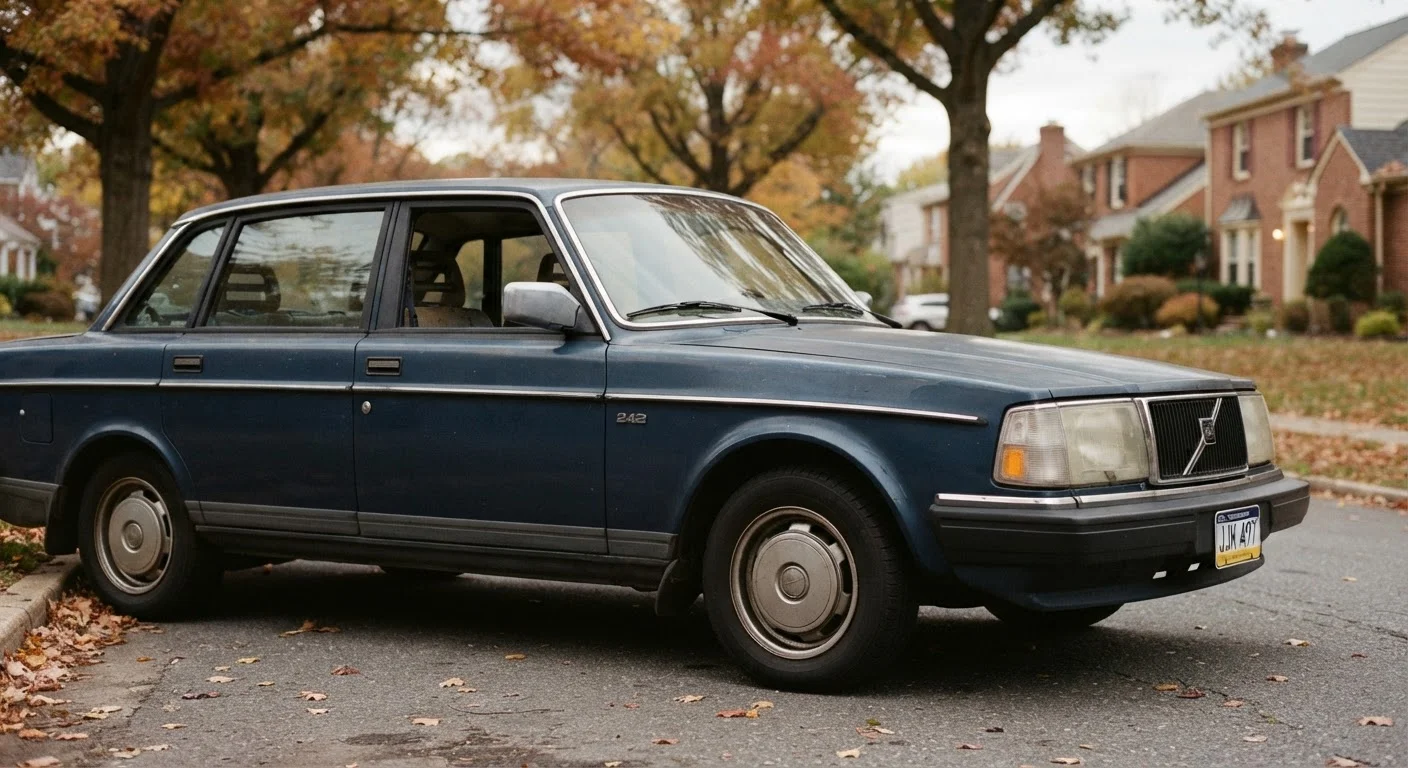
Option A
Agreed Value
A fixed payout amount locked in when you take out the policy.
Best for: Owners of classic, collectible, or low-depreciation vehicles who want certainty about what they'll receive after a total loss.
Option B
Market Value
A payout based on what your car was worth just before the loss occurred.
Best for: Owners of everyday vehicles who want straightforward, lower-cost coverage tied to the car's current condition and depreciation.
Why the Valuation Method Matters at Claim Time
When an insurer declares your vehicle a total loss — whether from a collision, fire, flood, or theft — the method used to calculate your payout can vary considerably depending on your policy. Two common approaches are agreed value and market value (sometimes called actual cash value, or ACV). Understanding the difference before you choose coverage is far more useful than discovering it after a loss.
For seniors who own an older vehicle, this question is particularly relevant. Older cars depreciate at different rates, and some hold value — or even appreciate — in ways that a standard market calculation won't capture. If your policy uses a method that undervalues your car, you may find the payout isn't enough to replace it with something comparable.
This article explains how each method works, what the trade-offs are, and what questions to ask your insurer or agent. It is general educational information — not personalised insurance or financial advice. Always consult a licensed insurance professional about your specific situation.
| Criterion | Agreed Value | Market Value (ACV) |
|---|---|---|
| Payout at total loss | Pre-set fixed amount | Current market value minus depreciation |
| Depreciation deducted | No | Yes |
| Appraisal required | Usually yes | No |
| Premium cost | Generally higher | Generally lower |
| Claim-time negotiation | Minimal — amount is set | Possible — valuation can be disputed |
| Best suited for | Classic, collectible, or restored vehicles | Everyday older vehicles |
| Availability | Not offered by all insurers | Standard across most policies |
How Agreed Value Works
With an agreed value policy, you and the insurer settle on a fixed dollar amount for your vehicle before the policy takes effect. If the car is declared a total loss during the policy period, you receive that agreed amount — no depreciation deducted, no negotiation at claim time.
To reach that figure, the insurer typically requires a professional appraisal. For classic or collectible vehicles, specialist appraisers familiar with those markets are usually used. The agreed amount is then written into your policy documents. Premiums are generally higher than for market value coverage, reflecting the insurer's increased certainty of payout.
One important nuance: agreed value is not the same as stated value, a term some insurers use. Stated value policies may still allow the insurer to pay actual cash value if that figure is lower than the stated amount — so read the policy language carefully. If you're comparing policies, ask specifically whether the amount is guaranteed or merely the maximum the insurer will pay.
For owners of well-maintained or restored older vehicles, agreed value can provide meaningful peace of mind. See our guide on how mileage, age, and condition affect value for background on the factors an appraiser is likely to consider.
How Market Value (Actual Cash Value) Works
Market value — or actual cash value — reflects what your car was worth in the open market immediately before the loss. Insurers generally base this on established pricing guides, dealer data, and comparable sales in your area, then subtract for depreciation and condition.
For most ordinary older vehicles, this method is the default. It's also the most common source of surprise at claim time: owners sometimes expect a payout based on what they paid or what they've spent on the car, while the insurer is calculating what a buyer would have paid for it the day before the accident.
~15–25%
Typical first-year vehicle depreciation
Industry estimates suggest most new vehicles lose roughly 15–25% of their value within the first year, with cumulative depreciation often reaching 50% or more by year five.
Varies widely
ACV gap vs. replacement cost
The difference between actual cash value and the cost to replace a vehicle with a comparable one can be substantial for older models, particularly in periods of elevated used-car prices.
Depreciation is the key variable. A ten-year-old everyday sedan may have depreciated to a point where the market value payout is modest — possibly not enough to replace the vehicle with an equivalent one. That reality is worth factoring into your coverage decisions, especially if keeping the car on the road is important to you.
If you're weighing whether to carry comprehensive and collision on an older car at all, our article on the pros and cons of dropping collision or comprehensive on an older car walks through the genuine trade-offs.
Questions to Ask Before You Decide
Choosing between agreed value and market value coverage starts with a clear-eyed view of what your vehicle is actually worth — and what it would cost to replace it. A few useful questions to guide that assessment:
- What does the current market say your car is worth? Resources like NADA Guides and similar valuation tools can provide a baseline. Our article on smart ways to research fair market value covers practical research methods.
- Has the vehicle been restored, modified, or exceptionally well maintained? If so, standard market valuations may not reflect that investment.
- Can you afford to replace the car if the payout falls short? If a market value payout would leave a meaningful financial gap, agreed value may be worth the additional premium cost.
- Is agreed value actually available for your vehicle? Not every insurer offers agreed value coverage for all vehicle types, and eligibility criteria vary.
Older car ownership involves a range of financial considerations beyond insurance. If you're deciding whether an older vehicle makes sense overall, our overview of when an older car ends up costing more than a newer one is a useful companion read.
Stated Value Is Not the Same as Agreed Value
Some insurers use the term 'stated value' in ways that can be confused with agreed value. Under a stated value policy, the insurer may still pay whichever is lower — the stated amount or actual cash value — at claim time. This is a meaningful distinction. If certainty of payout matters to you, confirm in writing whether the amount in your policy is guaranteed or is simply the maximum the insurer will consider.
This article is general information only and does not constitute personalised insurance, financial, or legal advice. Policy terms, coverage availability, and eligibility vary by insurer and by state. Read your policy documents carefully and speak with a licensed insurance agent about your specific situation.
The content on this site is for informational purposes only and is not a substitute for professional advice. Always consult a qualified professional for guidance specific to your situation.