

Why 'Senior-Friendly' Is About Design Choices, Not Marketing
No regulator issues a 'senior-friendly' certification, and automakers rarely use that phrase themselves. Instead, the concept describes a constellation of engineering and ergonomic decisions that, taken together, make a vehicle noticeably easier for older adults to use safely and comfortably day to day.
The relevant features cluster around four areas: how easily you can get in and out, how well you can see the road and surroundings, how intuitively the controls work, and how reliably the vehicle's safety systems support the driver. Understanding each area helps you evaluate any new model on its genuine merits rather than on marketing language.
For a broader perspective on navigating today's new-car market as an older driver, see The Complete Picture: Navigating New-Car Options as an Older Driver.
Entry, Exit, and Seat Comfort
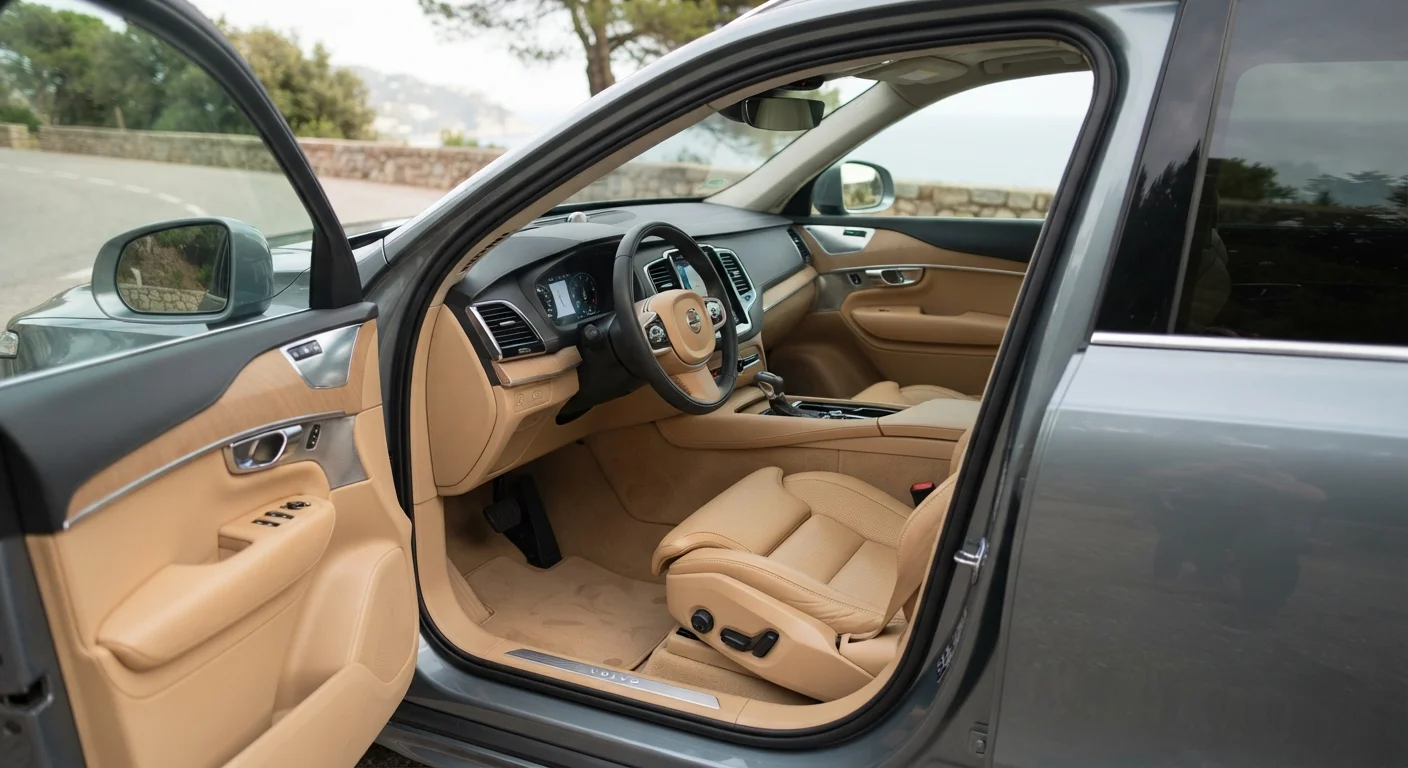
The physical act of getting into and out of a vehicle is where many older drivers first notice strain. Door opening width, seat height, and the presence of a grab handle near the door frame all influence how much effort is required.
Crossovers and mid-size SUVs tend to offer seat heights that align closely with the hip when standing — typically between 20 and 26 inches from the ground — which minimizes bending. Low-slung sedans require a deeper descent, while tall pickup trucks often require a step up that can challenge anyone with reduced leg strength or balance.
Once seated, adjustability matters. Power seats with lumbar support, adjustable seat bolsters, and a telescoping (sliding) steering column let drivers of varying heights and body types find a position that reduces fatigue. A well-designed seat distributes weight evenly, which makes a meaningful difference on longer journeys.
Make the Test Drive Count
When evaluating any new vehicle, bring a list of specific comfort checks: try getting in and out several times, adjust all seat controls, operate the climate and audio system without looking at the screen, and test the view from mirrors and the backup camera. A 15-minute drive around a dealership lot won't reveal everything — ask if you can take the vehicle on a route that includes highway speeds and a parking maneuver.
For a detailed look at how these entry and seating design elements work in practice, the article on vehicle features that reduce physical strain for older drivers covers the topic thoroughly.
Visibility and Control Layout
Age-related changes in vision — including reduced contrast sensitivity and a narrower field of view — make outward visibility one of the most consequential design factors for older drivers. Vehicles with a low beltline (the line where the windows begin), large side mirrors, and a wide rear window support easier scanning of traffic and parking environments.
Rearview cameras and 360-degree surround-view systems have become standard or near-standard on many new models, providing a significant practical benefit. Blind-spot monitoring indicators positioned in or near the side mirrors — rather than requiring a glance at a screen — are easier to catch in peripheral vision.
Control layout is equally important. Dashboards that rely heavily on deep touchscreen menus for functions like climate, audio, and navigation force drivers to look away from the road for longer periods. Physical knobs and buttons for the most frequently used controls reduce this risk. Clear, high-contrast labeling on buttons and a readable instrument cluster — ideally with large font sizes and minimal clutter — further ease the cognitive load of driving.
Touchscreens Vary Widely in Practice
Not all touchscreen interfaces are equally difficult. Some manufacturers design their systems with large icons, simple top-level menus, and voice control that genuinely reduces distraction. Others bury common functions deep in submenus. Evaluating the specific software system in any vehicle you're considering — not just the presence or absence of a screen — gives a much clearer picture of day-to-day usability.
Driver-Assist Safety Technologies
Modern driver-assistance systems can meaningfully support older drivers as reaction times naturally lengthen with age. The most relevant include automatic emergency braking (which can apply the brakes faster than most drivers react), rear cross-traffic alert (useful in busy parking lots), lane-keeping assist, and adaptive cruise control.
These systems don't replace attentive driving, but they provide an additional layer of protection that can reduce the severity of common incidents. It's worth noting that not all implementations of these features work equally well — during any test drive, spending time understanding how alerts are presented (audible tones, visual indicators, or seat vibrations) helps determine whether the system will be intuitive for your driving style.
40%
Of licensed U.S. drivers aged 65 or older
According to the Federal Highway Administration, adults 65 and older represent a substantial and growing share of licensed drivers in the United States.
70%+
New vehicles with standard automatic emergency braking
Following a voluntary agreement between automakers and U.S. safety regulators, automatic emergency braking became standard on a large majority of new vehicles sold in the United States.
For guidance on evaluating these features before making a purchase, evaluating comfort and access features when shopping for a senior-friendly car offers a structured approach to the test-drive process. You can also explore related topics through the Senior Safety Features hub.
Small design decisions also accumulate into a daily experience. Before committing to a new model, it's worth reviewing overlooked details that make new cars harder to live with day to day — things like glare from dashboards or awkward storage placements that only become apparent over time.
Frequently Asked Questions
Vehicles with a seat height roughly level with the hip — often found in crossovers and SUVs — tend to require the least bending and lifting. Sedans sit lower and can be harder to exit gracefully, while very tall trucks may require a step up. The best fit depends on the individual's mobility and strength.
They can be. Large touchscreens that replace physical knobs and buttons for essential functions like volume and climate control require the driver to look away from the road longer. Vehicles that retain dedicated physical controls for frequently used functions are generally easier and safer to operate.
Automatic emergency braking, rear cross-traffic alert, blind-spot monitoring, and lane-keeping assist are widely regarded as high-value features for older drivers. These systems help compensate for slower reaction times and reduced peripheral vision without requiring any action from the driver.
No. That designation doesn't exist as a formal certification. What matters is evaluating individual features — seat height, visibility, control layout, driver-assist technology — against your own comfort and mobility needs during a proper test drive.
Yes. Aftermarket and dealer-fitted aids such as swivel seat cushions, grab handles, and steering wheel covers can meaningfully improve daily comfort. See our guide on <a href="/car-accessories/comfort-mobility-aids/comfort-mobility-aids-for-senior-drivers-what-they-are-and-why-they-matter">comfort and mobility aids for senior drivers</a> for a full overview of available options.
Very important. Power-adjustable seats with lumbar support allow fine-tuning for back health and driving posture. Multiple adjustment directions — height, tilt, fore-aft, and lumbar — mean drivers of different statures can find a position that reduces fatigue on longer trips.
The content on this site is for informational purposes only and is not a substitute for professional advice. Always consult a qualified professional for guidance specific to your situation.