

Why Sedans Still Deserve Attention
The crossover and SUV segment may dominate showroom floors, but sedans continue to offer genuine advantages for many older drivers: a lower center of gravity for confident handling, a smoother ride on highway surfaces, and — in well-designed models — surprisingly easy entry and exit. The key is knowing which features to prioritize and which compromises to watch for.
This list examines sedan characteristics worth evaluating closely, focusing on comfort, visibility, and the driver-assist technologies that matter most. For a broader comparison of how sedans stack up against SUVs on criteria like seat height and cargo access, see SUVs vs. Sedans: Which New Models Suit Older Drivers Better.
Features Vary by Trim Level
Not every feature listed in this article will be available on every trim level or configuration of a given sedan. Manufacturers often reserve adjustable lumbar support, power seats, or certain driver-assist features for higher trims. Always confirm which features are included in the specific trim you're considering, and ask the dealer for a printed features list to compare across options.
Sedan Features Worth a Closer Look
Wide Door Openings and Low Sill Heights
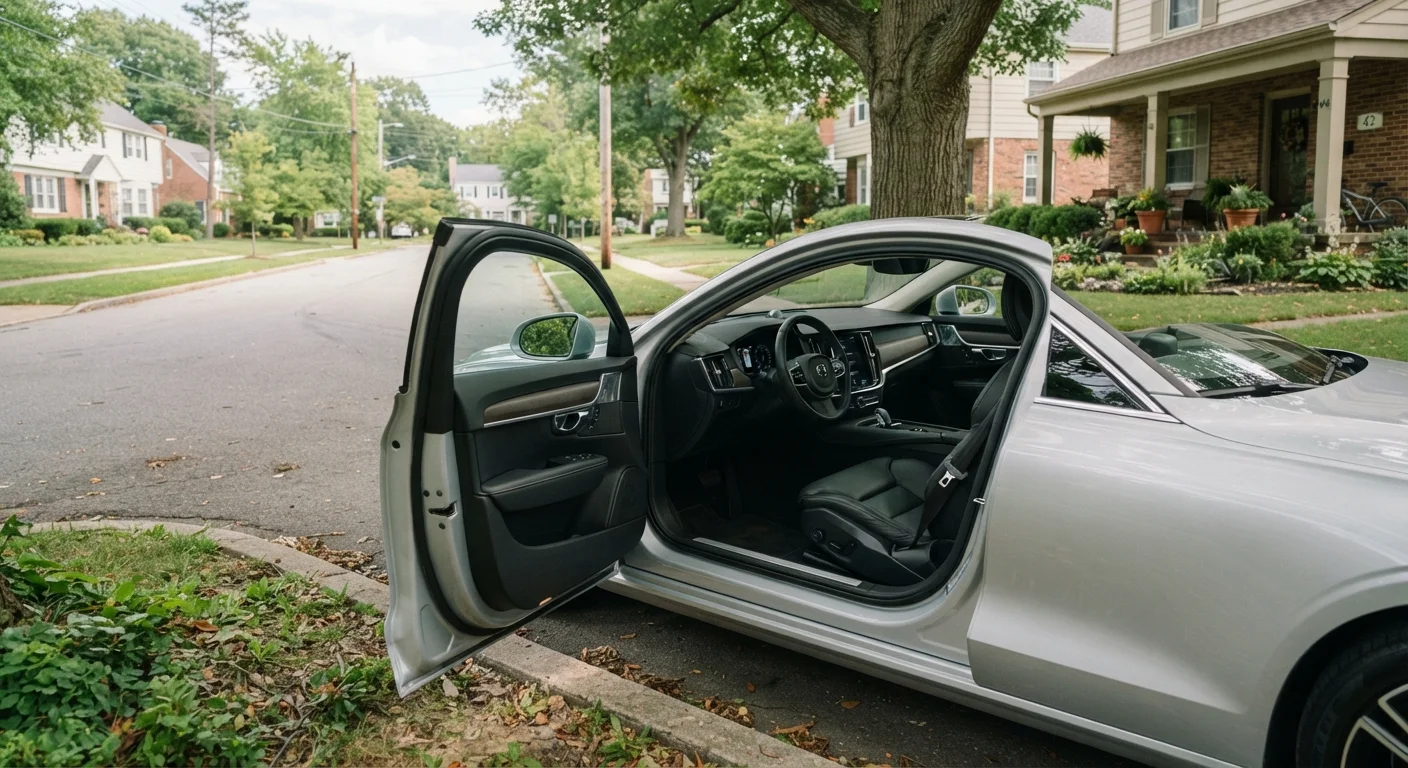
One of the most practical measurements seniors rarely think to check is door aperture width and sill height — the raised ledge you step over when entering. A wide door opening allows you to swing your legs in without twisting awkwardly, while a low sill minimizes the lift required. Some newer sedans have redesigned their door geometry specifically to improve this entry angle, making a noticeable difference compared with models from even five years ago.
When visiting a showroom, open the door fully and note whether it stays open without requiring constant pressure. Check whether the sill forces you to lift your foot high or step over an obstacle.
A low door sill and wide opening can make sedan entry nearly effortless for older drivers.
Large Greenhouse and Thin Roof Pillars
The "greenhouse" refers to the glass area surrounding the passenger compartment. Sedans with a generous greenhouse — large windows and relatively thin roof pillars — provide broader sightlines and reduce blind spots. This matters most at intersections, during lane changes, and when reversing. High beltlines (the lower edge of the window glass) have become a styling trend that unfortunately limits visibility; lower beltlines allow you to see more of what's alongside the vehicle.
For a thorough guide on assessing visibility from the driver's seat, including how thick pillars and high beltlines affect your field of view, visit Visibility from the Driver's Seat.
Thin pillars and a large glass area let you see clearly in all directions — a critical safety factor.
Power-Adjustable Seats with Lumbar Support
Manual seat adjustments require physical effort and rarely achieve the precise positioning that protects your back over a long drive. Power-adjustable seats — especially those with multiple memory positions — let you find your ideal posture quickly and return to it effortlessly. Adjustable lumbar support (the curvature in the lower seatback) is equally important; without it, longer journeys can cause significant lower-back discomfort.
Look for seats that adjust not just forward and back, but also for height and tilt. Some sedans now include thigh extension — a cushion extension beneath your legs — which reduces pressure on the backs of the knees. These features increasingly appear on mid-range trims, not just premium configurations. Learn more about assessing seat ergonomics at Comfort & Easy Access.
Power-adjustable lumbar support reduces fatigue and back strain on drives of any length.
Standard Driver-Assist Safety Technology
Many newer sedans now include a suite of driver-assistance features as standard equipment rather than costly add-ons. The most relevant for older drivers include: automatic emergency braking (the car can apply brakes if a collision is imminent), blind-spot monitoring (a warning when a vehicle is in your blind spot), lane-keeping assist (gentle steering correction if you drift), and rear cross-traffic alert (warns of approaching vehicles when reversing).
Confirm which features come standard on the trim you're considering rather than assuming all are included. The Senior Safety Features hub covers which technologies matter most and how to evaluate them. For a comprehensive overview of navigating today's new-car market, see The Complete Picture: Navigating New-Car Options as an Older Driver.
Driver-assist technologies are increasingly standard — verify which are included before comparing trim prices.
Intuitive Controls and Clear Instrumentation
Touchscreen-heavy interiors can be distracting and frustrating, particularly for drivers who prefer physical knobs and buttons for climate and audio controls. When evaluating a sedan, spend time with the infotainment system: Can you adjust the temperature without looking away from the road? Are menu layers logical, or does finding a simple function require multiple taps?
Clear, high-contrast instrument clusters — whether analog or digital — are also important. Digital displays that allow you to enlarge font sizes or simplify readouts are a notable advantage. Navigation systems with voice control can reduce the need to interact with the screen while moving. These details accumulate into a significantly more relaxed driving experience.
Physical climate controls and readable displays reduce distraction and help drivers stay focused on the road.
Ride Comfort and Noise Insulation
Sedans tend to sit lower to the ground than crossovers, which generally translates to better handling stability. However, suspension tuning varies considerably: some models prioritize a firm, sporty feel, while others are calibrated for a more cushioned ride over uneven pavement. For seniors, the latter is typically preferable, particularly if joint sensitivity or back conditions are a factor.
Cabin noise insulation — sometimes called NVH treatment — also varies. A quieter cabin is less tiring on longer drives and makes conversation and audio easier to hear. On a test drive, deliberately seek out a rough patch of road and a highway section to assess both.
A well-insulated, softly sprung sedan reduces both physical fatigue and driving stress on everyday roads.
Test Drive on Familiar Road Types
When you arrange a test drive, ask to take the route you actually drive most — your neighborhood streets, a local highway stretch, or a parking garage. Real-world conditions reveal how a sedan handles visibility, ride comfort, and control intuitiveness far better than a standard dealer loop. Bring a trusted companion to observe how easily you enter and exit, and to give feedback from the passenger seat.
Making the Right Choice for You
No list of features replaces sitting in the driver's seat yourself. Adjusting the mirrors, checking rear visibility, reaching the controls, and taking a test drive on roads you actually use are irreplaceable steps. Our showroom walkthrough checklist walks you through exactly what to assess before you sign anything.
If you want to deepen your understanding of what separates a genuinely senior-friendly vehicle from one that merely looks comfortable, What Makes a New Car Model 'Senior-Friendly'? covers the design principles in detail. For a structured approach to evaluating ergonomics and cabin access, Evaluating Comfort and Access Features provides a practical framework.
This article is for general informational and educational purposes only. Vehicle features, specifications, and available technologies vary by manufacturer, model year, trim level, and market. Always verify details with a dealership and conduct your own in-person evaluation before making any purchasing decision.
The content on this site is for informational purposes only and is not a substitute for professional advice. Always consult a qualified professional for guidance specific to your situation.