

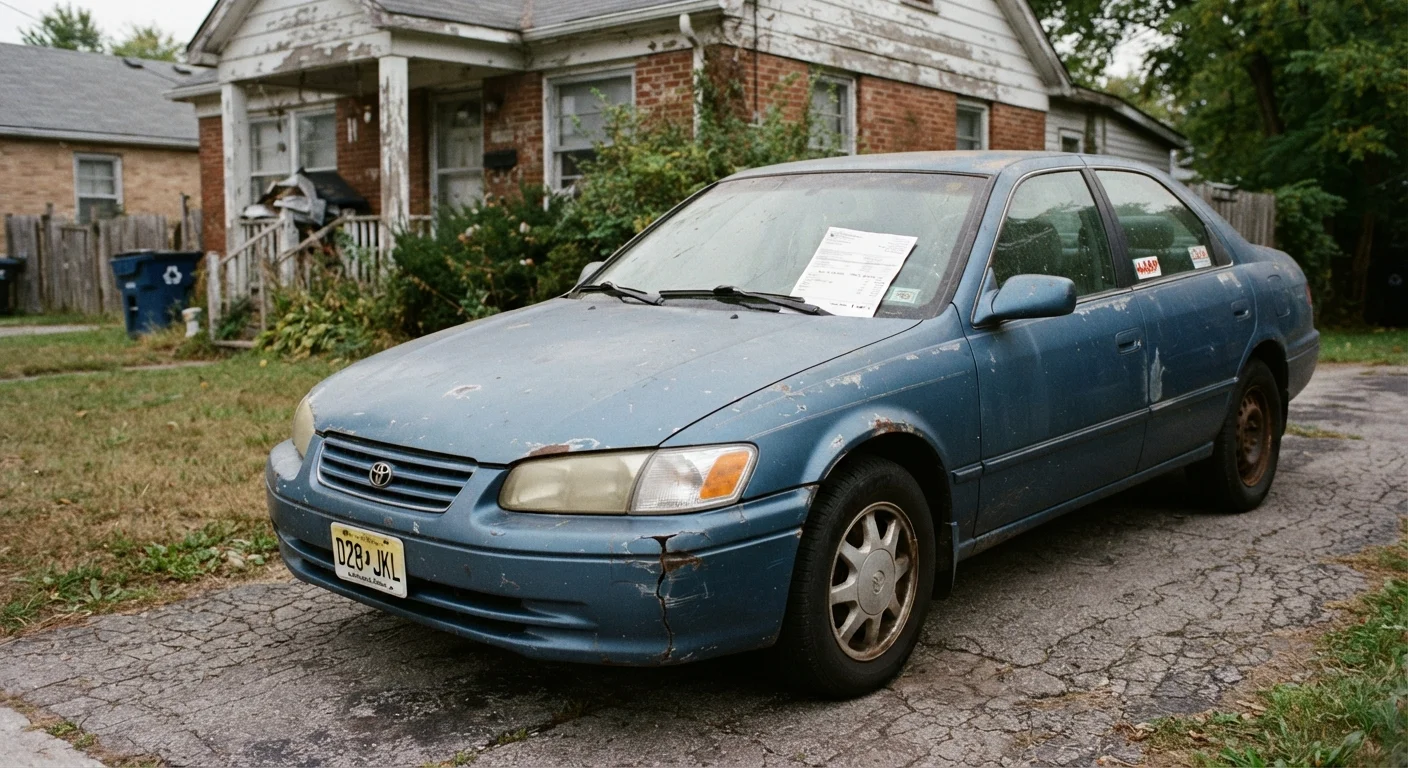
Why the Purchase Price Is Only the Beginning
For many seniors shopping on a budget, an older car priced at a few thousand dollars can feel like a financially responsible choice. But the purchase price is only one part of what a vehicle actually costs to own. Fuel efficiency, insurance premiums, registration fees, and — most critically — repair frequency can transform an apparent bargain into a significant financial drain.
Understanding the full picture of vehicle ownership costs is essential before committing to any purchase. A car that requires $2,000 in repairs within the first year of ownership may have been cheaper to avoid altogether, even if a newer alternative carried a higher sticker price.
This is not an argument against used cars — many offer genuine value. It is an argument for looking past the price tag and asking the right questions before signing anything.
~$1,986
Average annual car repair cost per U.S. vehicle
According to AAA's annual "Your Driving Costs" research, vehicle maintenance and repair costs vary significantly by age and model, with older vehicles typically trending higher.
3x
Higher repair frequency on high-mileage older vehicles
Consumer reliability surveys consistently show vehicles with over 100,000 miles experience repair incidents at meaningfully higher rates than lower-mileage counterparts of the same model year.
Common Mistakes That Turn an Older Car Into a Financial Burden
The errors below are not signs of carelessness. They reflect assumptions that seem reasonable on the surface but regularly lead to unexpectedly high ownership costs — particularly for seniors managing a fixed income.
Choosing a vehicle based on purchase price alone without estimating ongoing costs.
Why it happens: A low asking price creates a strong psychological anchor, making it easy to overlook what the car will cost month-to-month after the sale.
Skipping a pre-purchase inspection by an independent, qualified mechanic.
Why it happens: Buyers often trust a seller's assurances or feel awkward requesting an inspection, especially in private-party transactions.
Ignoring high mileage as a significant risk factor for older vehicles.
Why it happens: Mileage is sometimes dismissed with phrases like "it's been well maintained," which may be true but doesn't eliminate the statistical reality that heavily used components wear out.
Overlooking parts availability for older or discontinued vehicle models.
Why it happens: Buyers rarely think about parts availability until something breaks, at which point sourcing components can be slow, expensive, or both.
Underestimating how deferred maintenance by a previous owner accumulates into large repair bills.
Why it happens: A vehicle history report shows ownership and accident records but rarely captures whether routine services — oil changes, brake flushes, coolant replacement — were performed on schedule.
What to Prioritize Instead
Avoiding these mistakes comes down to shifting focus from what a car costs to buy to what it will cost to own and operate reliably. For seniors, that calculation should also account for comfort, accessibility, and safety features that reduce driving stress and physical strain.
Modern safety technologies — such as automatic emergency braking, rear cross-traffic alerts, and lane-keeping assistance — are rarely found on older budget vehicles. Their absence can represent a meaningful risk gap, not just a missing convenience. What reliability truly means for seniors on a fixed income goes well beyond brand reputation and into the real-world cost of keeping a vehicle on the road.
Before purchasing any used vehicle, consider requesting a vehicle history report, arranging an independent mechanical inspection, and comparing estimated annual maintenance costs. Spotting hidden costs before buying a used car can save thousands and prevent months of stressful, unplanned repair bills.
Older Vehicles and Safety Feature Gaps
Many vehicles built before the mid-2010s lack safety systems now considered standard — including automatic emergency braking, blind-spot monitoring, and backup cameras. For seniors, these omissions are not merely inconvenient; they can represent a genuine increase in collision risk. Factor the absence of these features into your total cost-benefit evaluation, not just the mechanical condition of the car.
Finally, think carefully about insurance coverage relative to the vehicle's actual market value. Dropping collision or comprehensive coverage on an older car may seem like a way to reduce costs, but it carries real risk if the car is your primary transportation. Consulting a licensed insurance agent before changing coverage is always advisable.
The content on this site is for informational purposes only and is not a substitute for professional advice. Always consult a qualified professional for guidance specific to your situation.