

The Three Factors That Drive Used Car Prices
When you look at a used car listing, three numbers do most of the heavy lifting on price: mileage, model year, and overall condition. None of them works alone. A low-mileage car that sat unused for years isn't automatically a bargain, and a high-mileage vehicle with meticulous service records can be worth every dollar of its asking price. Understanding how these factors interact is the fastest way to tell whether a seller's price is reasonable — or not.
This is general pricing education, not a guarantee of any specific vehicle's value. Actual market prices vary by region, trim level, local demand, and other variables. For deeper research before you visit a dealership, see our guide to researching a fair price.
| Average US annual mileage | 12,000–15,000 miles per year (Federal Highway Administration data) |
| Steepest depreciation window | First 1–3 years of ownership (General industry estimate; varies by make and model) |
| Mileage threshold often used by buyers | Under 100,000 miles (Common market convention; not a guaranteed reliability cutoff) |
| Key condition documents to request | Service records, vehicle history report, inspection results |
| Who should perform a pre-purchase inspection | An independent, qualified mechanic — not the seller's shop |
How Each Factor Affects Price
Mileage
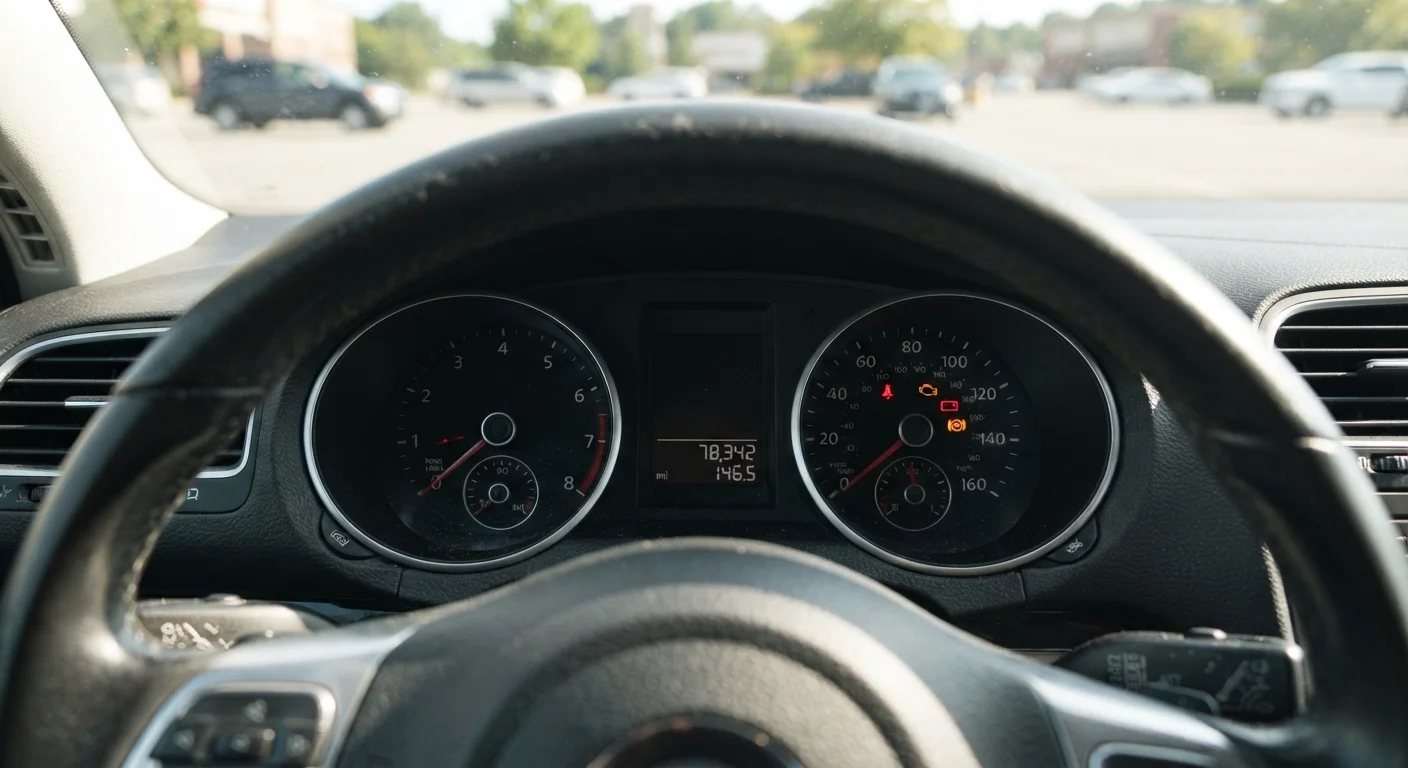
Mileage is a rough proxy for mechanical wear. In the US market, roughly 12,000–15,000 miles per year is considered average. A car with significantly fewer miles than that average for its age often commands a premium; one with far more miles typically sells at a discount. However, mileage alone can mislead. Highway miles are generally easier on an engine than the same count in stop-and-go city driving. Mileage vs. age is a nuanced trade-off worth understanding before you judge any listing.
Age (Model Year)
A vehicle loses value each year it ages, even if it never moves. Older model years may lack current safety features, face higher insurance costs, or have parts that are harder to source. On the other hand, a five- to seven-year-old vehicle that has already absorbed the steepest depreciation curve can represent solid value — if condition checks out. Comparing new and used cars can help clarify where age-related trade-offs make sense for your situation.
Condition
Condition covers mechanical health, interior and exterior wear, and documentation. A clean vehicle history report, consistent maintenance records, and a passing pre-purchase inspection all support a higher price. Rust, accident damage, or deferred maintenance justify a lower offer. A systematic inspection process helps you assess condition objectively before negotiating.
Depreciation
The reduction in a vehicle's dollar value over time. New cars typically lose the most value in their first few years, which is why well-maintained used vehicles often represent stronger dollar-for-dollar value.
Average Annual Mileage
In the US, the average driver covers roughly 12,000–15,000 miles per year. This benchmark helps buyers judge whether a used car has been driven more or less than expected for its age.
Vehicle History Report
A document compiled from public and insurance records that shows a vehicle's accident history, title status, odometer readings, and sometimes service events. Common providers include Carfax and AutoCheck.
Pre-Purchase Inspection (PPI)
An independent mechanical examination of a used vehicle performed by a qualified mechanic before you buy it. A PPI can reveal hidden problems not visible during a casual walk-around.
Market Value
The price a willing buyer and willing seller would agree on in an open market. Market value for a used car fluctuates based on mileage, age, condition, regional demand, and economic conditions.
Deferred Maintenance
Repairs or scheduled services that a vehicle owner has skipped or delayed. Deferred maintenance increases a car's operating risk and typically lowers its fair market value.
How the Three Factors Interact
Pricing a used car isn't a simple formula — it's a balancing act. Consider two examples:
- High mileage, good condition: A ten-year-old sedan with 130,000 miles but full service records, no accidents, and fresh tires may be priced fairly at a modest figure. The mileage discounts the price, but strong condition limits the discount.
- Low mileage, poor condition: A six-year-old SUV with only 28,000 miles sounds attractive until the inspection reveals rust on the undercarriage, cracked rubber seals, and no service history — signs of long-term inactivity. Low mileage isn't always the most important number, and this scenario is a prime example.
For a fuller picture of everything that feeds into a listing price — including regional demand and trim level — see what goes into the price of a used car. And if you ever need to understand how insurers value older vehicles after a loss, agreed value vs. market value is worth reading before you choose coverage.
This article provides general educational information about used car pricing factors. It is not a guarantee of any vehicle's market value, reliability, or condition. Always consult multiple pricing sources and have any vehicle inspected by a qualified mechanic before purchase.
The content on this site is for informational purposes only and is not a substitute for professional advice. Always consult a qualified professional for guidance specific to your situation.