

Our Verdict
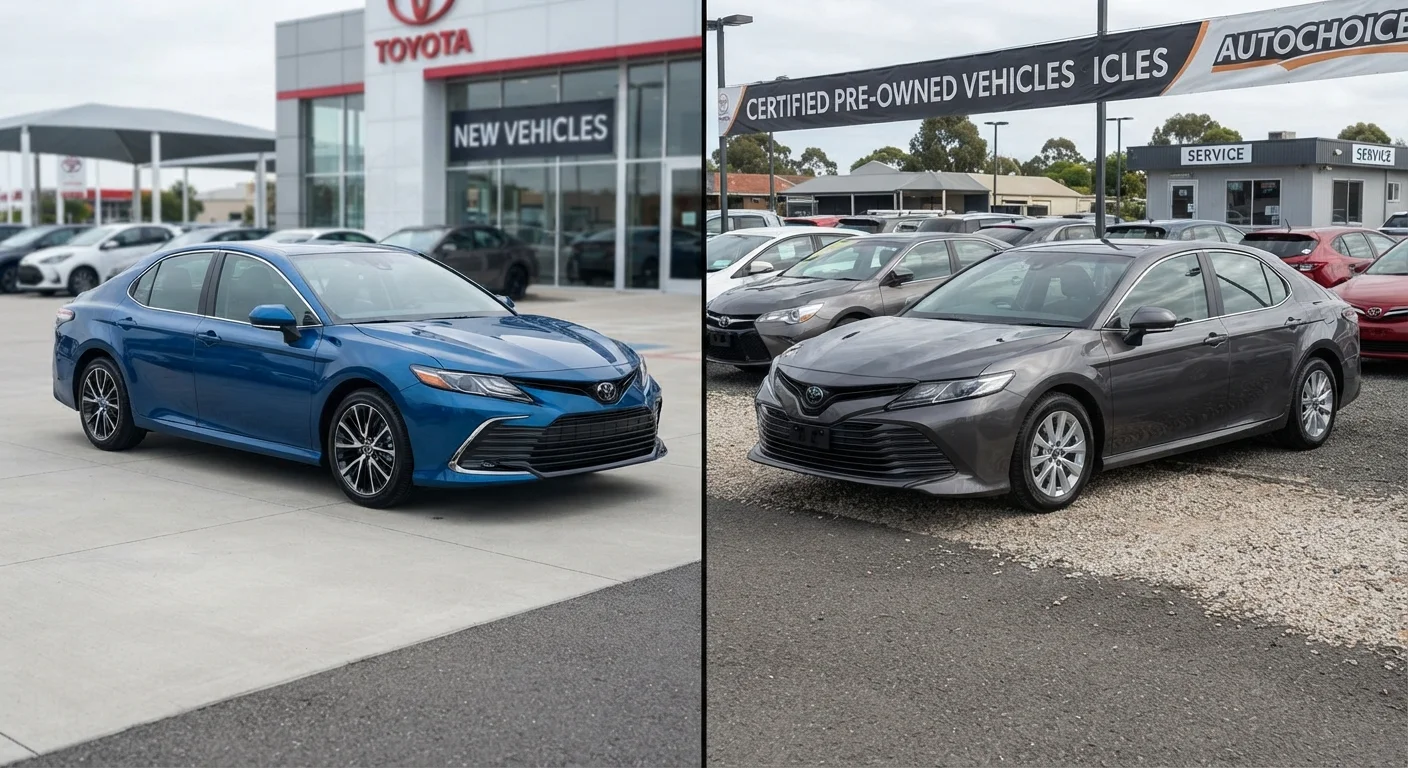
New vehicles offer the most predictable and comprehensive warranty protection, which can meaningfully reduce out-of-pocket repair risk in the early years of ownership. CPO vehicles occupy a solid middle ground, providing extended coverage with manufacturer backing on vehicles that have already experienced their steepest depreciation. Standard used vehicles carry the most financial uncertainty around repairs, though a pre-purchase inspection and a clear-eyed review of remaining factory coverage can reduce that risk.
| Best for | Recommended |
|---|---|
| Seniors who prioritize peace of mind and low maintenance surprises | New vehicle with full manufacturer warranty |
| Budget-conscious buyers who still want structured coverage | Certified Pre-Owned vehicle |
| Buyers comfortable managing repair risk independently | Standard used vehicle with pre-purchase inspection |
How New Vehicle Warranties Work
When you purchase a new car from an authorized dealership, it comes with a manufacturer's warranty — a written commitment from the automaker to repair certain defects at no charge to you for a defined period or mileage limit, whichever comes first.
Most new vehicles in the US include at least two layers of coverage:
- Bumper-to-bumper (comprehensive) warranty: Covers most vehicle systems — electrical, air conditioning, infotainment, and more — typically for three years or 36,000 miles.
- Powertrain warranty: Covers the engine, transmission, and drivetrain components for a longer period, often five to ten years or 60,000 to 100,000 miles depending on the manufacturer.
Some automakers also include roadside assistance and corrosion (rust-through) warranties. What is not covered is equally important: routine maintenance items like oil changes, brake pads, and tires are virtually never included, nor are repairs resulting from accidents or owner modifications.
3 yrs / 36K mi
Typical new-car bumper-to-bumper warranty
Most major automakers in the US offer at least this level of base coverage on new vehicles sold through authorized dealers.
5–10 years
Common powertrain warranty range on new cars
Powertrain warranties, covering engine and transmission, typically run longer than bumper-to-bumper coverage and vary by manufacturer.
For seniors, the predictability of a full manufacturer warranty can reduce stress and out-of-pocket expenses during the first years of ownership — a meaningful financial cushion on a fixed income.
What Used Cars Actually Come With
A standard used vehicle's warranty situation depends entirely on its age and mileage at the time of purchase. Three scenarios are common:
- Factory warranty still active: If the vehicle is within its original coverage period and you are the second owner, the powertrain warranty typically transfers; bumper-to-bumper coverage may or may not, depending on the manufacturer's terms.
- Factory warranty expired: No manufacturer coverage remains. Any repairs are your financial responsibility.
- Dealer-added warranty: Some independent dealers offer their own limited warranties (often 30–90 days), which are typically narrower in scope and backed only by the dealer — not a manufacturer.
The absence of structured coverage is one of the primary financial risks of buying a standard used vehicle. A major repair — a transmission replacement, for example — can cost several thousand dollars and arrive with little warning.
For a broader look at total ownership costs on used vehicles, see the Used Car Costs hub, which covers pricing, negotiation, and ongoing expenses. You can also explore what actually matters when choosing new vs. used as a senior buyer.
Extended Service Contracts Are Not the Same as Warranties
Dealers often offer extended service contracts — sometimes called 'extended warranties' — at the point of sale. These are separate financial products, not manufacturer warranties, and their coverage terms, exclusions, and claim processes vary considerably. Some contracts exclude pre-existing conditions or require repairs only at specific facilities. Read any service contract carefully and consider consulting a consumer protection resource before purchasing one.
Certified Pre-Owned: The Middle Ground
Certified Pre-Owned (CPO) programs sit between a standard used car and a brand-new purchase. Manufacturer-run CPO programs require vehicles to meet age and mileage limits, pass a multi-point inspection, and carry an extended warranty backed by the manufacturer — not just the selling dealer.
CPO vehicles typically cost more than comparable non-certified used cars, but the added price reflects real protections: a documented inspection history, extended powertrain or comprehensive coverage, and often included roadside assistance.
Not all CPO programs are equal. Dealer-certified programs — distinct from manufacturer CPO — may involve less rigorous inspections and warranties backed only by the selling dealership. Before relying on a CPO badge, confirm which entity is backing the warranty and what the inspection checklist actually covered.
See what CPO labels cover and what they don't for a detailed breakdown, and review the differences between CPO and standard used labels before making a decision.
| New Vehicle | Certified Pre-Owned (CPO) | Standard Used Vehicle | |
|---|---|---|---|
| Bumper-to-Bumper Coverage | Typically 3 yrs / 36,000 mi | Often 1–2 additional years | None (unless factory time remains) |
| Powertrain Warranty | Typically 5–10 yrs / 60,000–100,000 mi | Extended by manufacturer | Remainder of original only |
| Inspection Requirement | Not applicable — brand new | Multi-point inspection required | No standard requirement |
| Roadside Assistance | Usually included | Often included | Rarely included |
| Who Backs the Warranty | Manufacturer | Manufacturer | Dealer or none |
| Repair Cost Predictability | High — covered under warranty | Moderate — defined coverage terms | Low — buyer bears full risk |
Making the Warranty Decision Work for You
Warranty coverage is one factor in a broader financial picture that includes purchase price, insurance costs, and financing terms. A vehicle with strong warranty protection may cost more upfront but reduce total ownership cost if repairs would otherwise be frequent or expensive.
Consider these practical steps before deciding:
- Request the warranty document, not a summary. Marketing language can overstate coverage. The written contract is what matters legally.
- Check the remaining factory coverage. On any used vehicle, ask the seller to confirm the current mileage against the original warranty terms, and verify directly with the manufacturer if needed.
- Get a pre-purchase inspection for used vehicles. A qualified independent mechanic can identify existing issues that a warranty may exclude as pre-existing conditions.
- Understand what extended service contracts cover — and exclude. These are separate financial products with their own terms. General financial information on auto loan and purchase structures is available through financing comparisons for new and used cars.
Always Request the Warranty Document in Writing
Before you sign anything, ask for the full written warranty terms — not a summary sheet. Review what is explicitly excluded, as exclusions lists are often longer than coverage lists. If you're purchasing a CPO vehicle, confirm the warranty is manufacturer-backed rather than dealer-backed, as these carry different reliability guarantees. A licensed mechanic or consumer advocate can help you interpret the fine print if needed.
Insurance coverage requirements can also shift depending on whether a vehicle is new, CPO, or standard used — particularly around collision and comprehensive coverage. The insurance cost differences between new and used cars guide explains what changes and why.
This article provides general educational information about vehicle warranties and is not a substitute for reading actual warranty documents or consulting a licensed consumer advocate, attorney, or financial adviser about your specific situation.
The content on this site is for informational purposes only and is not a substitute for professional advice. Always consult a qualified professional for guidance specific to your situation.