

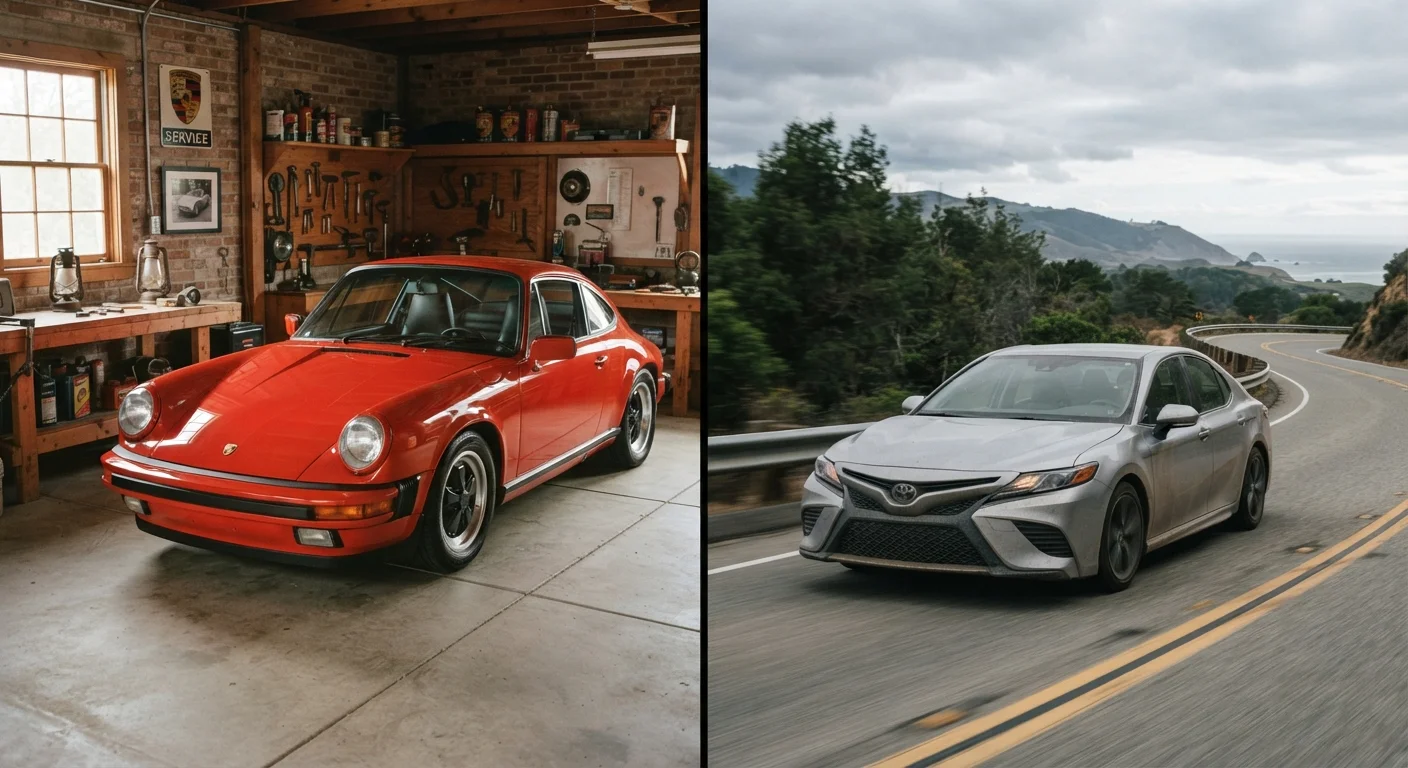
Why the Two Numbers Work Together
When you look at a used-car listing, two figures stand out immediately: the model year and the odometer reading. It is tempting to treat one as more important than the other, but experienced mechanics and automotive researchers consistently point out that the two factors interact. Weighing mileage against age is rarely an either/or question — context shapes what each number actually means.
A simple way to frame this: mileage measures mechanical wear, while age measures time-related deterioration. Both processes happen simultaneously, but at different rates depending on how the vehicle was used, maintained, and stored.
~12,000–15,000
Average annual miles driven in the US
The Federal Highway Administration tracks average annual vehicle miles traveled per driver; this range is widely used as a baseline when evaluating used-car mileage.
200,000+
Miles many modern engines can reach with proper maintenance
Consumer automotive research and long-term reliability studies suggest that consistent scheduled maintenance is a stronger predictor of longevity than mileage alone.
What Age Does to a Vehicle Independent of Miles
Many buyers focus on the odometer and overlook the calendar. But rubber compounds break down over time whether a car is driven or parked. Hoses, belts, door seals, and tires have finite service lives measured partly in years, not only in miles.
Fluids are another age-driven concern. Brake fluid absorbs moisture from the air over time, reducing its boiling point and braking effectiveness. Coolant loses its corrosion inhibitors. These changes happen on a calendar schedule, not a mileage schedule, so a car that has sat mostly unused for several years may still need multiple fluid services.
Odometer readings tell one part of the story — but a 10-year-old vehicle with 40,000 miles deserves close scrutiny of its age-related components, not just a congratulatory nod for low mileage. Low mileage is not always the most important number on a used-car listing, particularly when the vehicle is several years old.
Age-Related Items to Check Regardless of Mileage
When evaluating any vehicle older than seven to ten years, ask specifically about brake fluid condition, coolant service history, rubber hose and belt condition, and tire age (check the DOT date code on the sidewall). These items degrade on a time-based schedule and may need attention even on a low-mileage vehicle. A qualified mechanic can assess all of these during a pre-purchase inspection.
What High Mileage Can and Cannot Tell You
High mileage is not a sentence of poor reliability. Many modern powertrains are engineered to last well past 150,000 miles when maintenance is performed on schedule. The critical question is how those miles were accumulated.
Highway miles are generally gentler on an engine than city miles. A vehicle used primarily for long commutes accumulates miles quickly but experiences fewer cold starts, less stop-and-go heat cycling, and less brake wear per mile than an equivalent city-driven car. Conversely, a vehicle used for towing, delivery routes, or frequent short trips may show accelerated wear even at a moderate odometer reading.
Always Request a Pre-Purchase Inspection
Before committing to any used vehicle — regardless of its mileage or age — arrange for a qualified, independent mechanic to inspect it. A typical pre-purchase inspection costs a modest fee and can reveal deferred maintenance, hidden damage, or wear patterns that neither the odometer nor the model year will show you. This step is especially valuable for seniors who want confidence in a vehicle's reliability before signing.
Regardless of mileage, a documented maintenance history — oil changes, filter replacements, timing belt or chain service where applicable — is one of the strongest predictors of remaining vehicle health. Common myths about used cars often lead buyers to dismiss well-maintained high-mileage vehicles that could serve reliably for years.
Using Annual Mileage as a Practical Yardstick
Dividing the odometer reading by the vehicle's age gives you its average annual mileage — a figure that reveals whether the car was driven close to the US average of roughly 12,000–15,000 miles per year, well above it, or well below it. This single calculation puts both numbers in conversation with each other.
A 5-year-old car with 90,000 miles was driven about 18,000 miles per year — heavier than average, so mechanical wear deserves extra attention. A 12-year-old car with 60,000 miles was driven only about 5,000 miles per year — so age-related deterioration becomes the primary concern to investigate. Neither scenario is automatically disqualifying, but each points to a different inspection checklist.
How mileage, age, and condition affect fair market value is the natural next step once you understand what each number signals. Knowing what you are looking at helps you negotiate from an informed position rather than reacting to a headline figure. For seniors evaluating their own driving habits, it is also worth considering how your planned annual mileage could influence insurance policy options going forward.
This article provides general educational information about used-vehicle assessment. It is not a substitute for advice from a qualified mechanic or licensed automotive professional. Condition, value, and reliability vary by individual vehicle.
Frequently Asked Questions
Not automatically. Low annual mileage can signal the car sat unused for long periods, which causes rubber components, seals, and fluids to deteriorate. Have the vehicle inspected for age-related wear before assuming the low odometer reading equals good condition.
There is no universal threshold, but many buyers treat 100,000–150,000 miles as a range that warrants extra scrutiny. Modern vehicles with proper maintenance often remain reliable well beyond that figure. Service history matters more than the number alone.
Divide the odometer reading by the vehicle's age in years. For example, 90,000 miles on a 6-year-old car equals roughly 15,000 miles per year — close to the US average. Significantly higher or lower figures are worth investigating further.
Generally yes, but the premium is not always justified. Age-related wear, lack of service records, or unusual driving conditions can offset the value of a low odometer reading. Compare similar vehicles and factor in the full history, not just mileage.
Coolant, brake fluid, and power steering fluid degrade over time regardless of mileage. Rubber belts, hoses, and tires also have calendar-based lifespans. A mechanic can identify which age-related items are overdue during a pre-purchase inspection.
Not necessarily. A well-maintained higher-mileage vehicle can be a practical, affordable choice. The key is verifying the service history, having an independent inspection done, and budgeting realistically for near-term maintenance needs.
The content on this site is for informational purposes only and is not a substitute for professional advice. Always consult a qualified professional for guidance specific to your situation.