

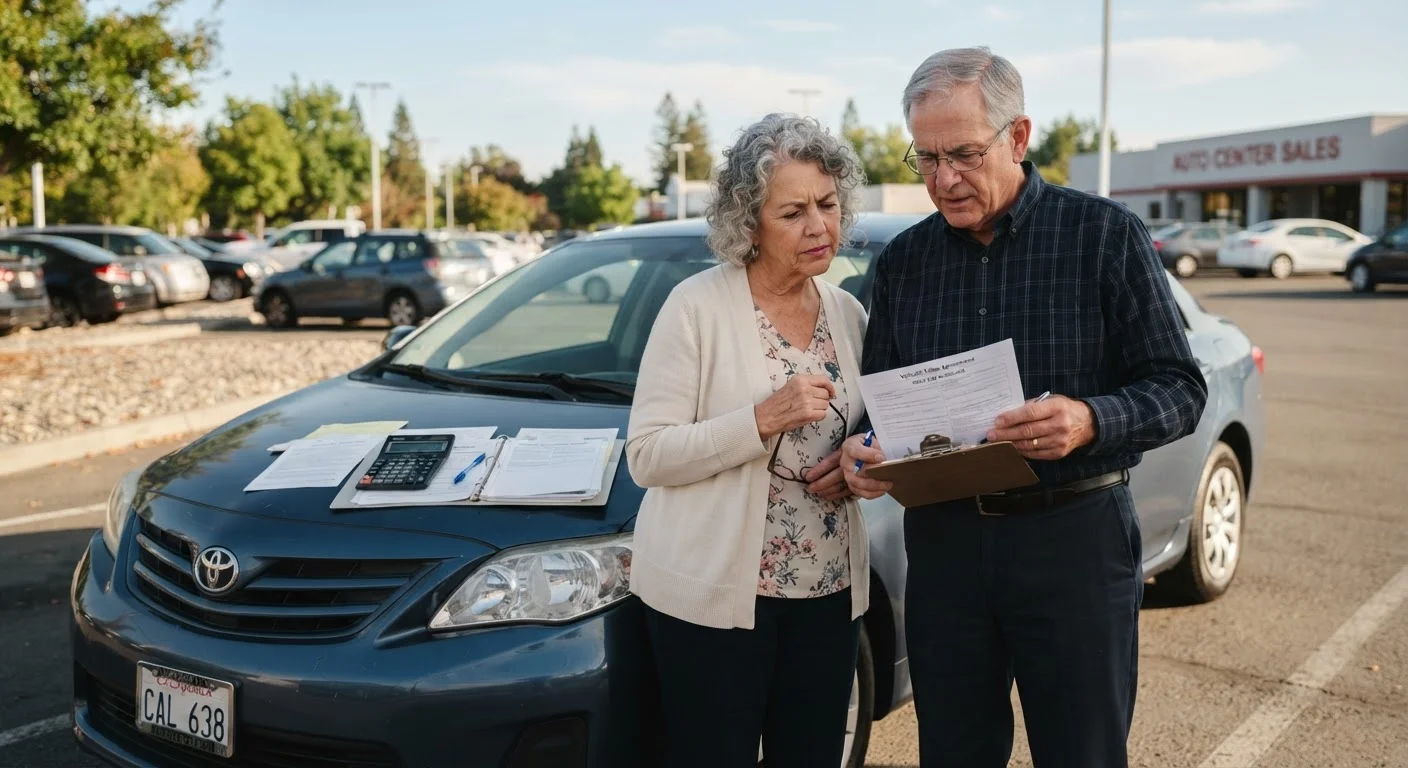
Why the Sticker Price Is a Starting Point, Not a Full Answer
A low sticker price is understandably appealing, especially when budgeting on a fixed income. But the purchase price answers only one question: what does it cost to acquire the car? It says nothing about what the car will cost you to operate, insure, and maintain over the years you own it.
Total ownership costs — fuel, insurance, maintenance, registration, and depreciation — routinely add thousands of dollars per year on top of the purchase price. For seniors who plan to keep a vehicle for many years, these ongoing costs can easily dwarf the original price paid at the dealership.
Understanding the full financial picture before you commit is one of the most practical steps any buyer can take, and it's especially valuable when evaluating vehicles marketed primarily on affordability.
$10,000+
Estimated average annual cost of car ownership
AAA's annual Your Driving Costs study has consistently found that total vehicle ownership costs — including depreciation, fuel, insurance, and maintenance — average over $10,000 per year for many vehicle categories.
~50%
Share of ownership cost often unrelated to purchase price
Industry analyses of total cost of ownership typically find that ongoing expenses such as insurance, fuel, and maintenance account for roughly half or more of lifetime vehicle costs, independent of what was paid at purchase.
15–20%
Average first-year depreciation for many new vehicles
Automotive valuation sources note that many new vehicles lose between 15 and 20 percent of their value within the first year, making depreciation one of the largest single ownership costs.
The Four Costs That Matter Most After Purchase
Four expense categories reliably shape what a car truly costs over time:
- Fuel: Vehicles with poor fuel economy cost more every year to operate. A difference of even 8–10 miles per gallon can translate to hundreds of dollars annually depending on driving habits and fuel prices.
- Insurance: Premiums vary based on the vehicle's safety record, repair cost history, theft rates, and your personal driving profile. A cheaper vehicle doesn't automatically mean cheaper coverage — and some models with low sticker prices carry above-average insurance costs.
- Maintenance and repairs: Scheduled maintenance — oil changes, tires, brakes, filters — is predictable and manageable. Unplanned repairs are where cheap vehicles can become costly. Older cars or those with a poor reliability history are more likely to generate unexpected repair bills. A low purchase price can mask high repair bills that surface only after ownership begins.
- Depreciation: Every vehicle loses value over time. Depreciation shapes both what you pay and what you recover when you eventually sell or trade the vehicle.
Get an Independent Inspection Before You Buy
For any used vehicle purchase, arrange for a pre-purchase inspection by a qualified, independent mechanic — not one affiliated with the seller. This inspection can surface hidden mechanical issues, worn components, or prior accident damage that affect both safety and future repair costs. The fee for an inspection is typically modest and can save you from a far more expensive surprise after purchase.
What Seniors Should Weigh Alongside Price
For older drivers, affordability and reliability are closely linked — but so are comfort and safety. A vehicle that lacks modern driver-assistance features or has an uncomfortable cabin may require you to purchase another car sooner than expected, which adds to your total cost over time.
Features like automatic emergency braking, clear sightlines, easy entry and exit, and legible instrument panels reduce risk and support longer, more comfortable driving. Sacrificing these features to save money at purchase may not represent genuine savings when considered over the full ownership period.
Estimating the true annual cost of a used vehicle before buying — rather than after — helps seniors weigh these trade-offs clearly. A pre-purchase inspection by a qualified, independent mechanic is also a reliable way to identify potential repair costs before they become your responsibility.
Costs Vary Significantly by Region
Vehicle registration fees, fuel prices, and insurance premiums vary considerably from state to state and even city to city. The ownership cost estimates you find in national studies or online tools are averages — your actual costs will depend on where you live, how much you drive, and your personal insurance profile. Always request localized quotes before making a final decision.
Making a Financially Sound Decision
The goal isn't to avoid affordable vehicles — it's to recognize which affordable vehicles are genuinely economical over time and which are simply cheap to acquire. Some older vehicles cost more than newer ones once repair patterns are factored in.
Before finalizing any purchase, compare the annual operating cost estimates — not just the purchase prices — across your candidate vehicles. Check owner community forums for recurring issues, look up insurance quotes specific to each model, and calculate fuel costs based on your typical weekly or monthly driving distance.
Comparing new and used vehicles across these dimensions gives you a more accurate basis for decision-making than sticker price alone. The goal is a vehicle that fits your budget today and stays within it for years to come.
This article provides general educational information about vehicle ownership costs. It is not financial, legal, or insurance advice. Individual costs vary based on your location, driving history, vehicle condition, and other personal factors. Consult a licensed insurance agent or financial adviser for guidance specific to your situation.
Frequently Asked Questions
Beyond the purchase price, expect to pay for fuel, auto insurance, registration fees, scheduled maintenance, tires, and eventual repairs. Depreciation also reduces the vehicle's resale value over time. Together, these costs often exceed the original purchase price over a five-year ownership period.
Generally, yes. Vehicles with higher mileage or age tend to require more frequent unplanned repairs, and some older models may have discontinued or hard-to-source parts that raise labor and parts costs. That said, reliability varies widely by make, model, and maintenance history, so research matters.
Not necessarily. Insurance premiums depend on a vehicle's safety ratings, repair cost history, theft rates, and the driver's profile — not solely the purchase price. Some inexpensive vehicles carry higher insurance costs because parts are costly or safety ratings are lower.
Look up the vehicle's average fuel economy and calculate fuel costs based on your typical mileage. Request insurance quotes before purchasing. Check owner forums and consumer reports for known reliability issues. For used vehicles, budget for a pre-purchase inspection by a qualified mechanic.
Depreciation affects how much value you recover if you sell or trade the vehicle later. Some low-priced used cars have already depreciated significantly, which can actually work in a buyer's favor. However, vehicles with poor reliability reputations may depreciate faster and be harder to resell.
The content on this site is for informational purposes only and is not a substitute for professional advice. Always consult a qualified professional for guidance specific to your situation.