

Why the Cheapest Car in the Lot Often Isn't
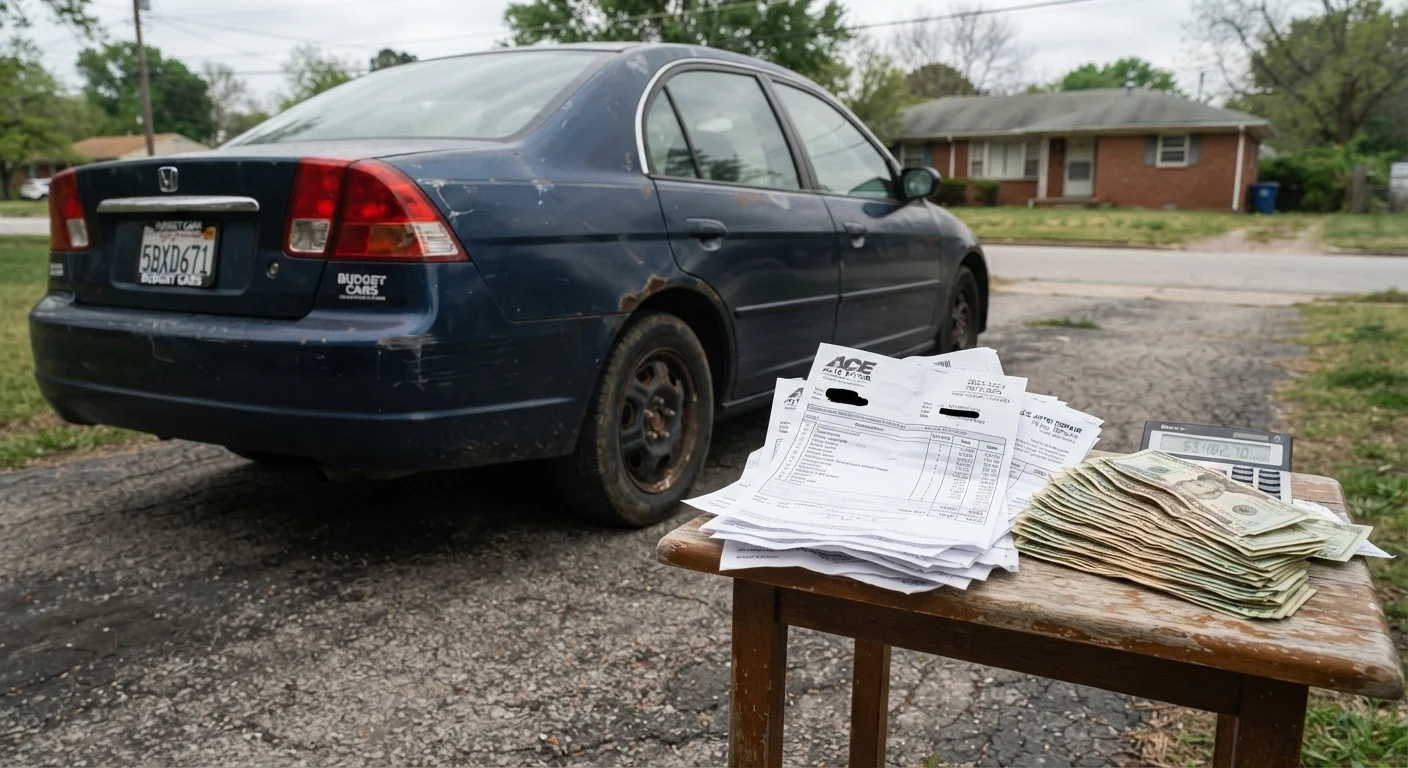
It's easy to feel confident walking away from a dealership or private seller having paid far less than expected. But for many buyers — seniors on fixed incomes especially — a bargain-priced used car can quietly become the most expensive vehicle they've ever owned. The purchase price is just the opening bid in what can become a costly negotiation with reality.
The good news is that the warning signs are almost always present before you sign anything. The problem is knowing which mistakes to avoid. Understanding these errors upfront can save thousands of dollars and a great deal of frustration. For a broader look at how sticker price compares to true ownership cost, see what the sticker price doesn't tell you.
Judging value by purchase price alone.
Why it happens: A low asking price feels like a clear win, especially when you're working within a tight budget. It's a natural shortcut that overlooks the full picture.
Skipping a pre-purchase inspection by an independent mechanic.
Why it happens: Buyers often feel awkward asking for an inspection, or they assume a vehicle that looks clean on the outside must be sound underneath.
Ignoring deferred maintenance and wear items.
Why it happens: Sellers rarely volunteer information about what hasn't been serviced, and buyers without mechanical experience may not know what to ask about.
Overlooking fuel economy and insurance costs.
Why it happens: These ongoing expenses feel abstract at the time of purchase compared to the concrete reality of a low sticker price.
Failing to check the vehicle's title and history.
Why it happens: Many buyers assume a legally sold vehicle has a clean title. Salvage titles, flood damage, and odometer fraud are more common than most people expect.
Doing the Math Before You Commit
Once you've identified a vehicle you're seriously considering, run the numbers on total ownership cost — not just the asking price. Request a vehicle history report (services like Carfax or AutoCheck provide these) to check for accident history, odometer rollbacks, and title issues. Then get an independent pre-purchase inspection from a licensed mechanic you trust, not one recommended by the seller.
$1,200+
Average annual repair cost for aging used vehicles
According to AAA, the average American driver spends over $1,200 per year on vehicle repairs and maintenance, with older, high-mileage cars typically running higher.
$100–$200
Typical cost of a pre-purchase inspection
A professional pre-purchase inspection from an independent mechanic generally costs between $100 and $200 — a fraction of what a missed problem could cost in repairs.
Fuel economy matters more than many buyers realize. A vehicle rated at 20 mpg versus one rated at 30 mpg can cost several hundred dollars more per year in gas, depending on your driving habits. Over five years, that difference adds up significantly. Similarly, insurance premiums vary by vehicle — older vehicles with high repair costs or poor safety ratings can carry surprisingly high premiums. For a full breakdown of costs that frequently catch buyers off guard, see our guide on hidden costs that catch used car buyers off guard.
If you're evaluating an older model, it's also worth reading about when an older car ends up costing more than a newer one — a pattern that catches many buyers by surprise. And before finalizing any decision, review the steps in inspecting used cars to make sure you haven't missed a critical red flag.
This article provides general educational information about used car buying. It is not financial, legal, or professional mechanical advice. Always consult a licensed mechanic before purchasing a vehicle and a qualified financial adviser for decisions related to your personal budget.
The content on this site is for informational purposes only and is not a substitute for professional advice. Always consult a qualified professional for guidance specific to your situation.