

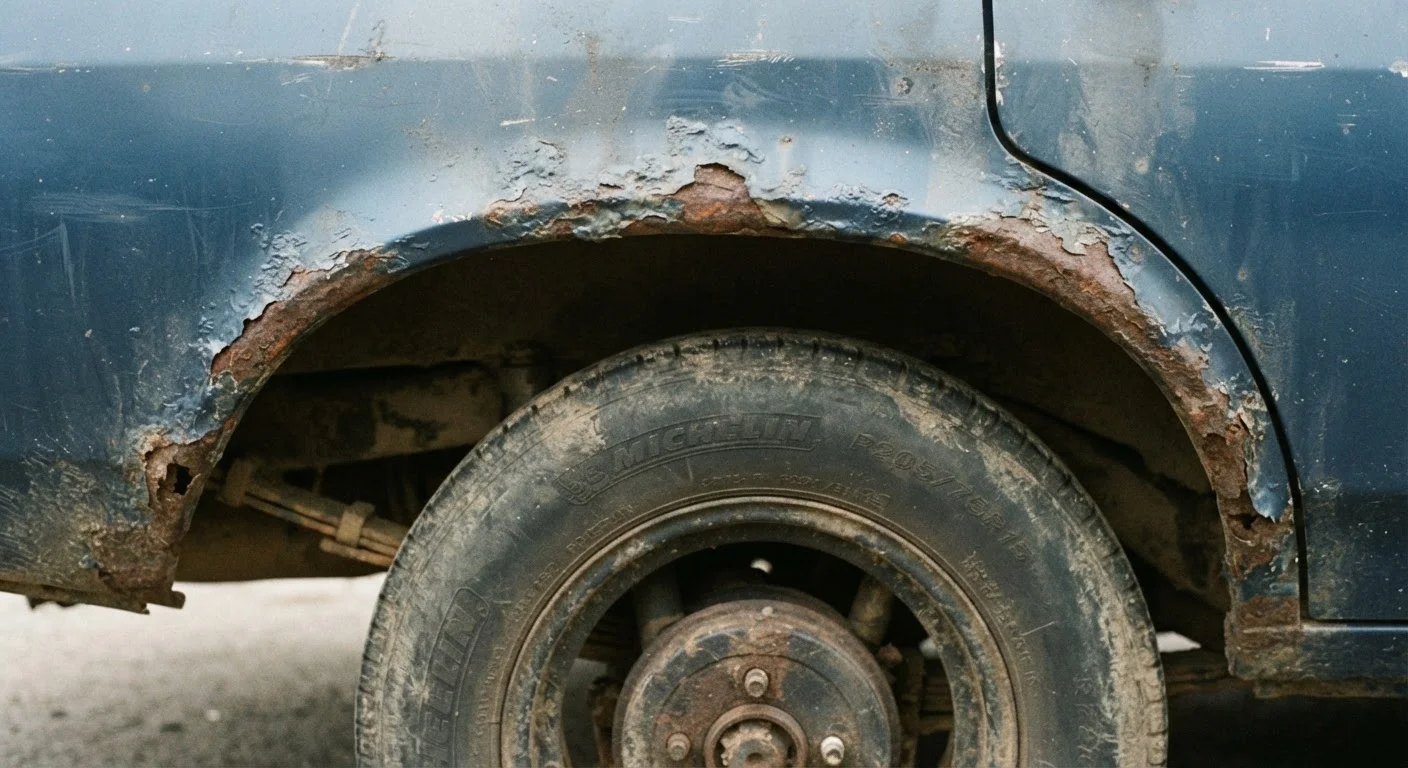
Why Body Damage Is Easy to Miss
A freshly washed car sitting in bright sunshine can look nearly perfect — until you know where to look. Sellers and dealers routinely touch up paint, apply undercoating spray, and buff panels to minimize the appearance of wear. That's not always deceptive; some of it is standard prep. But it does mean buyers who rely on a quick once-over are at a disadvantage.
The good news is that hidden body damage leaves clues. Paint texture, panel gaps, magnet behavior, and the smell of a trunk can all point to problems that a price tag won't mention. This guide walks you through the specific checks that matter most — no special tools required for most of them.
For a broader framework on approaching the exterior systematically, see our walk-around inspection guide. And if you want to avoid other inspection pitfalls, this article on common inspection mistakes is worth reading first.
A Clean Vehicle History Isn't a Clean Bill of Health
Many collision repairs and rust issues are handled privately — without an insurance claim — so they never appear in vehicle history databases. A clean report reduces some risk but doesn't eliminate the need for a physical inspection. Treat a history report as one input, not a final answer.
The Magnet Test: Your Simplest Tool
Body filler — the putty used to smooth out dents and repair panels after a collision — contains no metal. A small refrigerator magnet won't stick to it the way it clings to bare steel. This is the easiest field check you can do.
Run a small magnet slowly across each body panel. It should drag consistently against the surface. If it slides freely or drops away in a spot, there's likely a layer of filler underneath. Thickness matters: a thin skim coat to blend a panel is different from a deep fill hiding significant damage.
Pay particular attention to the hood, front fenders, rear quarter panels, and trunk lid — these are the panels most frequently damaged in collisions. Don't skip the doors either.
~10%
Used cars with undisclosed prior damage
Industry estimates from vehicle history data providers suggest a meaningful share of used vehicles have accident or damage history not disclosed by private sellers.
$1,500–$5,000+
Typical cost of structural rust repair
Repair shops commonly quote this range for frame or floor pan rust work, though costs vary significantly by vehicle, severity, and region.
5 minutes
Time for a basic magnet and paint check
A systematic walk-around with a small magnet and close attention to panel gaps takes only a few minutes and costs nothing — yet it's skipped by most buyers.
Reading Paint for Signs of Prior Repair
Factory paint is applied to the entire car body at once, giving a consistent color, sheen, and texture across all panels. Repainted panels — even good repaint work — rarely match perfectly. Step back and look along the length of the car in natural daylight.
- Color mismatch: Even subtle differences in shade between adjacent panels indicate at least one has been repainted.
- Texture differences: One panel looks slightly rough or has a different orange-peel texture compared to its neighbors.
- Overspray: Paint dots on rubber trim, window seals, or plastic molding suggest a spray job done without full disassembly.
- Uneven panel gaps: Gaps between the hood, fenders, and doors should be consistent. Wider gaps on one side or a door that sits slightly high often point to prior collision repair or poor reassembly.
None of these signs automatically makes a car a bad buy. A well-executed repair on a minor accident can be perfectly acceptable. But they warrant further questions and a documented explanation from the seller.
Where Rust Hides — and How to Find It
Rust almost always begins in places that trap moisture and debris. Knowing these locations lets you focus your inspection efficiently.
Highest-Risk Spots
- Wheel wells: Scrape away any loose debris along the inner edges. Surface rust here is common; penetrating rust or holes are not acceptable.
- Rocker panels: The sill running beneath each door. Tap along it gently — a hollow sound or soft spot indicates rot inside.
- Door bottoms: Water drains collect here. Open each door fully and look at the very bottom edge.
- Trunk floor and spare tire cavity: Lift the cargo mat and the spare tire cover. Bubbling paint, staining, or soft metal indicates water intrusion or existing rot.
- Frame rails and undercarriage: This requires crouching or lying down, or ideally putting the car on a lift. Frame rust is the most serious category — it affects structural integrity and crashworthiness.
If you're not comfortable getting underneath the car, this is exactly why a pre-purchase inspection by a licensed mechanic is worth the cost. Their lift check covers what most buyers physically can't examine.
Body damage repair costs can stack up quickly. Our article on hidden costs in used car buying explains how to factor unexpected repair expenses into your budget before you commit.
Always Inspect in Daylight, on Level Ground
Indoor showroom lighting and uneven pavement make it genuinely harder to spot paint discrepancies, uneven panel gaps, and rust. Before committing to a full inspection, ask to see the car outside on a flat surface during the day. If a seller resists, that itself is worth noting.
Minor Issues vs. Deal-Breakers
Not every blemish is a reason to walk away. Here's a plain guide to sorting manageable issues from serious ones.
| Issue | Severity | General Guidance |
|---|---|---|
| Light surface rust on brake rotors | Normal | Clears with normal driving — not a concern |
| Small rust spots on exterior panels (paint intact underneath) | Minor | Monitor and treat; budget for cosmetic repair |
| Body filler in one small panel area | Moderate | Ask about history; assess quality of repair |
| Rust bubbles under paint on multiple panels | Significant | Indicates spreading rust; get professional assessment |
| Holes or rot in floor pan or trunk floor | Serious | Water and exhaust intrusion risk; major repair cost |
| Frame or subframe rust | Potential deal-breaker | Structural integrity concern; consult a mechanic before proceeding |
For issues in the moderate-to-serious range, always get a written repair estimate before negotiating price. What looks like a small rust patch from above can involve significant metal work once a shop gets underneath. See our routine car checks hub for help understanding what regular maintenance can — and can't — prevent.
Frequently Asked Questions
Surface rust appears as reddish discoloration on the outer skin of a panel and hasn't eaten through the metal. Structural rust penetrates the frame, floor pan, or subframe — you may see holes, flaking metal, or a soft, crumbly texture. A qualified mechanic can confirm severity by checking from underneath the car.
A vehicle history report may flag accidents that were reported to insurance, but many minor repairs are paid out-of-pocket and never appear in the record. Physical inspection and a pre-purchase mechanic check remain essential, even with a clean report.
Body filler (often called Bondo by its brand name) is a putty-like compound used to smooth dents and repair panels without replacing them. It isn't as durable as factory steel and can crack or absorb moisture over time. Its presence suggests prior damage that may or may not have been fully addressed.
Surface rust can be treated and repaired at reasonable cost. Structural rust repairs are significantly more expensive and the results vary. As a general rule, the cost of repairing structural rust often exceeds what the vehicle is worth — consider it a strong signal to walk away.
The highest-risk locations are wheel wells, the underside of door sills (rocker panels), door bottoms, the trunk floor, spare tire cavity, and the undercarriage frame rails. These spots trap moisture and road salt and are rarely cleaned regularly.
Minor surface rust on a brake rotor, for example, is normal and not a concern. Rust on exterior panels that hasn't compromised the metal is generally cosmetic. However, any rust on structural components — frame, floor, subframe — warrants serious caution and a professional evaluation before purchase.
The content on this site is for informational purposes only and is not a substitute for professional advice. Always consult a qualified professional for guidance specific to your situation.