

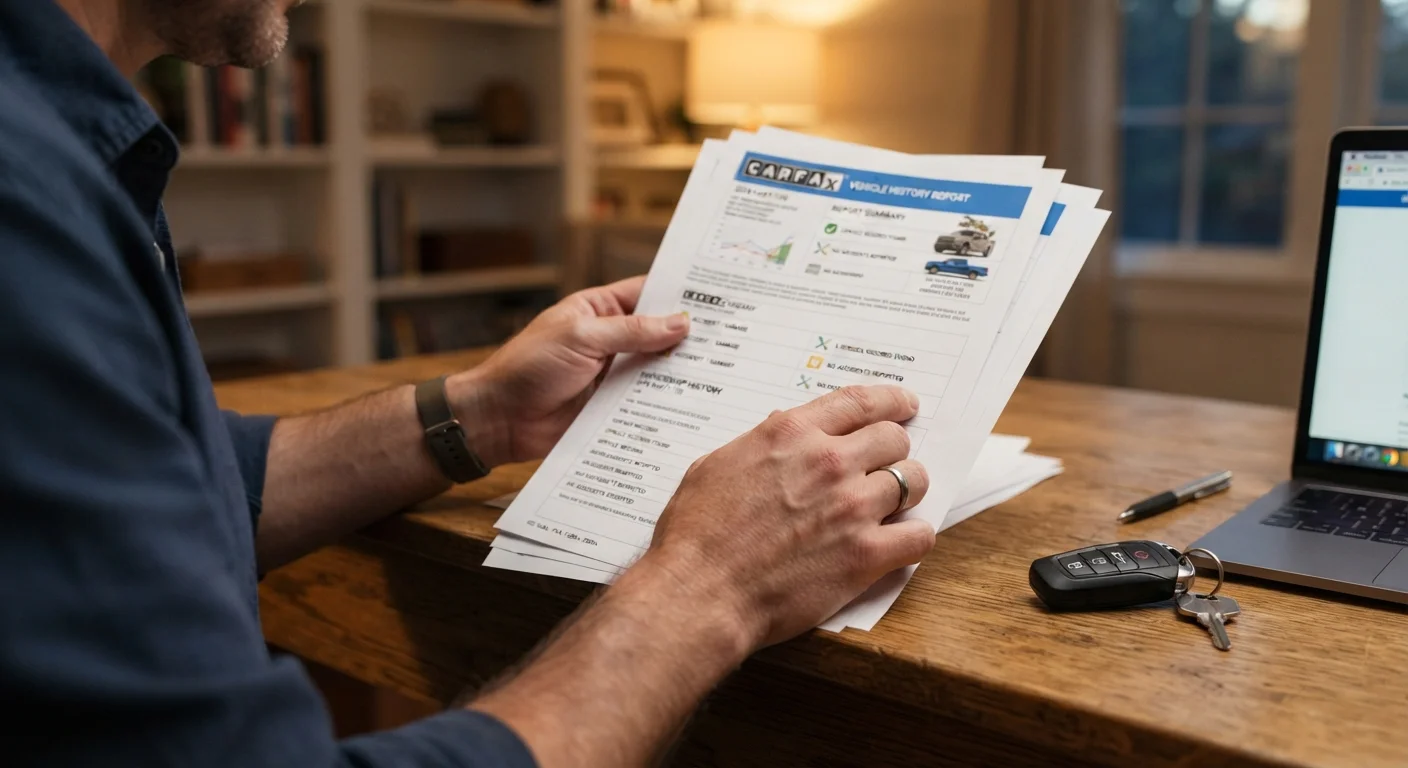
What a Vehicle History Report Actually Contains
A vehicle history report is a compiled record drawn from multiple data sources — state motor vehicle departments, insurance companies, auto auctions, and sometimes repair facilities. It is not a complete maintenance diary, and it only reflects events that were officially documented. Understanding what is and isn't in the report helps you use it effectively rather than over-rely on it.
Typical report sections include title history, ownership records, accident and damage disclosures, odometer readings at each recorded event, recall and lien information, and sometimes fleet or rental use flags. The depth of information varies by service and by how thoroughly individual states share data.
For a broader look at why this document carries so much weight in any used car purchase, see why a vehicle history report matters more than the asking price. You can also learn how report findings connect to fair pricing in the vehicle history and pricing guide.
What you will need
How to Read the Report Step by Step
Working through a vehicle history report methodically takes less than half an hour, but it requires focused attention. Use the steps below to move through each section in order, making notes as you go. Bring those notes to your seller conversation and to any inspection you arrange.
Vehicle Identification Number (VIN)
Required to pull any vehicle history report; uniquely identifies the specific vehicle you are researching.
Vehicle History Report Service
Compiles title, accident, ownership, and odometer data from state DMVs, insurers, and repair facilities.
Notepad or Printed Report Copy
Allows you to annotate concerns and bring specific questions to the seller or your mechanic.
Locate and Verify the VIN
Before requesting any report, confirm the VIN on the vehicle matches the number on the seller's title document and any paperwork they provide. The VIN appears on the dashboard (visible through the lower corner of the windshield on the driver's side) and on the driver's door jamb sticker. A mismatch between these locations is a serious warning sign of tampering or a parts swap.
Pull the Vehicle History Report
Enter the confirmed VIN into a reputable vehicle history report service. Some franchised dealerships provide reports as part of their listing; if buying privately, you will need to obtain one independently. Review the service's data sources — the most thorough reports draw from state DMV records, insurance claim databases, and auction data. Note the report's date; data older than a few weeks may not reflect recent events.
Check the Title History and Ownership Count
Look at how many owners the vehicle has had and how long each owned it. A car that changed hands three times in two years warrants closer scrutiny — rapid turnover can indicate recurring mechanical problems. Confirm the title is clean and free of brands. Common brands to watch for include:
- Salvage — declared a total loss by an insurer
- Rebuilt/Reconstructed — previously salvaged but repaired and re-titled
- Flood Damage — water intrusion recorded
- Lemon Law Buyback — repurchased by a manufacturer due to defects
Review Accident and Damage Records
The report will list any accidents or damage events that were filed through an insurer or reported to a DMV. For each entry, note the severity (minor, moderate, or severe), which part of the vehicle was affected, and whether airbags deployed. Structural damage — particularly to the frame or front/rear crumple zones — can affect long-term safety and handling even after repair. Flag any incident for further discussion with a mechanic.
Examine Odometer Readings Across Entries
Each recorded service or ownership event in the report typically includes a mileage reading. Read these entries in chronological order and confirm that mileage increases consistently over time. Any entry showing mileage higher than the vehicle's current odometer reading is a strong indicator of odometer fraud. Similarly, unexplained large gaps in mileage entries may suggest the vehicle was used heavily during a period when it wasn't being serviced.
Note Service and Use Records
Some reports include records of routine maintenance, recall repairs, and whether the vehicle was used as a rental, fleet, or taxi unit. Prior rental or fleet use is not automatically a disqualifier, but it does indicate higher average usage intensity and warrants closer attention during a physical inspection. Look for consistent service intervals as a sign the vehicle was maintained responsibly.
Bring Your Findings to a Mechanic
Print or save the report and bring it with you when arranging a pre-purchase inspection. Point out any flagged incidents or damage entries so the mechanic can focus on those areas specifically. A report and a mechanic's inspection together give you the most complete picture available before signing anything.
Cross-Check the Report Against the Odometer
When you review a report, compare each recorded mileage entry against the vehicle's current odometer reading. If any entry shows higher mileage than what the car displays today, that is a strong indicator of odometer tampering — a serious red flag that warrants walking away. Consistent mileage progression across entries is a good sign.
Watch for Title Brands That Affect Insurance
Titles branded as 'salvage,' 'rebuilt,' or 'flood damage' can make a vehicle difficult or expensive to insure and nearly impossible to resell at a fair price. Some lenders will also refuse to finance a vehicle with a branded title. If you see any of these designations, consult a licensed insurance agent before proceeding — coverage eligibility varies significantly by provider and state.
A Clean Report Is Not a Green Light
Vehicle history reports only capture events that were officially reported — unreported accidents, private repairs, and cash transactions often leave no trace. Always treat a clean report as a starting point, not a guarantee. A professional pre-purchase inspection by a licensed mechanic is still essential before you commit.
After completing your report review, your next step is arranging a hands-on inspection. See how to use a pre-purchase inspection to protect yourself for a step-by-step walkthrough of that process. It is also worth preparing questions to ask the seller based on anything flagged in the report.
For ongoing ownership confidence, the routine car checks hub covers the regular inspections every driver should perform once a vehicle is in their possession.
This article provides general educational information about vehicle history reports and is not a substitute for professional mechanical inspection or personalized financial or legal advice. Coverage eligibility, financing terms, and title regulations vary by state and provider — consult a licensed mechanic, insurance agent, or financial adviser for guidance specific to your situation.
The content on this site is for informational purposes only and is not a substitute for professional advice. Always consult a qualified professional for guidance specific to your situation.