

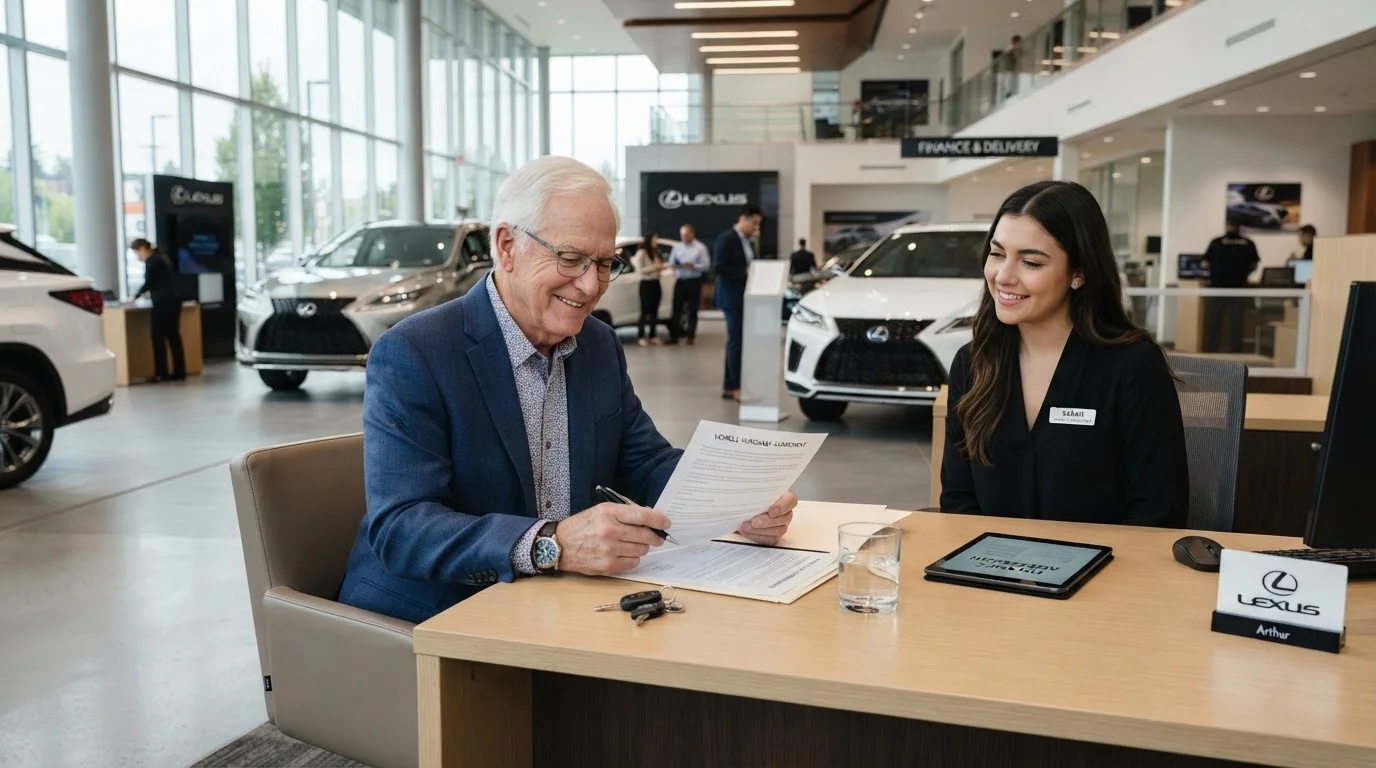
Why These Myths Are Especially Costly for Senior Buyers
Dealership negotiations are designed to be complex. Multiple numbers — sticker price, trade-in value, financing rate, monthly payment — move simultaneously, and a skilled salesperson can improve one figure while quietly worsening another. For seniors on fixed incomes, a single misplaced assumption can translate into hundreds or thousands of dollars in unnecessary costs over the life of a vehicle.
The myths below are not obscure edge cases. They are among the most common beliefs that lead buyers — particularly older ones — to leave money on the table or sign agreements they later regret. Understanding where the fiction ends and the facts begin is the first practical step toward a fair deal. For a broader look at how purchase price fits into total ownership cost, see our guide to what the sticker price doesn't tell you.
Myth
The sticker price (MSRP) is what you pay — it's not negotiable.
Fact
The Manufacturer's Suggested Retail Price is exactly that: a suggestion. Most new vehicles sell below MSRP, and used vehicles have even more pricing flexibility.
MSRP stands for Manufacturer's Suggested Retail Price. Dealers set their own asking prices and routinely adjust them based on inventory levels, regional demand, and how long a vehicle has sat on the lot. Publicly available market data from consumer research organizations consistently shows that transaction prices for many new vehicles fall below MSRP. Used vehicles have no MSRP at all — the dealer's listed price is simply a starting point. Buyers who treat any listed price as fixed remove their own leverage before the conversation begins.
Myth
Dealers automatically give seniors a discount — it's standard practice.
Fact
There is no universal senior discount at car dealerships. Some manufacturers or affiliations offer specific programs, but these must be actively identified and applied — they are never automatic.
Unlike some retail sectors, automotive dealerships do not operate on a blanket senior discount policy. Certain manufacturer loyalty programs, credit union memberships, or employer/affinity group programs (such as those tied to membership organizations) may provide fixed pricing or small discounts — but only if the buyer knows about them, qualifies, and explicitly requests them. Assuming a discount has been applied when it has not is a reliable way to overpay. Always ask upfront whether any applicable programs exist, get the details in writing, and verify the discount appears on the final contract.
Myth
Negotiating the monthly payment is the same as negotiating the car price.
Fact
Monthly payment and total vehicle cost are entirely separate figures. A lower monthly payment can actually mean you pay more overall if the loan term is extended.
Dealers are trained to shift the conversation from total price to monthly payment because stretching a loan from 48 months to 72 months makes a more expensive vehicle appear affordable month-to-month. The total amount paid — including interest — goes up significantly. For example, financing $25,000 at 7% interest over 48 months results in substantially less total interest than the same loan over 72 months, even though the monthly payment is lower. Always negotiate the out-the-door price of the vehicle first, then discuss financing as a separate step. Never let a monthly payment target anchor the negotiation.
Myth
You should wait until the dealer offers financing before revealing you're paying cash.
Fact
Cash payment does not guarantee a better price; dealers often prefer financing because it generates additional profit. Withholding payment method rarely produces a strategic advantage.
A common piece of folk wisdom suggests that hiding a cash payment until late in negotiations wins a better deal. In practice, dealers frequently earn a finance reserve (a markup on the loan rate) from lenders — so financing can be more profitable for them than a cash transaction. Some dealers may actually discount less aggressively for cash buyers. The more reliable strategy is to negotiate the vehicle price first, independently of payment method, and then evaluate whether dealership financing, a personal loan, or a pre-approved credit union loan offers the lowest total cost. Our financing and budgeting hub covers how to compare loan options methodically.
Myth
Extended warranties offered at the dealership are a smart safety net for older buyers.
Fact
Dealer-sold extended warranties (often called vehicle service contracts) vary widely in coverage, exclusions, and price. They are optional products with significant markup and are negotiable.
Finance office add-ons — extended warranties, gap insurance, paint protection, and similar products — are presented at signing when buyers are fatigued and eager to finish. These products are not mandatory, and the initial price quoted often includes a significant profit margin. If an extended warranty genuinely fits your situation, the price is negotiable, you can often purchase equivalent coverage later (before the manufacturer warranty expires), and you should read the exclusions carefully before agreeing. Many plans exclude the most common repair categories or require repairs only at specific service facilities. For related misconceptions about insurance products seniors encounter, see our car insurance myths article.
Practical Steps to Protect Yourself Before and During Negotiation
Debunking myths is only useful if it leads to better habits. Before visiting any dealership, research the vehicle's market value using publicly available pricing tools — independent consumer research sites publish transaction data reflecting what buyers actually pay, not what dealers ask. Arrive with a written out-the-door price target that includes taxes, title, registration, and dealer fees.
Dealer Fees Can Add Hundreds to Your Final Price
Documentation fees, dealer preparation charges, and similar line items vary widely by state and dealership. Some fees are standard and reflect actual costs; others are largely profit. Ask for a breakdown of every fee before agreeing to a price, and compare the total against your researched out-the-door target. In some states, doc fees are capped by law — it is worth knowing your state's rules before you visit.
At the dealership, keep negotiations focused on the total vehicle price before discussing trade-in value or financing terms. Once a price is agreed upon, evaluate financing separately. If a dealer offers an interest rate, compare it against a pre-approval you've already obtained from your own bank or credit union — dealers can mark up the rate they receive from the lender, earning additional profit. Our financing myths guide explains exactly how that process works and what to watch for.
Finally, do not feel obligated to decide at the dealership. Pressure to sign the same day is a sales tactic, not a legal requirement. Taking a contract home to review — or asking a trusted family member or adviser to look it over — is entirely reasonable. For additional guidance on staying calm and in control during the process, see our negotiation guide for older car buyers.
This article is for general informational purposes only and does not constitute financial, legal, or professional advice. Financing terms, fees, and dealer practices vary by location and individual circumstance. Consult a qualified adviser for guidance specific to your situation.
The content on this site is for informational purposes only and is not a substitute for professional advice. Always consult a qualified professional for guidance specific to your situation.