

Our Verdict
Dealerships provide structured protections, financing options, and accountability that many seniors find reassuring — but those benefits come at a price premium. Private sellers can offer genuine savings, but the burden of due diligence falls entirely on the buyer. Neither channel is universally better; the right choice depends on your comfort with risk, your budget, and your ability to evaluate a vehicle independently.
| Best for | Recommended |
|---|---|
| Seniors who value consumer protections and financing access | Dealership purchase |
| Budget-conscious buyers comfortable doing their own research | Private seller purchase |
| Those who want a certified pre-owned vehicle with warranty coverage | Dealership purchase |
| Buyers with a trusted mechanic who can inspect any vehicle before purchase | Private seller purchase |
How the Two Buying Channels Actually Differ
When you buy from a dealership, you're transacting with a licensed business subject to state and federal consumer protection laws. When you buy from a private seller, you're dealing with an individual who typically has no legal obligation beyond an honest description of the vehicle. That single distinction shapes everything — pricing, negotiation, paperwork, and recourse if something goes wrong.
For a broader look at where used vehicles come from and what each source typically means for buyers, see our overview of used car sources. Understanding those structural differences before you negotiate puts you on much firmer ground.
| Dealership | Private Seller | |
|---|---|---|
| Typical price | Higher — includes overhead and profit margin | Often lower — no middleman costs |
| Negotiation dynamic | Structured; salesperson is experienced | Flexible; seller wants a clean transaction |
| Warranty / as-is risk | Limited warranty common; CPO options available | Usually sold as-is; no recourse after sale |
| Financing access | On-site financing available; shop rates first | Buyer must arrange financing independently |
| Consumer protections | State licensing and consumer laws apply | Minimal; governed mainly by contract law |
| Pre-purchase inspection | Allowed, but dealer controls environment | Fully buyer-arranged; critical to do |
| Add-on pressure | Common — extended warranties, GAP, extras | Rare to none |
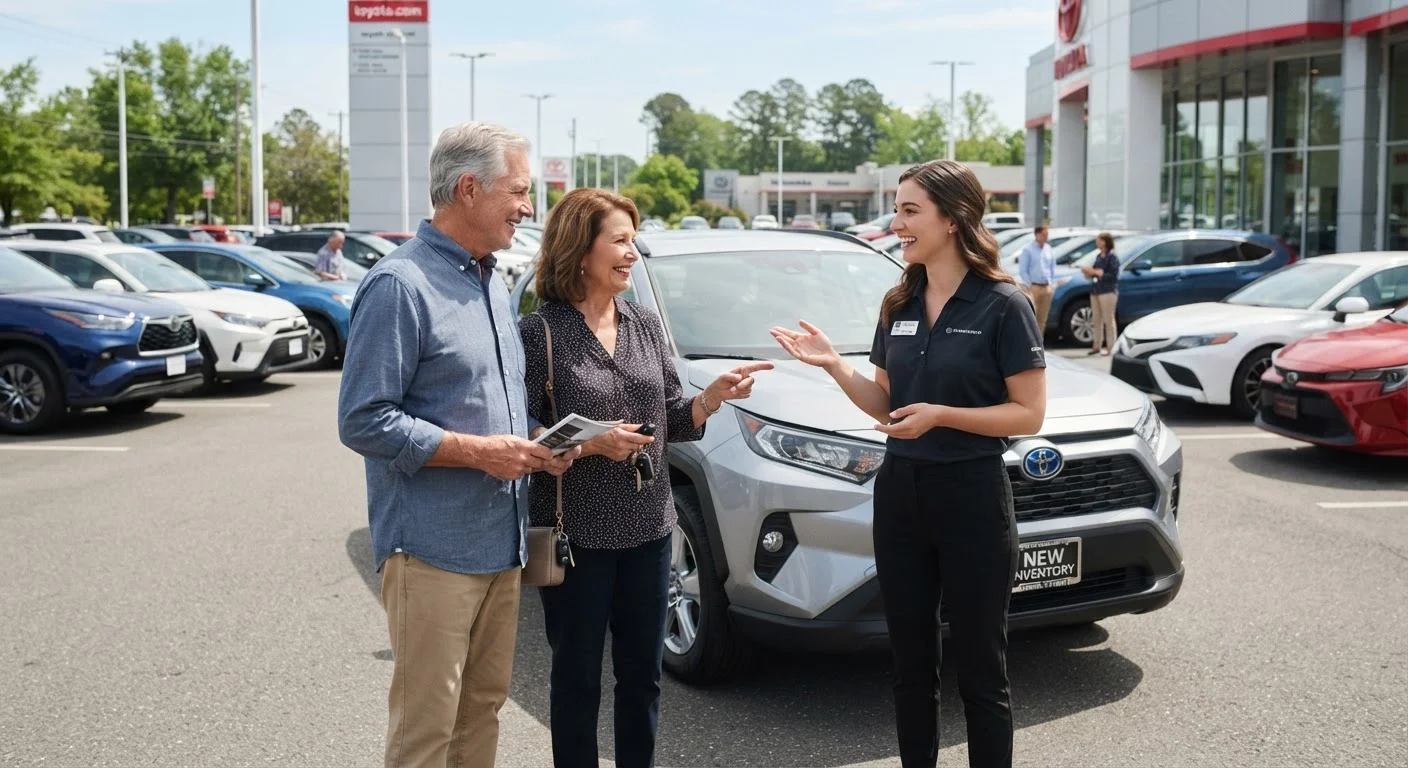
Negotiating at a Dealership: What to Expect
Dealership salespeople negotiate vehicles for a living. That experience gap can feel intimidating, but it's manageable with preparation. The single most important step is arriving with an independent price reference — resources such as market valuation tools (Kelley Blue Book, Edmunds, or NADA Guides) give you a defensible number that isn't tied to the sticker price.
Focus on the out-the-door price, not the monthly payment. Dealers sometimes stretch loan terms to make a higher-priced vehicle appear affordable. A lower monthly payment over 72 months may cost significantly more in total interest than a 48-month term at a slightly higher payment. For more on how financing structures affect total cost, see our guide on dealer financing vs. bank loans.
When it comes to add-ons — paint sealant, fabric protection, extended service contracts, GAP insurance — you are entitled to decline any of them. Each is a separate line item, and each has a profit margin. Politely refusing items you don't want or need is not impolite; it is simply good purchasing practice.
Bring Your Research in Writing
Print or screenshot comparable vehicle prices from at least two independent valuation sources before visiting a dealership. Showing a salesperson a documented market range — rather than simply stating a number — makes it much harder for the conversation to drift back to the sticker price. It also signals that you've done your homework, which tends to shift the tone of the negotiation.
Negotiating With a Private Seller: The Different Rules
Private sellers are typically motivated by a clean, quick transaction. They don't have a finance office, they don't upsell add-ons, and most will not inflate their asking price by thousands the way a dealership markup can. That said, most private listings are sold as-is, meaning any mechanical issue discovered after the sale becomes your problem entirely.
Your primary leverage with a private seller is information and patience. If the vehicle's asking price is above what comparable listings in your region show, you can point directly to those comparisons. Sellers who have had a listing sit for several weeks are often more willing to reduce the price than a dealer with a full lot.
Before agreeing to any price, arrange an independent pre-purchase inspection with a licensed mechanic of your choosing — not one recommended by the seller. The inspection approach differs meaningfully between private and dealer transactions, and that step can reveal hidden costs that completely change whether the asking price is reasonable.
For a balanced look at what you gain and give up in a private transaction, see our realistic overview of private-seller pros and cons.
Never Skip the Title Check in Private Sales
Before handing over any money to a private seller, verify that the person selling the vehicle is the legal owner and that the title is free of liens. Run the vehicle identification number (VIN) through a reputable history report service and confirm the title status with your state's DMV if there is any doubt. Buying a vehicle with an outstanding lien or a salvage title can create serious legal and financial complications that are difficult to resolve after the fact.
Making a Confident Decision Either Way
Whichever path you choose, the preparation steps are nearly identical: establish a budget, research fair market value for the specific vehicle, obtain a vehicle history report, and arrange an inspection before money changes hands. The difference is that a dealership provides some of those steps by default (limited warranty, title work, financing) — whereas a private sale requires you to arrange each one yourself.
Seniors who want guidance on staying calm and in control during dealership negotiations will find concrete strategies in our article on negotiating without feeling pressured. And if you're still weighing whether to buy new or used at all, our new vs. used car comparison covers the broader cost and reliability considerations worth reviewing first.
This article provides general educational information about car-buying options and is not personalized financial or legal advice. Terms, protections, and regulations vary by state and by transaction type. Consult a licensed professional for guidance specific to your situation.
The content on this site is for informational purposes only and is not a substitute for professional advice. Always consult a qualified professional for guidance specific to your situation.