

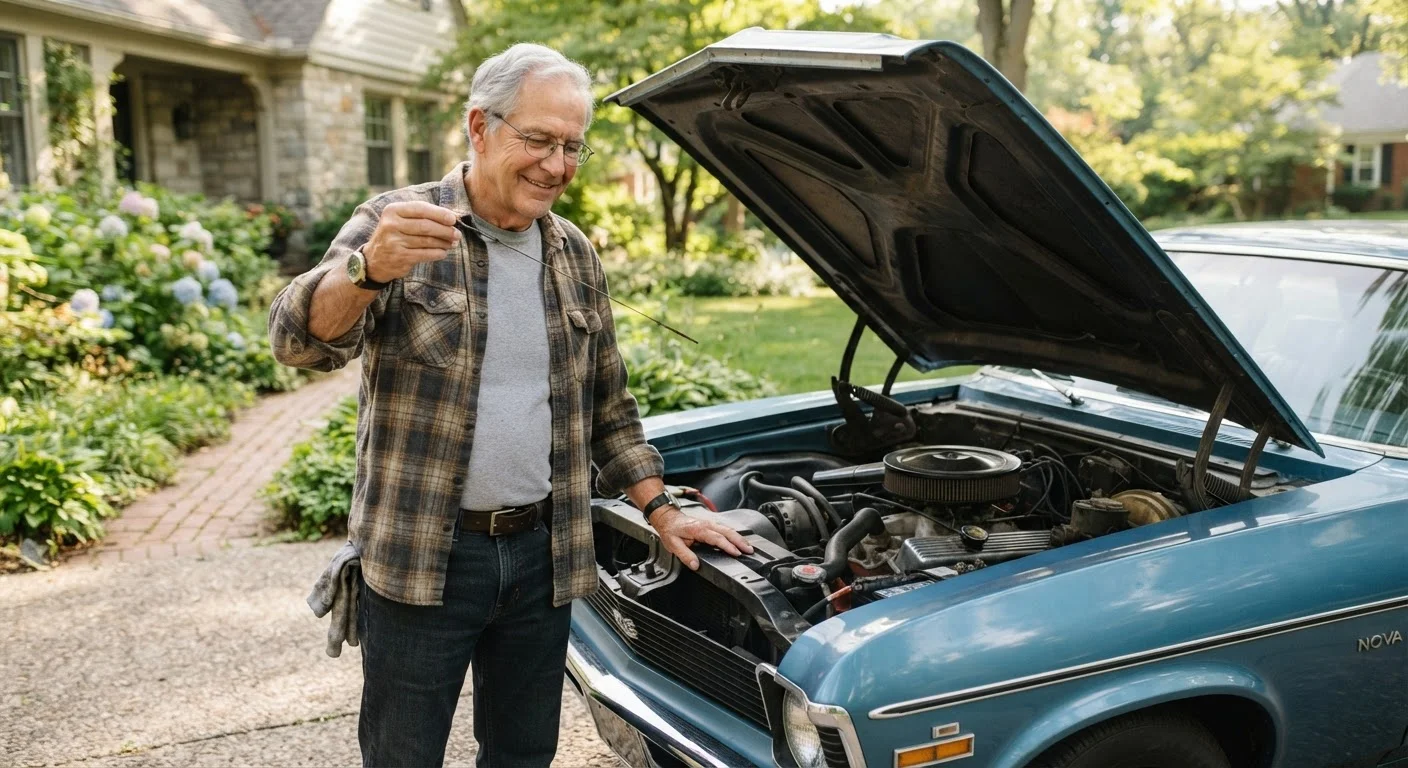
Option A
DIY Vehicle Checks
Simple, eyes-and-hands inspections any driver can perform safely at home.
Best for: Drivers who want to stay proactive about their car's health without needing tools or mechanical training.
Option B
Professional Mechanic Inspections
Diagnostic and repair work that requires specialized tools, training, or safety precautions.
Best for: Situations where incorrect handling could cause injury, vehicle damage, or mask a serious underlying problem.
Why Knowing the Difference Matters
For many drivers, the engine bay can feel like unfamiliar territory. But responsible car ownership doesn't require mechanical expertise — it requires knowing which checks are safe and simple, and which ones carry real risk without proper training or tools.
Getting this right has two practical benefits. First, it keeps you safe — both physically and financially. Attempting a brake bleed or tackling a pressurized cooling system without the right setup can cause injury or serious vehicle damage. Second, performing routine self-checks consistently means you'll notice changes early, before a small issue becomes an expensive repair.
For a practical starting point, see the weekly walk-around guide — a simple pre-drive routine that takes just a few minutes and helps catch problems before they escalate.
| Criterion | DIY Vehicle Checks | Professional Mechanic Inspections |
|---|---|---|
| Tools required | None or basic (pressure gauge) | Specialized diagnostic and repair tools |
| Training needed | None — visual and simple physical checks | Certified mechanical training required |
| Safety risk if done incorrectly | Very low | High without proper knowledge |
| Examples | Oil level, tire pressure, lights, wipers | Brakes, coolant system, fault codes, leaks |
| Frequency | Weekly or before long drives | Per service schedule or when issues arise |
| Cost | Free or minimal | Labor and parts fees apply |
What You Can Safely Check at Home
The following checks require nothing more than your eyes, basic awareness, and in some cases a simple tool like a tire pressure gauge. They're appropriate for most drivers regardless of mechanical background.
- Engine oil level: With the engine cold, pull the dipstick, wipe it clean, reinsert it, and read the level against the marked range. Our dipstick guide walks through every step clearly.
- Tire pressure and tread depth: Use an inexpensive gauge to check pressure against the figure in your owner's manual or door placard. For tread depth, a quarter inserted into the groove is a reliable field test. Visit the Tires & Brakes hub for more guidance.
- Windshield washer fluid: The reservoir is clearly labeled under the hood and is safe to top up at any time.
- Exterior lights: Check that headlights, brake lights, indicators, and reversing lights are all functioning. Our lighting check guide shows a simple solo method that takes under ten minutes.
- Wiper blade condition: Run your wipers and note any streaking or skipping — a visual check that takes seconds.
~$1,200
Average cost of a preventable breakdown repair
The American Automobile Association (AAA) has reported that many roadside breakdowns stem from neglected maintenance issues detectable through routine checks.
1 in 3
Vehicles found with at least one maintenance issue
AAA vehicle inspection programs have consistently found a high proportion of cars with underinflated tires, low fluids, or worn wiper blades at any given time.
When to Call a Mechanic Instead
Some checks and repairs involve pressurized systems, electrical components, or safety-critical parts where an error can cause serious harm. These should always be referred to a qualified mechanic.
- Brake inspection and service: Brakes involve hydraulic pressure and precise tolerances. If you notice spongy feel, grinding, or pulling to one side, have a technician inspect the system promptly.
- Coolant system: Never open a radiator cap when the engine is warm — the pressurized coolant can cause serious burns. Coolant flushes and leak diagnosis belong with a professional.
- Dashboard warning lights: Modern warning lights can signal anything from a loose gas cap to a failing transmission. A mechanic with a diagnostic scanner can read the specific fault code and interpret it accurately.
- Suspension and steering components: These affect vehicle control directly. Vibrations, pulling, or clunking sounds warrant professional assessment.
- Fluid leaks: If you notice a puddle under your car, resist the urge to top up and drive on. The cause needs to be identified first.
If you're buying a used vehicle and want a professional assessment before committing, our article on getting an independent pre-purchase inspection explains exactly what to ask and expect.
When in Doubt, Defer to a Professional
If you're uncertain whether something you've noticed is normal — an unfamiliar smell, a small fluid spot, or a slight change in how the car handles — it's always reasonable to have it checked by a mechanic. There's no penalty for asking a professional to confirm that something is fine. The guide on trusting a mechanic vs. checking yourself covers fluid-specific decisions in more detail.
The content on this site is for informational purposes only and is not a substitute for professional advice. Always consult a qualified professional for guidance specific to your situation.