

Summary
18 items · 5–15 minutes
Why a Weekly Walk-Around Is Worth Your Time
Most vehicle problems don't appear without warning — they develop gradually. A tire loses pressure over days. A wiper blade stiffens through weeks of sun exposure. A small chip in the windshield slowly spreads toward the driver's line of sight. The challenge is that these changes happen slowly enough to go unnoticed until they cause a real problem.
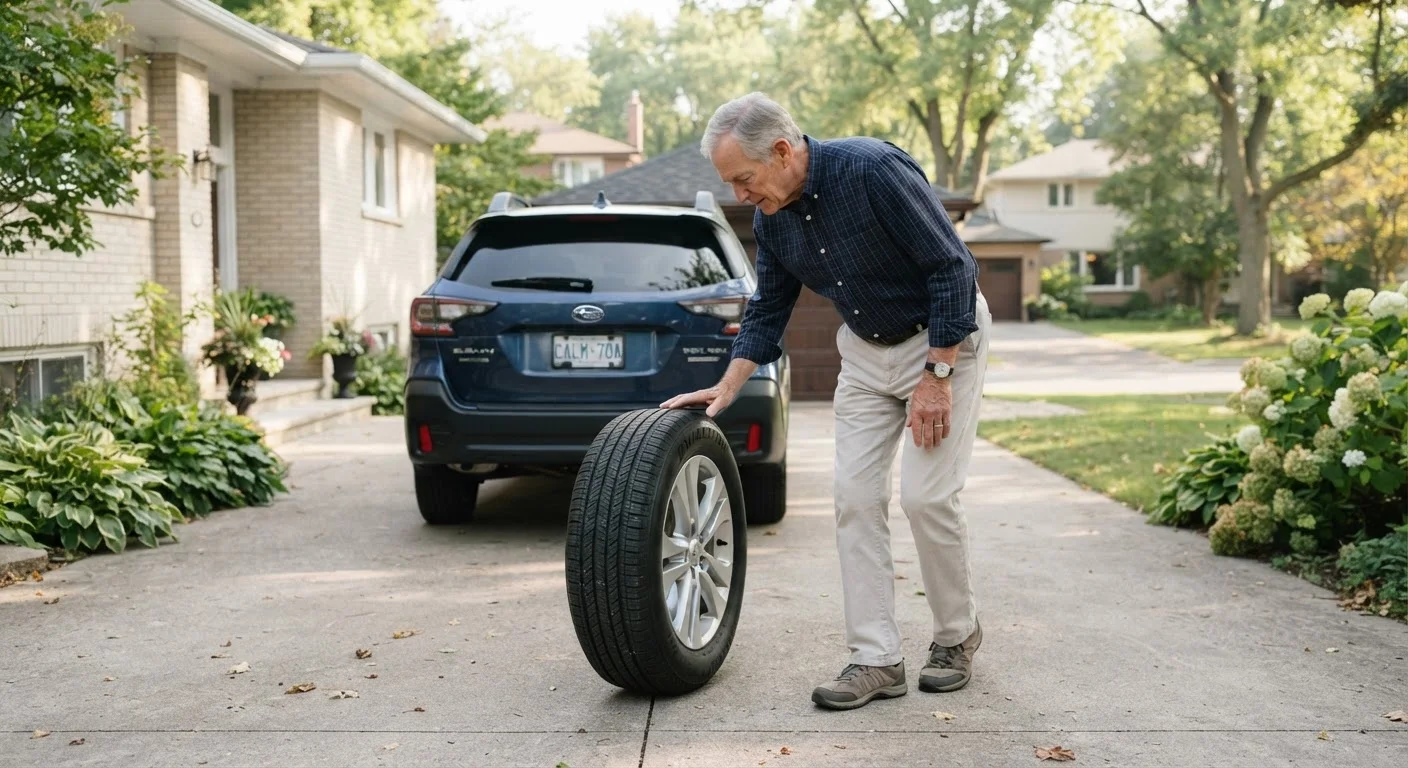
A weekly walk-around — a short, structured inspection you perform before driving — breaks that pattern. By spending five to fifteen minutes examining your car from the outside in, you create a reliable mental baseline for what your vehicle looks and sounds like when everything is fine. Anything that deviates from that baseline gets noticed quickly, before a small issue becomes a stranded-on-the-highway emergency.
This habit is especially valuable for drivers who use their car mainly for shorter trips — errands, appointments, social visits — because shorter trips mean less time for unusual noises or handling changes to register naturally. The walk-around compensates for that by bringing your attention to the vehicle deliberately, on your schedule.
Dashboard Warning Lights Come First
Before beginning your walk-around, glance at the instrument panel when you first start the engine. Any warning light that stays on — especially the oil pressure, temperature, or tire pressure indicator — needs attention before you drive. Our guide on reading dashboard warning lights without panic explains what each symbol means and how urgently to act.
For a broader view of how weekly checks fit into your overall maintenance rhythm, see monthly vs. seasonal car checks and the full-year vehicle check calendar for senior drivers.
What to Check and How to Do It
The checklist below is organised into five areas: tires, exterior lights, under the hood, windshield and wipers, and the ground beneath the car. Work through them in order so nothing gets skipped. You'll only need a clean rag for the dipstick check; a small flashlight is helpful but not essential.
Tire pressure gauge
Used to check accurate tire inflation when a tire looks visually low or questionable.
Oil dipstick (built into engine)
The engine's built-in dipstick lets you read oil level without any separate equipment.
Clean lint-free rag
Used to wipe the oil dipstick clean before taking an accurate reading.
Small flashlight or phone torch
Helpful for inspecting dark areas under the hood and checking tire sidewalls in low light.
Tires
Exterior Lights
Under the Hood (Visual Only)
Windshield and Wipers
Ground Check
For a deeper look at tire condition and brake behaviour between service visits, the tire and brake safety checks guide covers what to look for in more detail. And if you'd prefer a solo method for verifying all exterior lights without a second person, see lighting checks you can do yourself.
Never Open a Hot Radiator Cap
When checking coolant, always use the plastic overflow reservoir — never open the radiator cap on a warm or hot engine. Pressurized coolant can spray and cause serious burns. Wait at least 30 minutes after driving before opening any part of the cooling system.
A Fluid Leak Is Not a Wait-and-See Problem
Driving with an active oil or coolant leak can cause rapid engine damage. If the ground check reveals a fresh, spreading stain beneath the car, have the vehicle assessed by a qualified mechanic before your next trip.
When to Stop and Get Help
The walk-around is designed to flag problems early — not to replace a qualified mechanic's judgment. Most findings will be minor and easy to monitor. A few, however, call for professional attention before you drive.
Contact a mechanic promptly if you notice: a tire that is visibly flat or losing pressure rapidly; an active fluid leak you haven't seen before; a warning light that stays on after startup; wiper blades that leave significant blind spots; or any crack in the windshield that reaches into the driver's field of view.
If you're ever unsure whether something can wait, it's reasonable to err on the side of caution and call your regular shop. Our guide on when to check it yourself vs. call a mechanic can help you make that call with confidence.
Consistent weekly checks — combined with routine service appointments — are one of the most practical steps any driver can take to keep their vehicle safe and avoid unexpected repair bills. The time investment is small; the payoff in peace of mind is significant.
This article provides general vehicle maintenance information for educational purposes. It is not a substitute for professional mechanical advice. Always consult a qualified mechanic for diagnosis and repair of any vehicle issue.
The content on this site is for informational purposes only and is not a substitute for professional advice. Always consult a qualified professional for guidance specific to your situation.