

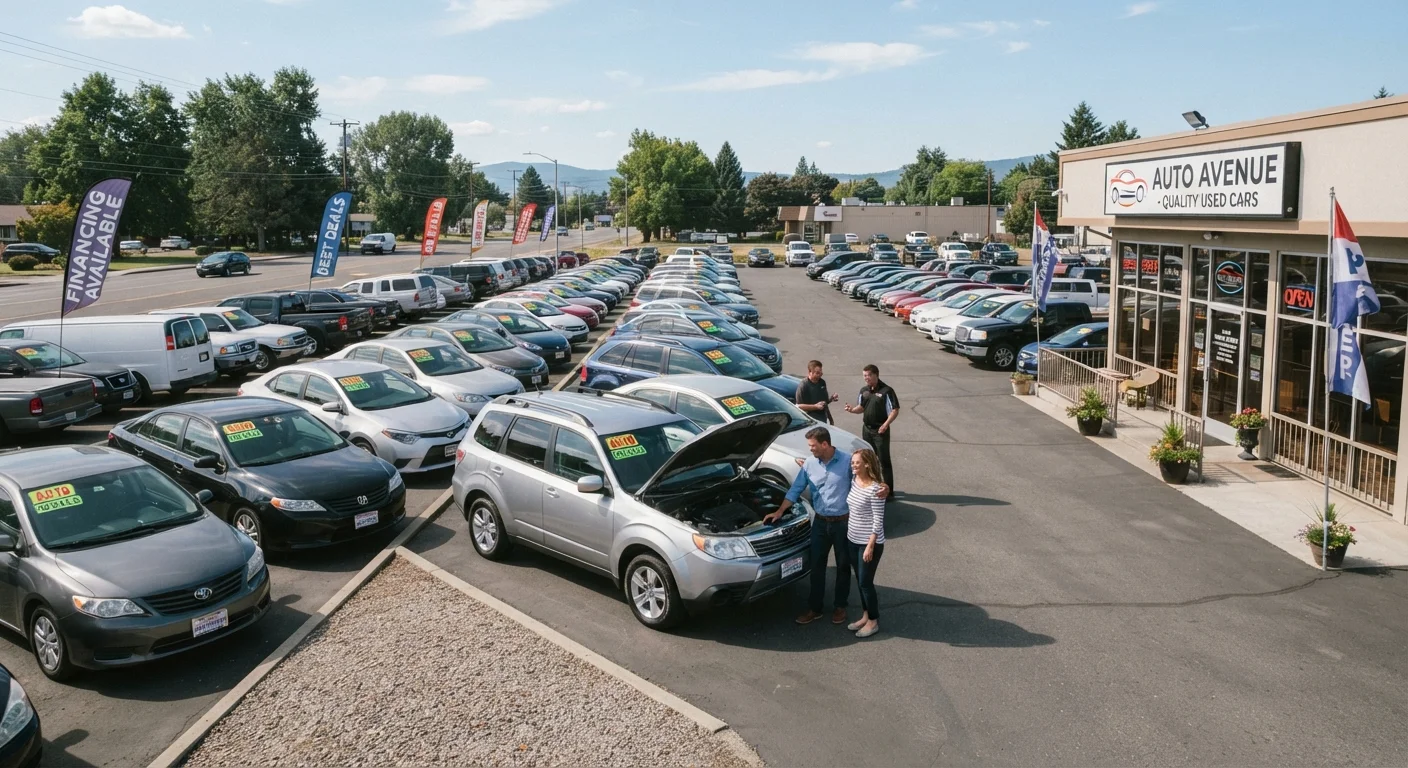
What to Expect Before You Start Negotiating
Walking into a used car dealership without a roadmap can feel overwhelming — especially if your last purchase was many years ago. The good news is that most dealership visits follow a fairly predictable sequence, and knowing what's coming at each stage puts you firmly in control.
The steps below cover everything from initial browsing through final paperwork. Before diving in, make sure you've covered the basics:
What you will need
If you want to go deeper on the inspection process before your visit, our guide to inspecting used cars covers the key checks and red flags to keep in mind.
Do your homework before arriving
Before setting foot on the lot, look up fair market values for the type of vehicle you want using publicly available pricing guides. Note the typical price range for your region and the mileage bracket you're considering. This gives you a confident reference point throughout the visit.
Walk the lot and browse vehicles
When you arrive, a salesperson will typically greet you within a few minutes. It's fine to say you're still looking and would like a few moments to browse. Take your time walking the lot, noting window stickers (the price, mileage, and year listed on each car). You are not committing to anything at this stage.
Request the vehicle history report
Once a specific car interests you, ask the dealership for its vehicle history report (commonly produced by services like Carfax or AutoCheck). This document shows past ownership, accident records, odometer readings, and service history. Reputable dealerships routinely provide this at no charge.
Take the vehicle for a test drive
A test drive is essential. Bring your driver's license and ask to drive a route that includes both city speeds and a brief stretch of highway if possible. Pay attention to how the car accelerates, brakes, and steers. Listen for unusual sounds. Note whether all controls — mirrors, windows, climate, audio — work as expected.
Arrange an independent pre-purchase inspection
Before agreeing on a price, ask to have the vehicle inspected by an independent mechanic of your choosing — not one affiliated with the dealership. A qualified mechanic can identify mechanical issues, wear patterns, and potential repair costs that aren't visible to an untrained eye. Most dealerships will allow this; if one refuses, treat that as a serious caution. See our plain-language inspection guide for what to bring and what to look for.
Negotiate the price
With the inspection results in hand, you're in a much stronger position to discuss price. Focus the conversation on the out-the-door price (the total you'll pay including taxes and fees), not just the monthly payment. If the inspection revealed any issues, those findings are legitimate grounds to ask for a price reduction or repairs before purchase. For a deeper look at this stage, our complete negotiation walkthrough covers the process from start to finish.
Visit the finance and insurance (F&I) office
Once a price is agreed, you'll be directed to a finance and insurance manager to complete the paperwork. This person may offer add-ons such as extended warranties, paint protection, or gap insurance. Each add-on carries an additional cost. Review every item carefully, ask for the price of each in writing, and feel free to decline anything you don't want or need. Read every document fully before signing.
After the Steps: Staying Confident Through the Final Stretch
The finance office stage is where many buyers feel caught off guard. Add-ons are presented quickly, paperwork is thick, and there can be subtle pressure to keep the process moving. Slow down. Ask for anything you don't understand to be explained in plain language, and never sign a document you haven't read fully.
You Can Always Walk Away
No deposit, verbal agreement, or social pressure obligates you to finalize a purchase on the same day. Taking 24 hours to review the numbers and the paperwork at home is entirely reasonable. A dealership that respects your business will not penalize you for doing so.
If this is your first time negotiating in a long time, our article on car negotiation for returning buyers is a practical starting point. You can also explore the broader negotiating a deal hub for tips on staying confident at any point in the process.
Watch Out for Fee Creep
Dealerships may add documentation fees, dealer prep fees, or other charges that weren't part of the negotiated price. Always ask for a complete written breakdown of every fee before you sign. In many states, some of these fees are negotiable or can be reduced — it's fair to ask.
Taking time, asking questions, and being willing to walk away are not signs of indecision — they are the habits of a careful buyer. The right vehicle at a fair price will still be a good deal tomorrow.
This article provides general educational information about the used car buying process and is not personalized financial, legal, or purchasing advice. Pricing, fees, and dealership practices vary by region and individual circumstances. Consult qualified professionals for decisions specific to your situation.
The content on this site is for informational purposes only and is not a substitute for professional advice. Always consult a qualified professional for guidance specific to your situation.