

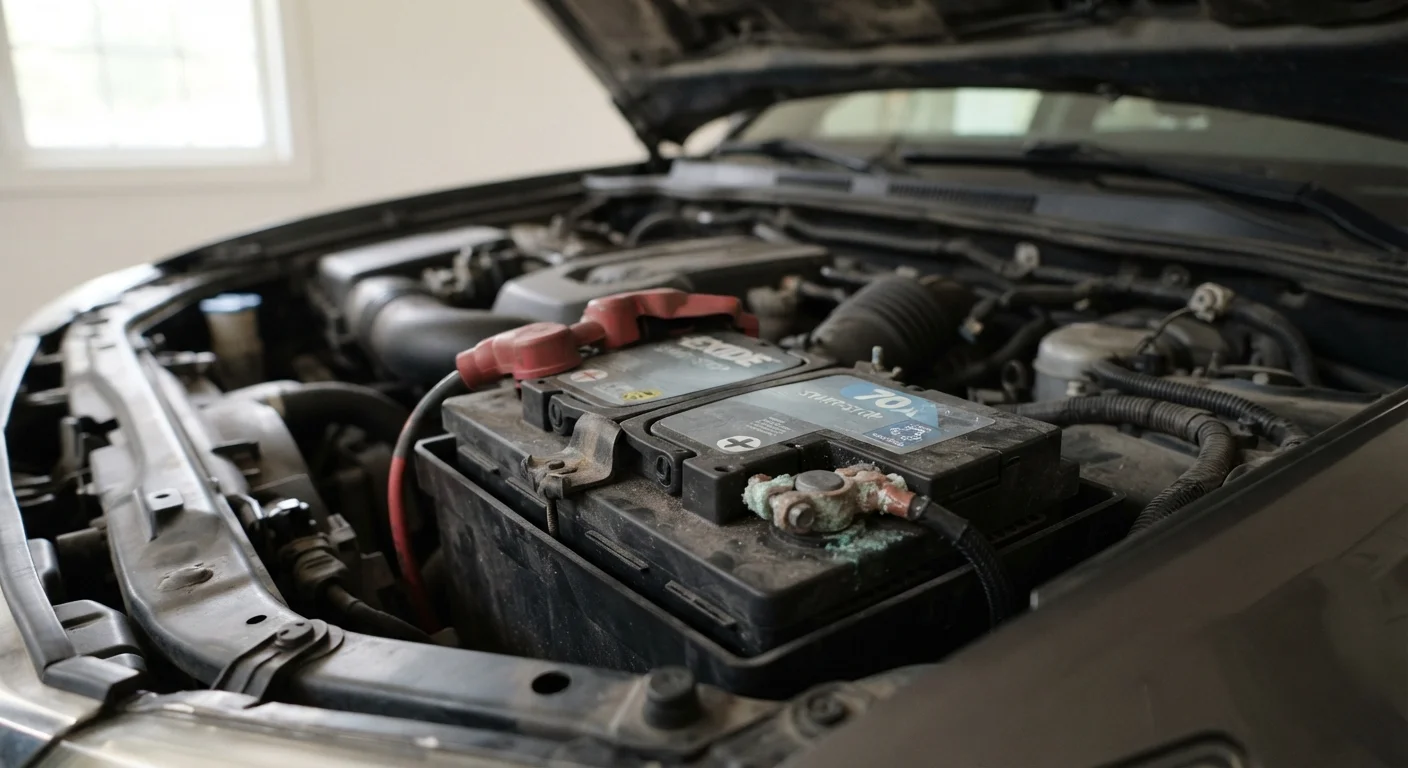
Why Battery Warnings Are Easy to Miss
Car batteries fail gradually in most cases, not all at once. The problem is that the early signs are easy to explain away — a slow start on a cold morning, lights that seem slightly less bright than usual, or a radio that resets after a drive. Each event seems minor in isolation, but together they form a recognizable pattern worth paying attention to.
For drivers who use their car less frequently — common among many retirees — batteries face an additional challenge. A battery that sits without regular use loses charge over time and can deteriorate faster than one that is driven daily. Short trips that don't fully recharge the battery compound this issue. Understanding what to watch for gives you the advantage of acting early, before a dead battery leaves you stranded in a parking lot or driveway.
Common Mistakes That Leave Drivers Unprepared
Most battery failures that catch drivers off guard are preceded by warning signs that went unaddressed. The mistakes below are among the most frequent — and the most avoidable.
Ignoring slow or sluggish engine cranking as a seasonal inconvenience.
Why it happens: Cold weather naturally makes starting feel harder, so drivers often attribute sluggishness to temperature rather than a weakening battery.
Overlooking dimming headlights or interior lights as a minor electrical quirk.
Why it happens: Lighting changes can be subtle and easy to rationalize, especially if they only appear briefly at startup or when the heater is running.
Dismissing warning lights on the dashboard related to the charging system.
Why it happens: Dashboard symbols can feel alarming or confusing, so some drivers delay addressing them hoping the light will disappear on its own.
Failing to inspect battery terminals for corrosion during routine checks.
Why it happens: Battery terminals are out of sight under the hood, and many drivers only open the hood when something is visibly wrong.
Assuming a battery is fine simply because the car started this morning.
Why it happens: Batteries can hold just enough charge to start a vehicle while still being well below healthy capacity, especially in mild temperatures.
Don't Ignore a Slow-Starting Engine
A sluggish or labored engine start is one of the most reliable early warnings that your battery is losing capacity. Many drivers dismiss it as a cold-morning quirk, but repeated slow cranking means the battery is struggling to deliver the power needed. Have the battery tested promptly — waiting risks being stranded at an inconvenient or even unsafe location.
Practical Steps to Stay Ahead of Battery Failure
Prevention is straightforward once you know what to look for. Build a simple habit of checking these things every few months:
- Listen to the starter motor. A healthy battery produces a crisp, quick crank when you turn the key. Any hesitation or groaning sound is worth investigating.
- Watch for electrical inconsistencies. Glitchy power windows, a clock that resets, or erratic radio behavior can all point to a battery struggling to maintain voltage.
- Ask about battery age. If you purchased a used vehicle, check whether the battery age is documented. The test drive red flags guide covers other easy-to-miss signs worth reviewing before or after purchase.
- Request a battery test at your next service visit. This takes just a few minutes and removes the guesswork entirely.
3–5 years
Typical car battery lifespan
According to automotive maintenance guidelines, most conventional lead-acid car batteries have a service life of three to five years under normal driving conditions.
~50%
Capacity loss in extreme cold
Battery capacity can drop by roughly half in very cold temperatures, which is why cold-weather sluggishness is a warning sign rather than a normal quirk.
If a replacement is needed, a qualified mechanic can fit the correct battery specification for your vehicle. Battery size and cold-cranking amp rating must match what the manufacturer specifies — your owner's manual lists this, or a mechanic can look it up for your make and model.
This article provides general vehicle maintenance information for educational purposes only. Always consult a qualified mechanic for diagnosis and repairs specific to your vehicle.
The content on this site is for informational purposes only and is not a substitute for professional advice. Always consult a qualified professional for guidance specific to your situation.