Latest Articles

6 benefits of buying a seized vehicle

6 benefits of buying a seized vehicle

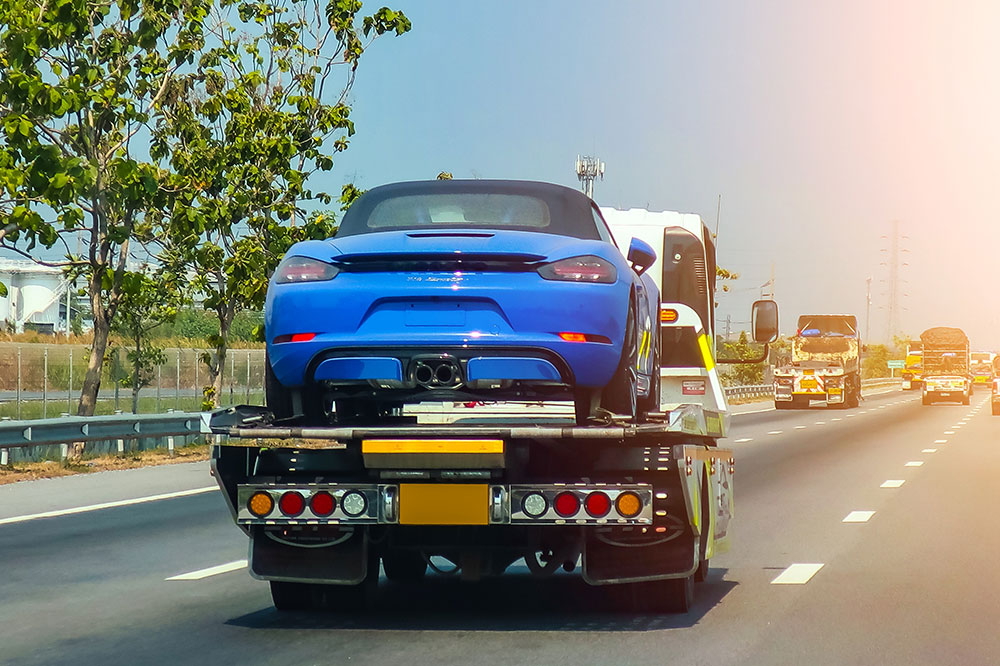
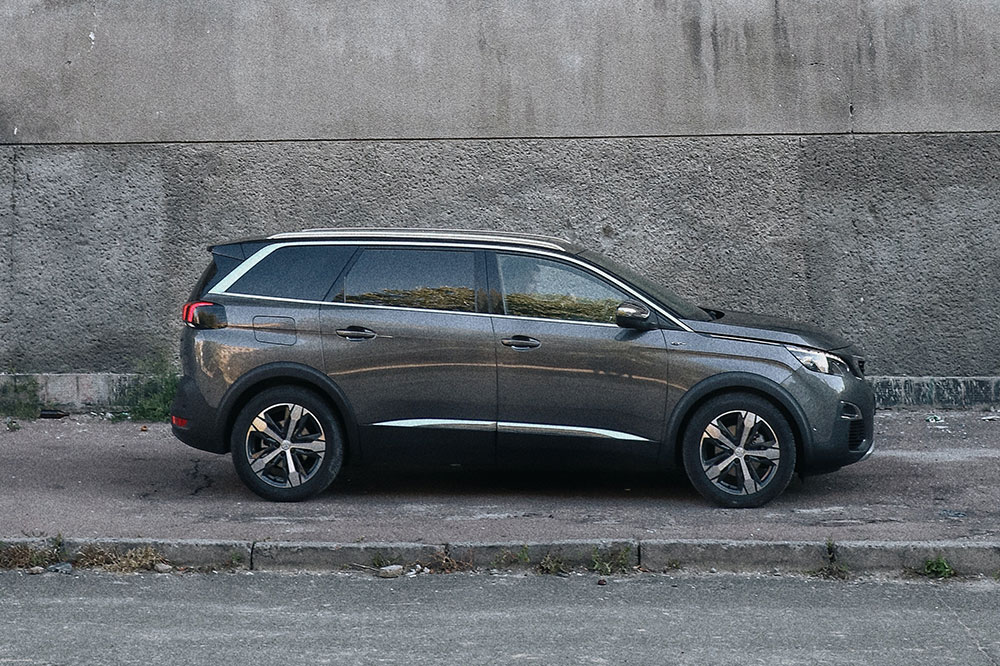
Buying your first or upgrading to a new or pre-owned vehicle is a fun yet complicated experience. However, do not overlook the possibility of buying a seized vehicle. These automobiles refer to trucks, cars, and other motor vehicles that have been taken possession of by financial institutions due to non-payment of loans. They may also be sold at auctions to recover the outstanding loan amount. Here are six benefits of buying a seized vehicle. Multiple buying options Financial institutions may seize a ton of vehicles each day. Therefore, you might be able to pick from a variety of vehicles across multiple segments. A few choices may include trucks, SUVs, sedans, and hatchbacks. Unique choices Since vehicle auctions may include a range of vehicles, you might stumble upon a rare or unique automobile that isn’t available through traditional channels. They may also range from basic to luxury models with the latest technology. So ensure you do your research before making the purchase. Good condition Most vehicles sold at an auction are usually at most 5 years old. Some vehicles are also in nearly new condition. You may find the best vehicle deals on fleet and government vehicles. These are well-maintained and serviced regularly.
5 common oil change mistakes to avoid

5 common oil change mistakes to avoid

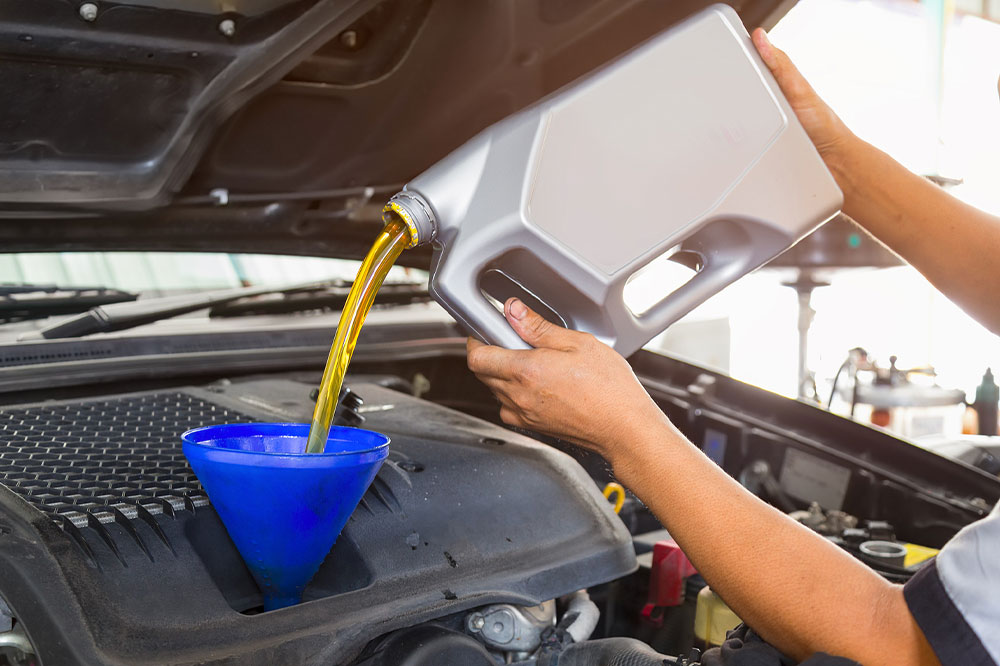
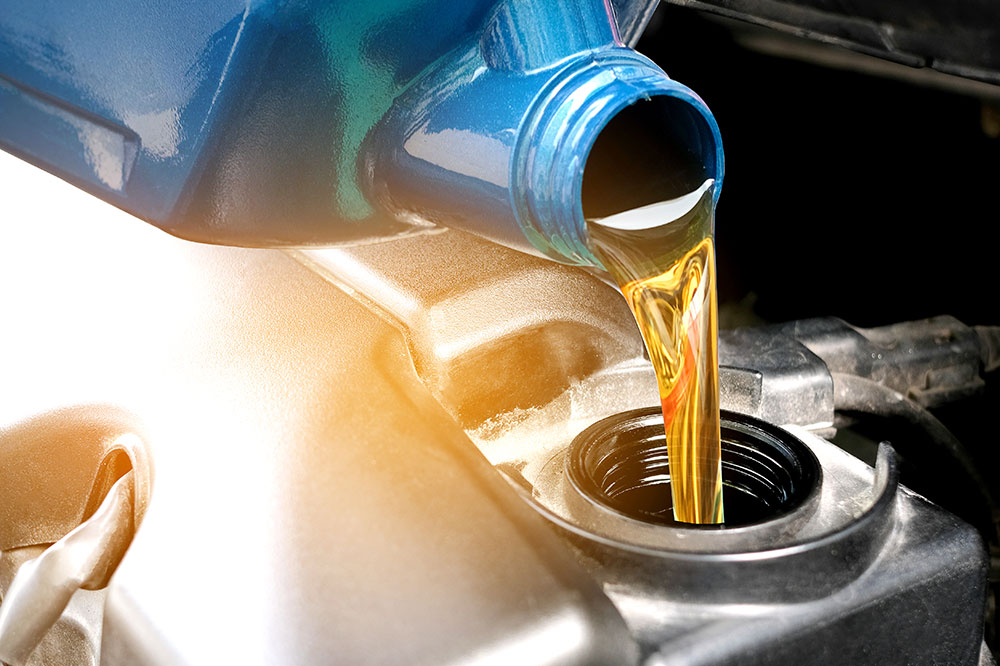
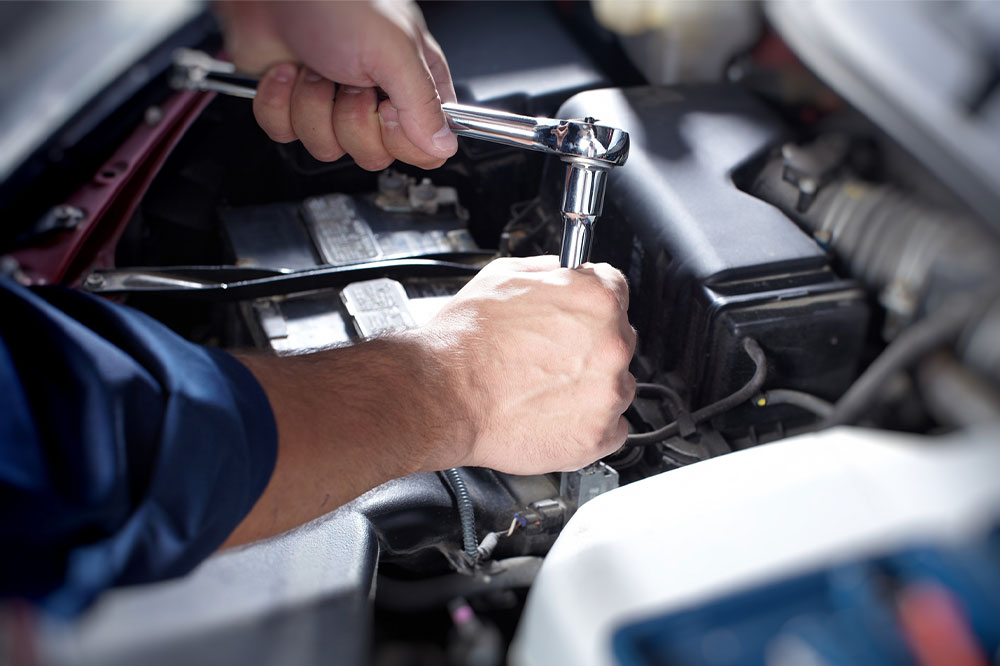
An oil change is a necessary maintenance task that should be done within a specified time limit to ensure the engine does not cease to work. Skipping this step only further increases the risk of engine problems that might cost thousands of dollars in repairs simply because of a lack of proper lubrication. If you prefer to change engine oil on your own, here are five critical mistakes to avoid next time. Not using the right type of oil Motor oils are classified into different blends depending on the type of vehicle and the driving conditions in which they are used. Synthetic oil is more suitable for extreme weather changes. It has better viscosity and resistance to oxidation. High-mileage oils help improve fuel efficiency and lower emissions, whereas conventional oil is the cheapest of all variants used in most motor vehicles. Not maintaining proper oil levels Underfilling or completely topping up the engine oil will only hamper engine performance. Learn to use an oil dipstick before running the engine. Overfilling can force the engine oil to fill up the gasket, leading to leaks. Not filling enough increases friction and can stall the pistons completely. Not replacing oil when its recommended If you drive an older model vehicle, it is recommended that you change the engine oil once every 3,000 miles.
4 ways to get the best price when selling a truck

4 ways to get the best price when selling a truck

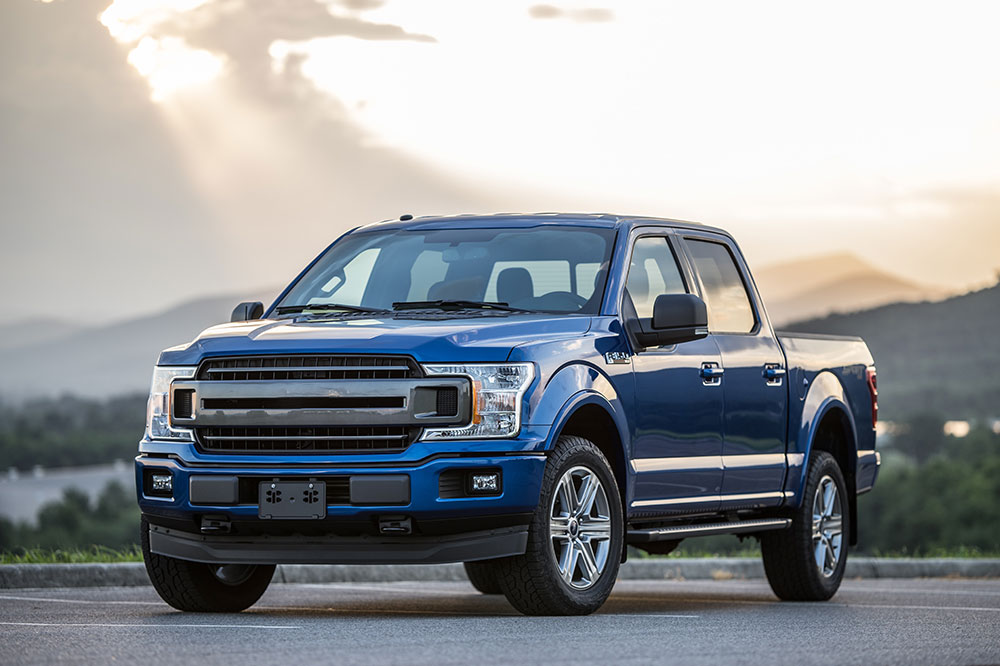
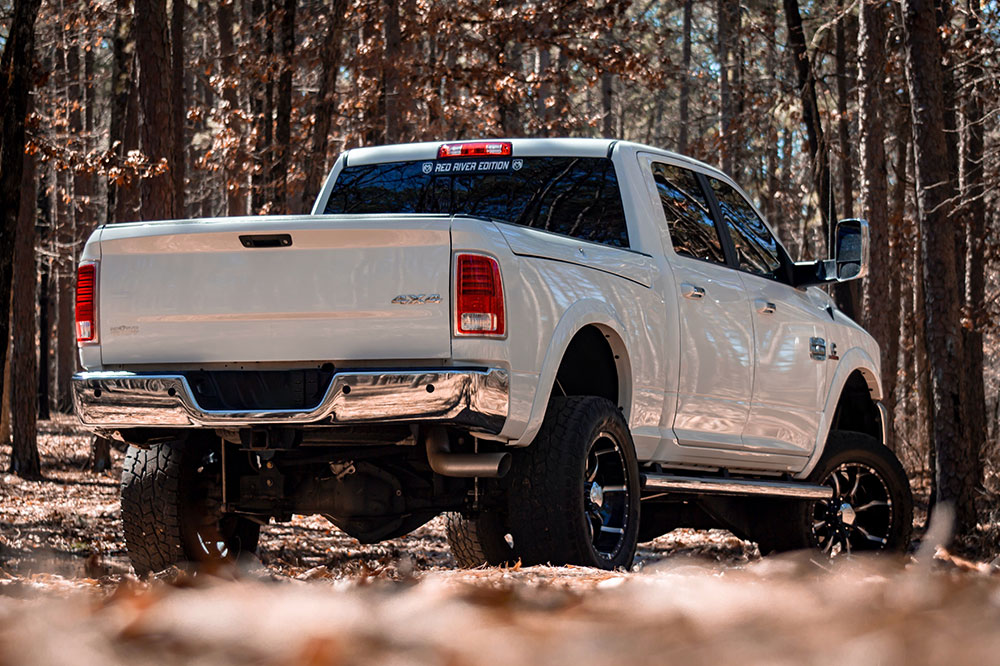
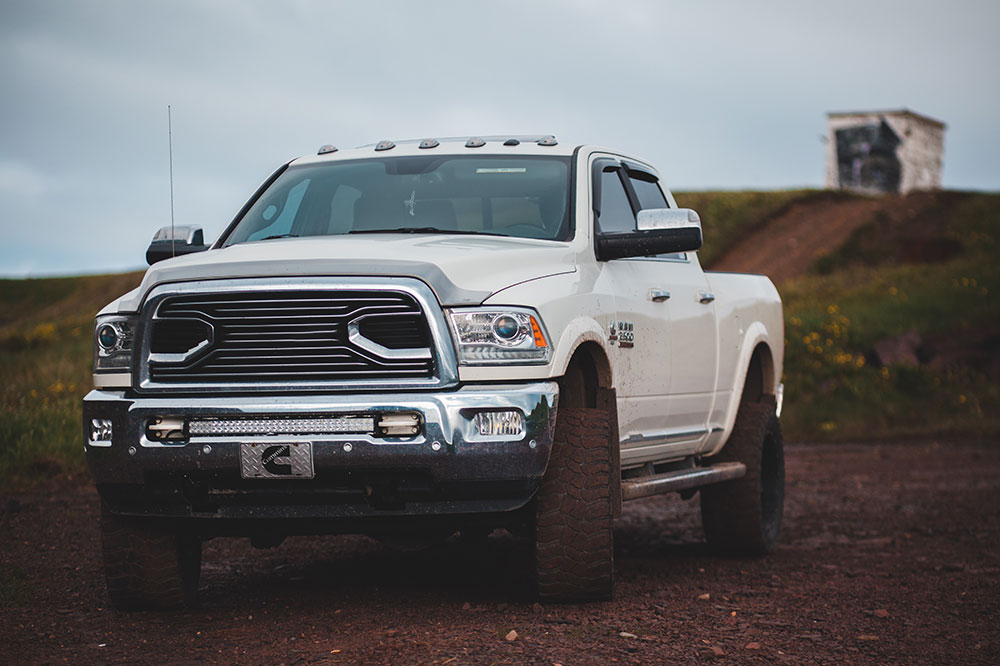
Planning to sell your truck but are confused about the asking price? Well, that is just one of the many factors that you need to consider before listing the vehicle for sale. With the auto market being saturated with preowned and unsold vehicles, paying attention to details can make all the difference if getting a good price for your truck. Here are a few ways to get the highest price for selling your truck: Negotiate with the buyer Don’t say yes to the first deal or offer by the buyer. Always wait and compare the market rates to find the best price for your truck. Being impatient will only make it more difficult to get a decent profit on the deal. Consider a private sale Dealerships can haggle aggressively, so you won’t get the best trade-in value for your truck. So, it is better to compare private-party deals as you will find a significant difference in the trade-in value and the private offer. Why should you miss out on that extra cash simply because you want to avoid the hassle of paperwork and documentation? So, consider organizing a private sale. Determine the true value Before you decide on a price point and sell your truck, you should get a professional appraisal to determine the value of the truck in its present working condition.
5 critical mistakes to avoid when driving an SUV

5 critical mistakes to avoid when driving an SUV

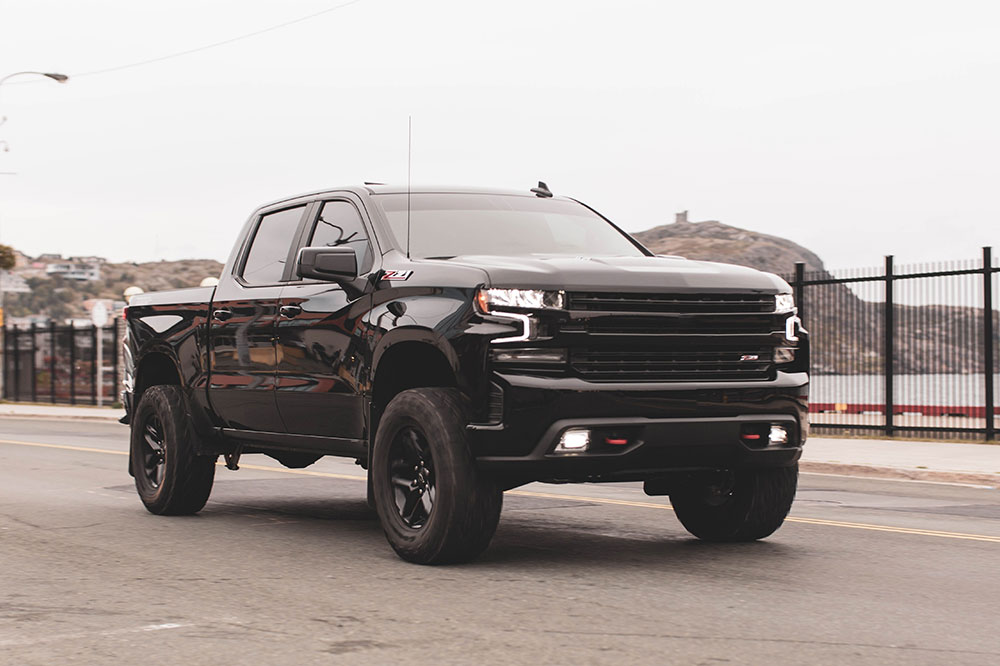
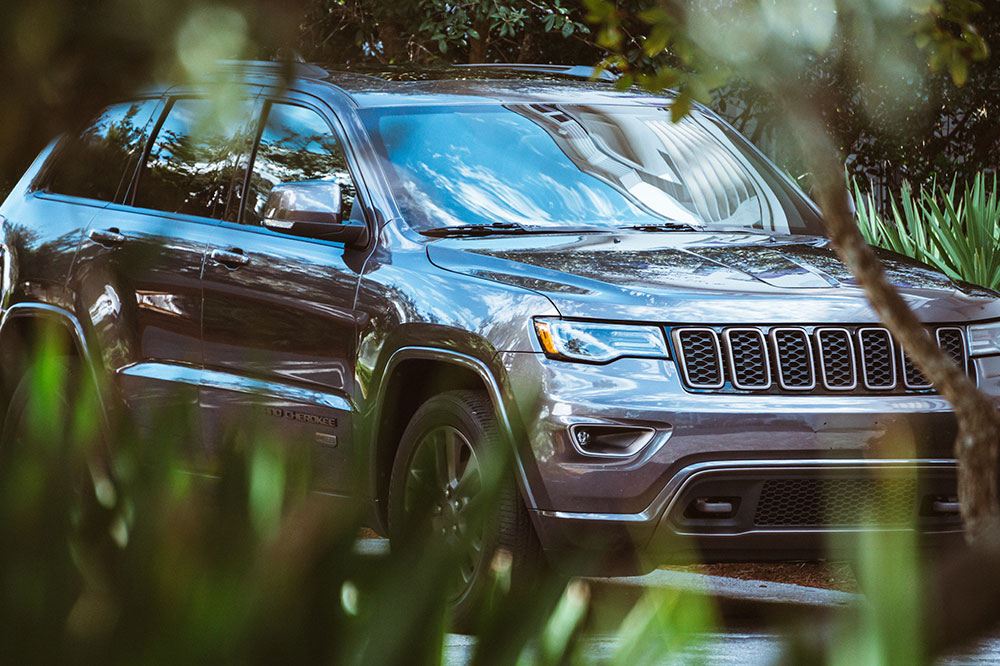
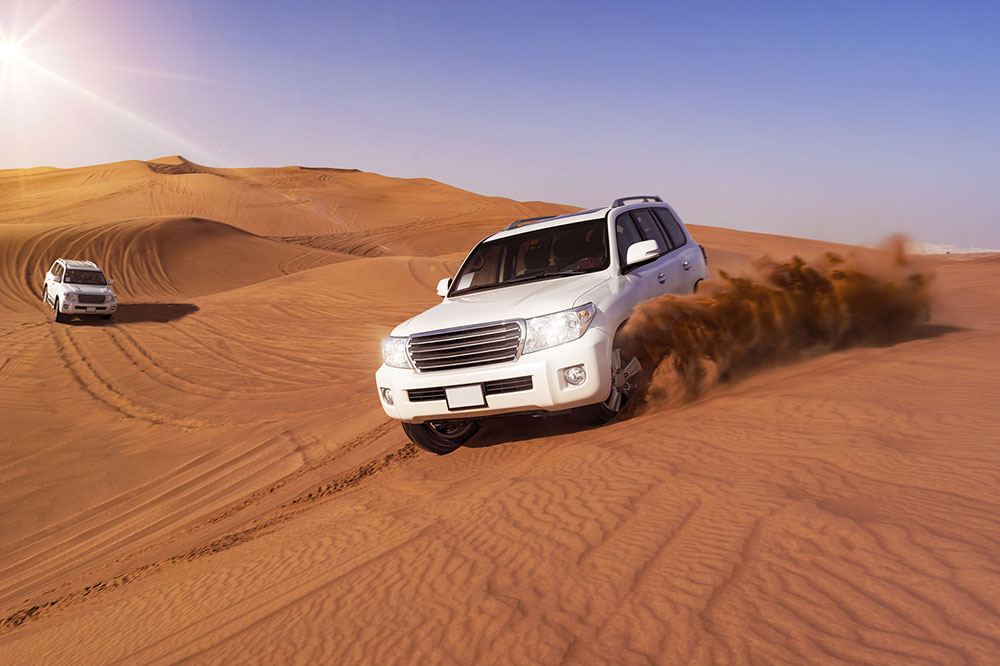
SUVs offer much more security and confidence than smaller cars, thanks to their robust build and powerful engines. However, they also come with challenges and considerations. Below are five common mistakes people make when driving an SUV that increase the risk of mishaps. Whether a seasoned SUV driver or a first-time owner, one must be aware of these potential pitfalls and avoid them for a safer and more enjoyable journey. Neglecting blind spots One of the biggest errors when driving an SUV is neglecting to check the blind spots well. Due to their magnificent size, SUVs have larger blind spots than smaller vehicles. Failing to perform thorough shoulder checks or utilizing mirrors can result in hazardous lane changes and potential accidents. To mitigate this risk, drivers should consistently check their blind spots before changing lanes or merging onto highways. Overestimating maneuverability Despite their enormous size, SUVs are not impervious to the laws of physics. A common mistake is overestimating the maneuverability of these vehicles, especially in tight spaces. Attempting sharp turns or parking in congested areas without sufficient clearance can lead to accidents and damages like scrapes and dents. Drivers should exercise caution and be patient when navigating confined spaces.

Popular ways to search for the right part-time job